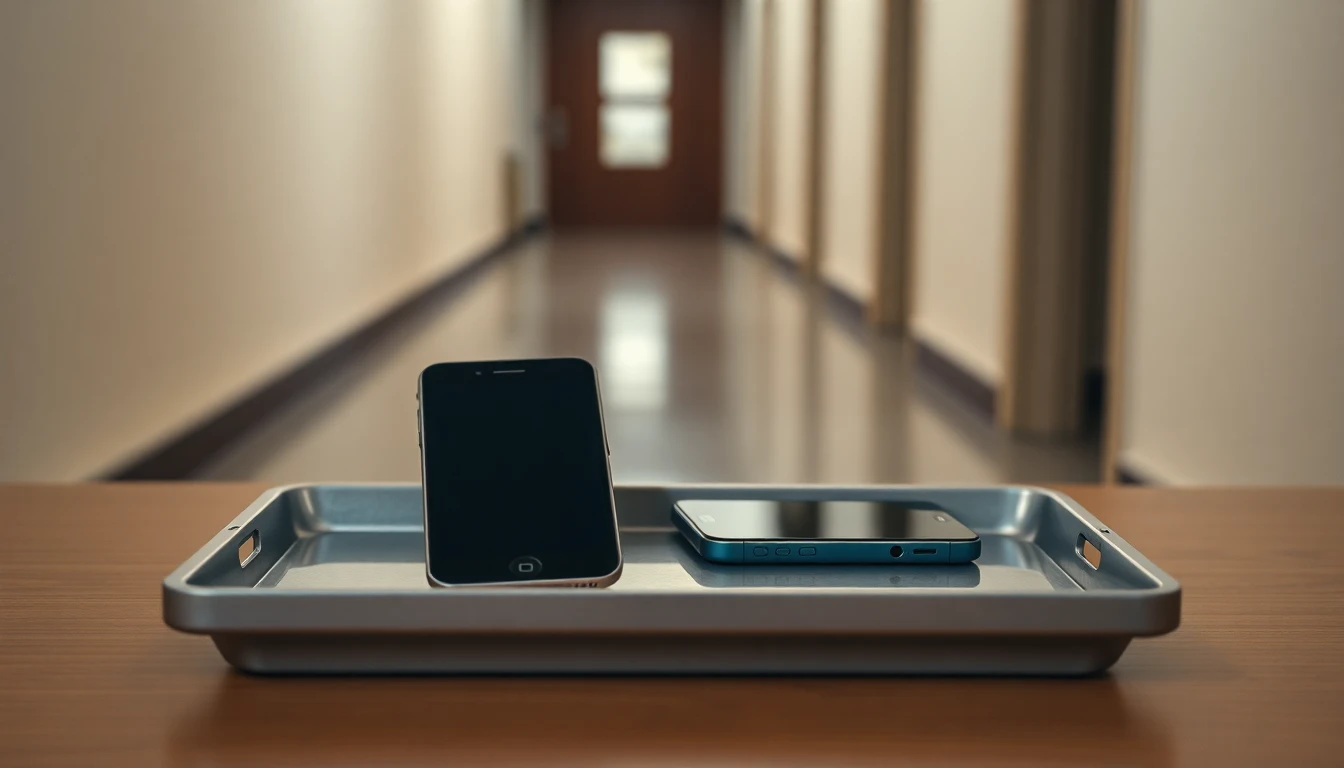
The Ministry of Justice conducted a security search in the early hours of Thursday at the Unidad Penitenciaria Industrial Esperanza (UPIE) and seized cell phones from the cells of Ramón González Daher and his son, Fernando González.
According to the agency, two devices were found with each inmate. The phones were allegedly used to carry out communications and operations from inside the prison facility.
The operation was carried out in the housing units of both inmates as part of prison security protocols and following intelligence work conducted by specialized agencies within the prison system.
The cell phones were confiscated and secured, and the procedure was documented according to current regulations. The Ministry of Justice stated it will forward all case records to the competent court and the Public Prosecutor's Office to investigate the circumstances and determine any legal responsibilities.
The Ministry also ordered the Directorate of Internal Affairs and Anti-Corruption to open an administrative investigation to clarify how the devices were brought in and possessed, as well as to examine any possible complicity or involvement of prison staff.
Ramón González Daher, former leader of the Paraguayan Football Association, is serving a 15-year sentence for serious usury, money laundering, and false testimony. His son, Fernando González, was sentenced to 5 years for money laundering. Both had previously been subject to a similar search in January 2025 at the Regional Penitentiary of Coronel Oviedo, where 10 cell phones, chargers, and bottles of alcoholic beverages were seized from their cells.
The UPIE is considered one of the country’s maximum-security detention centers and houses inmates classified as highly dangerous or significant within the national prison system.