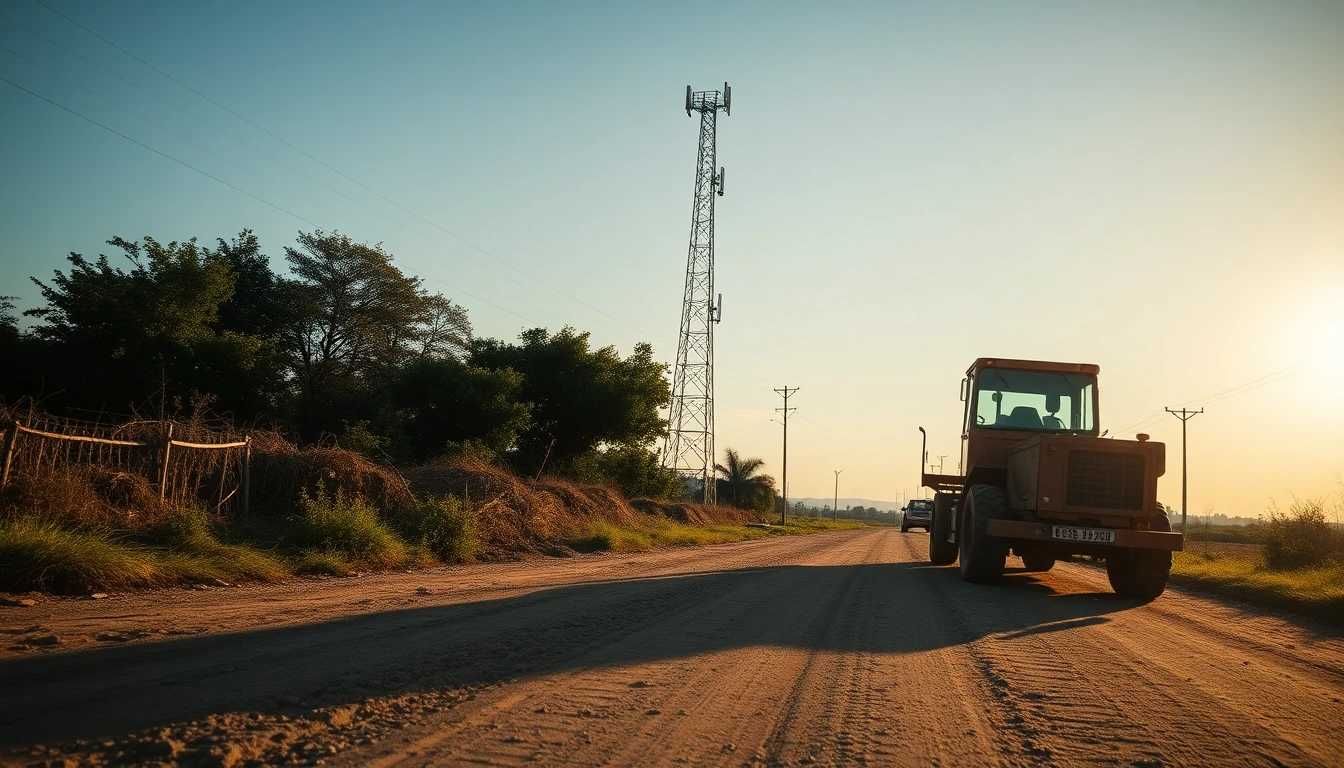
The Paraguayan Chamber of Deputies debates on Tuesday a loan project from the Inter-American Development Bank (IDB) to finance the Rural Connectivity Improvement Program, which may be delayed due to internal disagreements within the governing party faction Honor Colorado over resource distribution. The credit, already approved by the Senate, is intended for road works in seven departments: Alto Paraná, Canindeyú, San Pedro, Concepción, Itapúa, Caaguazú, and Caazapá.
The faction leader, Miguel Del Puerto, confirmed they are seeking an agreement and that if one is not reached, the project's consideration will be postponed for a week. The disagreements revolve around equitable allocation of resources among the departments. Del Puerto also attributed part of the tension to statements by Senator Silvio "Beto" Ovelar, one of the project's organizers, who last week criticized legislators for, in his opinion, mixing political disputes with Executive Branch projects.
Deputy Alejandro Aguilera denied that a potential postponement would be retaliation against Ovelar, stating that the issue is solely about equity in budget distribution. Chamber of Deputies President Raúl Latorre acknowledged the existence of disagreements within Honor Colorado but stated that dialogue will continue to try to resolve the differences.
In addition to the IDB loan, the Chamber of Deputies agenda includes reform of the National Police Modernization Law, which modifies requirements for career advancement in the police force. Also to be analyzed is the "Butterfly Code," which creates work leave for parental mourning in cases of gestational, perinatal, or neonatal loss, and a project proposing the elimination of the gratuitous pension system.
Meanwhile, the Senate is rapidly advancing the processing of a $286 million loan with the Japan International Cooperation Agency (JICA). The project, which will be voted on Tuesday, finances the second stage of the southern bioceanic corridor, a 154-kilometer work that will connect Yabebyry in Misiones to Pilar in Ñeembucú. Public Works Minister Claudia Centurión defended the project before senators, highlighting its strategic impact for road integration, agricultural production transport, and tourism development in the country's southern region.