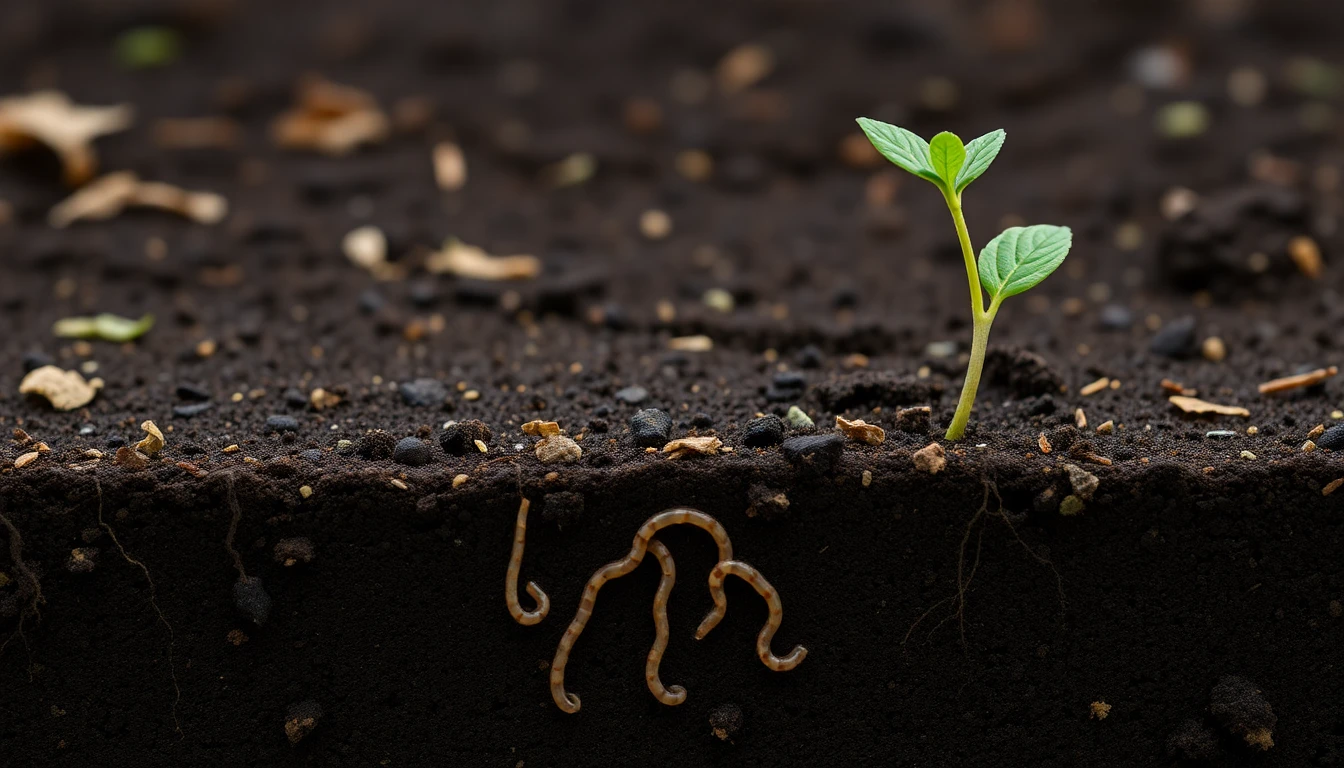
Research conducted in Paraguay on the long-term effects of agricultural management on soil health has been published in the international scientific journal Soil Systems. The study, titled "Legacy Effects of 32 Years of Tillage and Crop Diversification on Soil Biological Activity in Paraguay", was led by Paraguayan researcher Carlos Alcides Villalba Algarín.
The work, which was part of his master's studies, was carried out in a 32-year experiment at the Capitán Miranda Research Center in the Itapúa department. The research evaluated different production systems, such as conventional tillage, no-till planting, crop succession, and crop rotation.
The results demonstrated that conservationist systems, especially no-till seeding combined with rotation and greater crop diversification, significantly favor soil biological activity. This management resulted in an increase in enzymes linked to carbon, nitrogen, and phosphorus cycles, essential elements for soil functioning and nutrient recycling.
Villalba Algarín, who is also a member of the Paraguayan Institute of Agrarian Technology (IPTA), is currently pursuing a doctorate in Soils and Plant Nutrition at the University of São Paulo (USP) in Brazil, supported by the "Carlos Antonio López" scholarship program (BECAL) of the Ministry of Economy and Finance (MEF).
The researcher highlighted that the publication underscores the importance of training specialized human capital and cooperation between national and international institutions to generate scientific knowledge applied to Paraguay's reality. The article is available in open access and represents one of the first pieces of long-term evidence generated in the country on the impact of agricultural practices on soil biology.