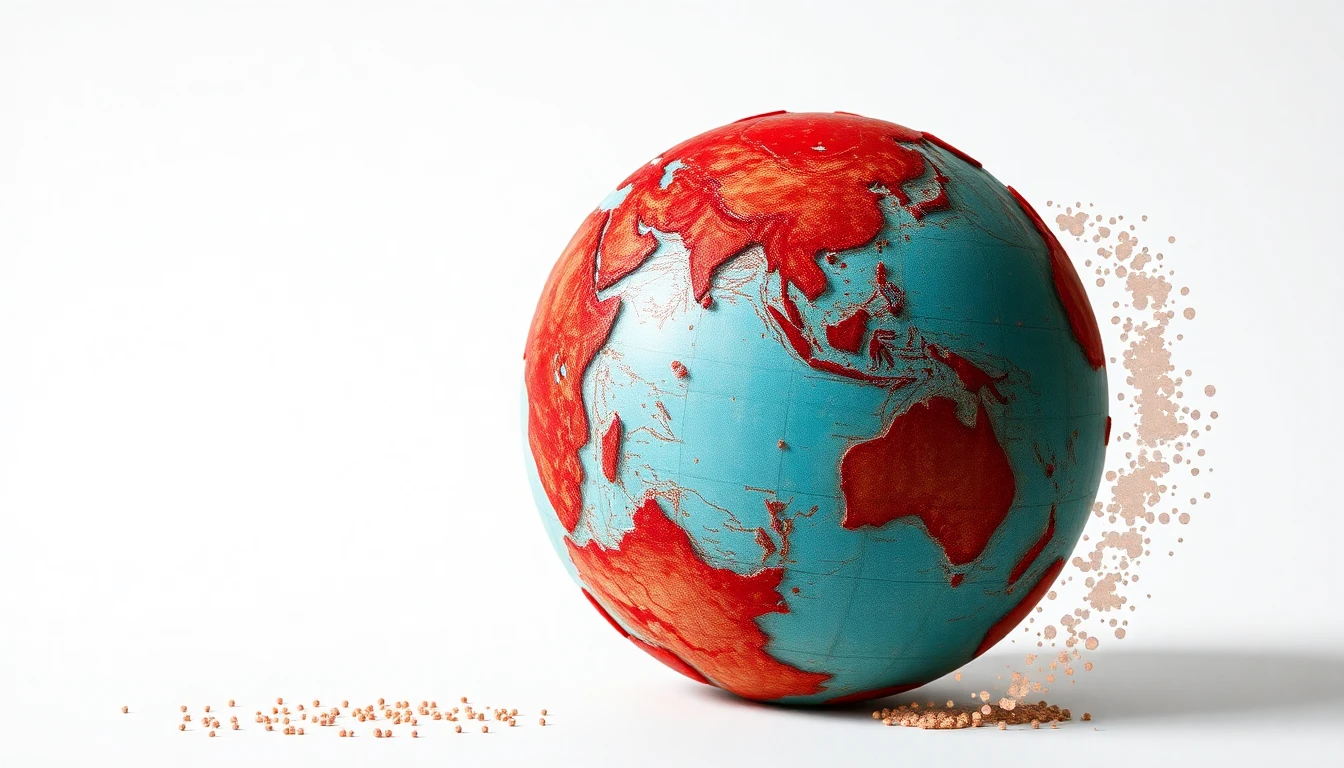
Approximately 30% of Paraguay's population suffers from some type of allergy, according to allergist Dr. Perla Alcaraz from the Hospital de Clínicas. The specialist warns that allergic diseases are becoming a new global "epidemic," with projections from the World Allergy Organization (WAO) indicating that up to half of the world's population could be affected by 2050.
Alcaraz, who is also an assistant professor at the Faculty of Medical Sciences, attributes this increase to a combination of environmental factors and changes in lifestyle. Air pollution, with particulate matter and ozone, makes pollen more allergenic and prolongs pollination periods. Furthermore, urbanization and the consumption of ultra-processed foods alter the gut microbiota and affect the immune system, triggering allergic responses.
Among the most common allergies in Paraguay are allergic rhinitis, which affects up to 40% of adolescents, urticaria (hives), which can affect 30% of the population at some point in their lives, and atopic dermatitis. Food allergies, allergic asthma, reactions to medications, insect stings, and severe cases of anaphylaxis are also frequent.
The doctor highlighted the need to strengthen resources in public health for the treatment of allergies. Many essential medications, such as immunotherapies and biological products, are not available in the public system or are inaccessible due to their high cost. At the Hospital de Clínicas, for example, immunotherapy is carried out through self-management, and programs to supply asthma inhalers are considered insufficient.