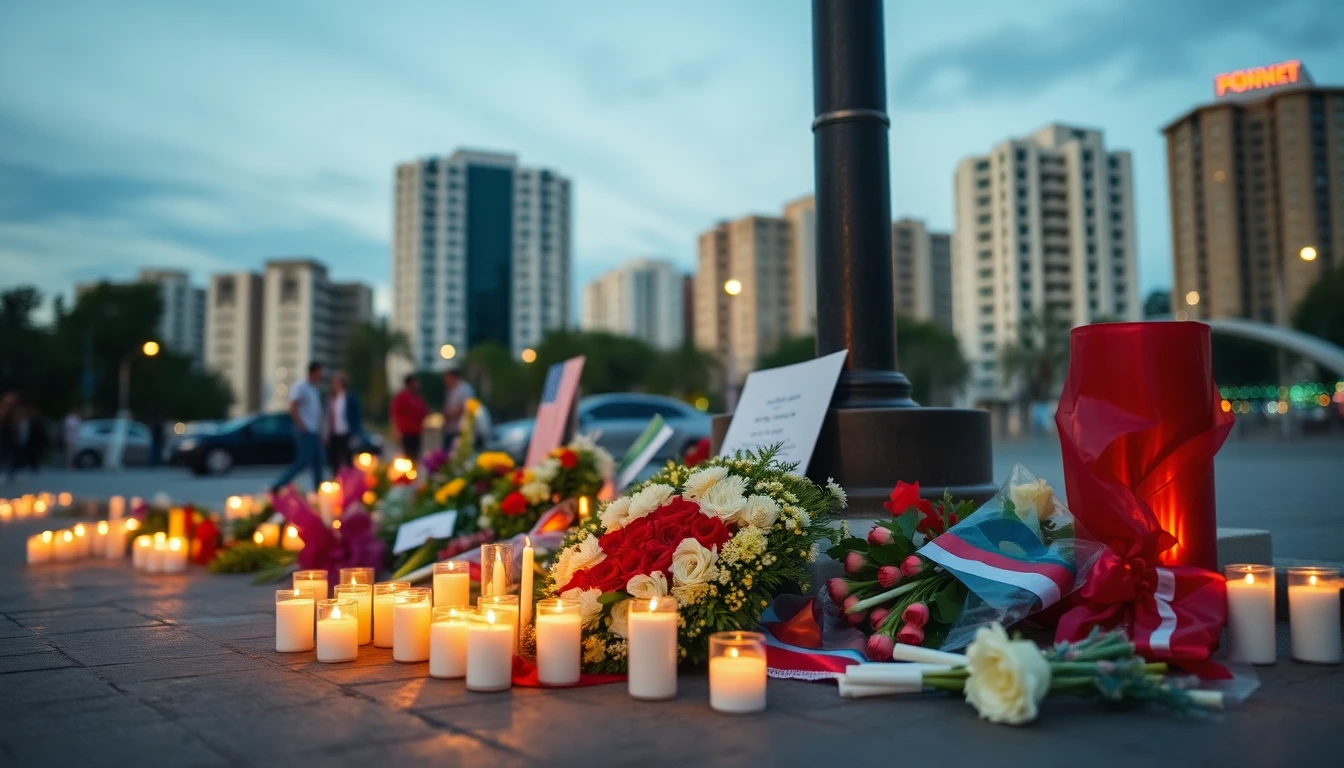
Twenty-two years after the fire at the Ycuá Bolaños supermarket, which killed more than 400 people on August 1, 2004, survivors and relatives transform pain into living memory and a continuing demand for social justice. The date is marked by tributes and a change in municipal assistance for victims.
The Asunción Municipal Council approved a proposal by councilman Arturo Almirón to modify Ordinance No. 34/11, replacing the delivery of food kits with a G. 700,000 subsidy for victims. Almirón argued that the kits did not meet real needs, arrived in poor condition, and the bidding process was bureaucratic and costly.
Commemorative activities at the Ycuá Bolaños Memory Site and Cultural Center 1A, whose name '1A' refers to the supermarket's original address on Avenida Artigas, included a nine-day prayer service that began on July 23. On the eve of the anniversary, July 31, the "Art of Memory" event was held, featuring a theatrical performance.
On the main day, August 1, the program began at 9 a.m. with artistic presentations by institutions such as the Cerro Corá Technical College and the National Police band, in conjunction with the General Directorate of Artistic Education of the Ministry of Education and Sciences (MEC). At noon, the most solemn moments took place, with the reading of a statement of gratitude, the sounding of a siren at 11:20 a.m. – the time the fire started – and an ecumenical service.
Christian Olmedo, a member of the Survivors and Victims' Families Coordinating Committee, emphasized that the purpose is to maintain the site as an active space of integration for new generations. "What caused this tragedy was that profit was placed above human life," Olmedo stated, criticizing the individualism that led to the disaster.
For survivors, justice remains a pending issue. Olmedo lamented that an initial bill, which aimed for comprehensive reparation including education and medical assistance, was lost due to lack of political will, becoming only compensation payments. The wound remains open for the families of the six victims whose remains were never identified. The physical and emotional toll on survivors, many of them elderly, also limits their participation throughout the year, concentrating their presence on the symbolic date of August 1.