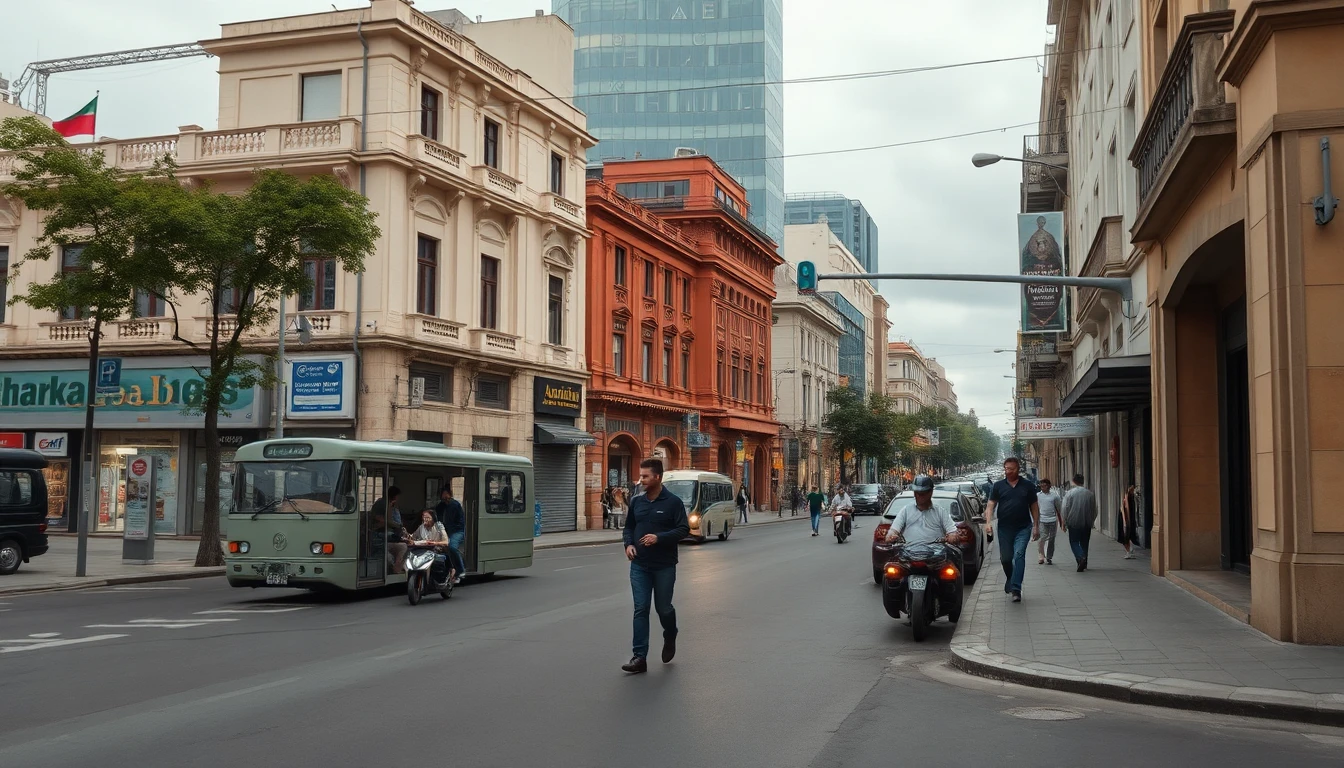
The Paraguayan capital remains mired in a fiscal and public service crisis spanning two municipal administrations. The multimillion-dollar debts left by former mayor Óscar "Nenecho" Rodríguez, from the Cartismo movement, weigh heavily on the current mayor Luis Bello’s administration, also from ANR-HC, with residents seeing no significant improvement in daily life.
The problems center on the stormwater drainage works, originally funded by the G8 bond, a G. 360 billion issuance approved in 2022 to serve eight city basins. However, the funds were diverted for other purposes during Rodríguez’s term—according to the municipal intervention led by Carlos Pereira in 2025, more than G. 500 billion was irregularly redirected. In July 2024, the Prosecutor’s Office even raided the Municipalidad de Asunción to seize documents related to the case.
With the bond funds already committed, Bello’s administration is now paying contractors from the municipality’s current municipal revenue. Opposition councilor Álvaro Grau estimates the final cost to taxpayers will triple: “Citizens will pay three times as much because they will have to cover the interest, repay the bond principal, and pay for the work again separately.” According to him, from an original total of G. 800 billion, Asunción residents will end up paying about G. 1.6 trillion.
So far, G. 20 billion of current municipal revenue has been used to settle services on three ongoing construction fronts—in the San Pablo, Santo Domingo, and Manorá neighborhoods. The other basins planned in the original scheme—Ayala Velázquez, Terminal, and Universidad Católica—were left without funding. About 69.7% of the G8 bond amount is tied up in these four projects, all at varying stages of progress.
The Municipalidad’s total liability from bond issuances (G5 to G9) reaches G. 817.5 billion in principal and G. 645.6 billion in long-term interest, totaling around G. 1.4 trillion—approximately USD 240 million—to be paid by 2035. Additionally, the municipality has already accumulated 14 overdue interest installments, amounting to G. 145.4 billion.
On a daily basis, residents face deficient services: potholed streets that cause accidents, inconsistent garbage collection, chaotic traffic, and neglect of areas such as the historic city center, the bus terminal, and municipal markets. In neighborhoods where drainage works are underway, residents describe a “war-zone” scenario, fearing the projects will become yet another unfinished project, like the Metrobús.