More than a year after Luis Bello took over as mayor of Asunción, the Paraguayan capital continues to face urban-service problems, debt and corruption allegations inherited from or associated with the administration of Óscar “Nenecho” Rodríguez. The intervention at the Roadways Directorate, led by Óscar Pérez for nearly two months, has yet to produce a visible change in the streets, while the main officials identified in the allegations remain unpunished.
The case known as “Mafia del asfalto,” documented by ABC Color, investigates the alleged use of municipal employees, machinery, trucks, fuel and asphalt mix on a private project. Councilor Pablo Callizo reported the daily diversion of 80 to 140 tons of asphalt and about 1,200 liters of fuel. The administration opened disciplinary proceedings against 20 employees, including former director Nicolás Duarte, and the prosecutor’s office charged five people, four of them lower-ranking employees. So far, there have been no convictions of the main people involved.
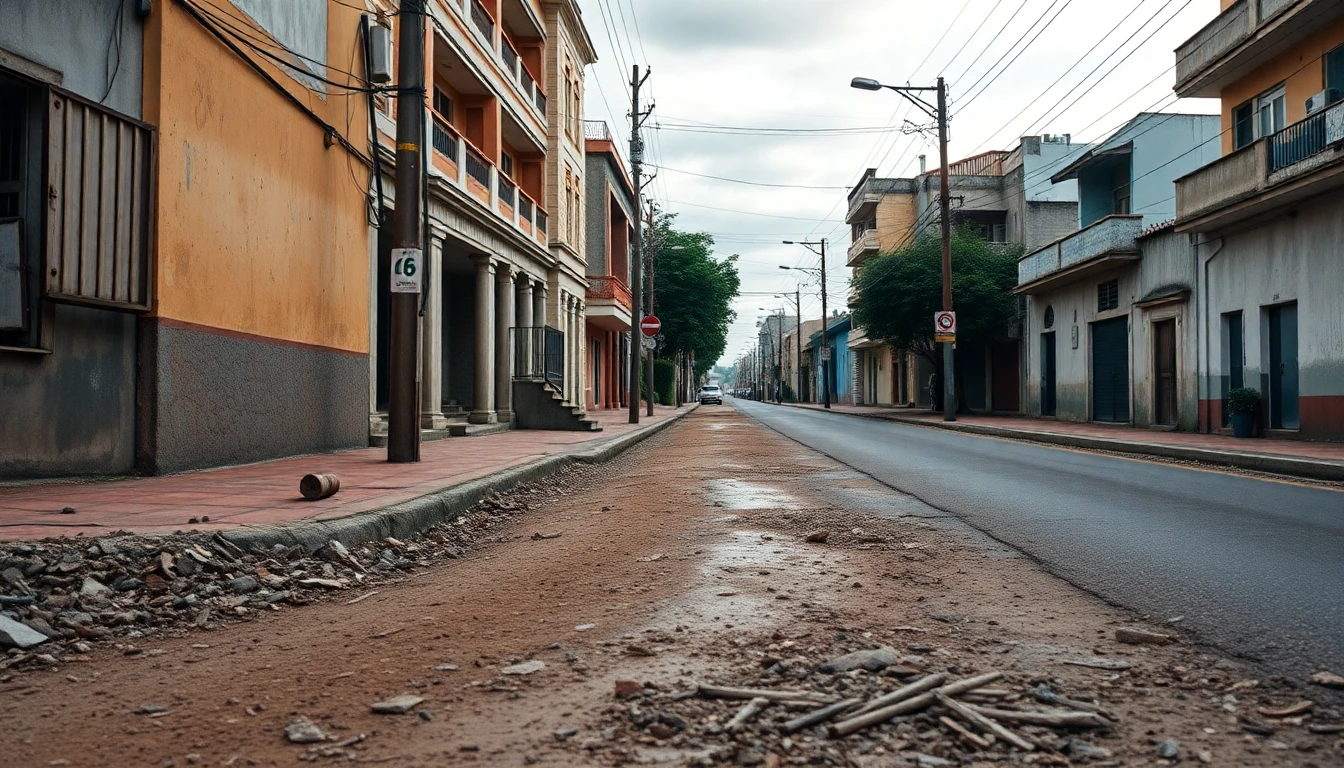
Garbage collection also remains irregular, despite the purchase of trucks and the continued rental of private vehicles. The Directorate of Urban Services has had five heads in less than a year. On the streets, residents continue to contend with potholes, dirt and paving problems.
Allegations of possible “parallel slush funds” date back to Rodríguez’s administration and earlier periods. Councilors and opposition candidates say coercive collection structures within municipal agencies diverted funds for proselytizing purposes, but these allegations still require investigation and have not resulted in convictions. The areas cited include the Municipal Inspection Police, headed by Constantino “Tino” Ayala; the Consumer Protection Directorate, headed by Carlos Morel Gadea; and the Municipal Traffic Police (PMT).
Johanna Ortega and councilor candidates Bruno Martínez and Maximiliano Seiferheld accused Consumer Protection employees of pressuring restaurants with threats of fines. Councilor Álvaro Grau said that infraction reports were “shelved.” Callizo linked the Roadways Directorate to the irregular use of municipal resources on private projects. The allegations are under investigation and are not judicially established facts.
The financial crisis includes US$22.2 million in overdue interest on municipal bonds, with debts from the administrations of Rodríguez and Mario Ferreiro. Bello has made partial payments, but there is still no global agreement approved by the Municipal Council. Complaints were filed with the Securities Superintendency of the Central Bank of Paraguay. The meeting convened by the securities house is expected to verify the disbursement of G. 41.101 billion promised by the city government and discuss the possible adoption of legal measures. The plan calls for deferring G. 181.048 billion until March 2027, with full repayment projected for 2035.
Stormwater drainage works under the G8 projects are also behind schedule. During Nenecho’s administration, G. 512.000 billion in bond proceeds was diverted from its intended purpose, according to the allegation cited in the report. Under Bello, the Santo Domingo, Abasto and San Pablo projects had reached only 35%, 46% and 59% completion, respectively, and had also exceeded their contractual deadlines.
In the municipal elections on October 4, Camilo Pérez is presented as the candidate of the Colorado Party, or National Republican Association (ANR), linked to Honor Colorado, an internal ANR movement led by former President Horacio Cartes. Although he uses a rhetoric of change, his candidacy represents the continuation of the Cartes-aligned model at Asunción City Hall. The Colorado slate of councilor candidates reflects this bet on maintaining political control of the capital.