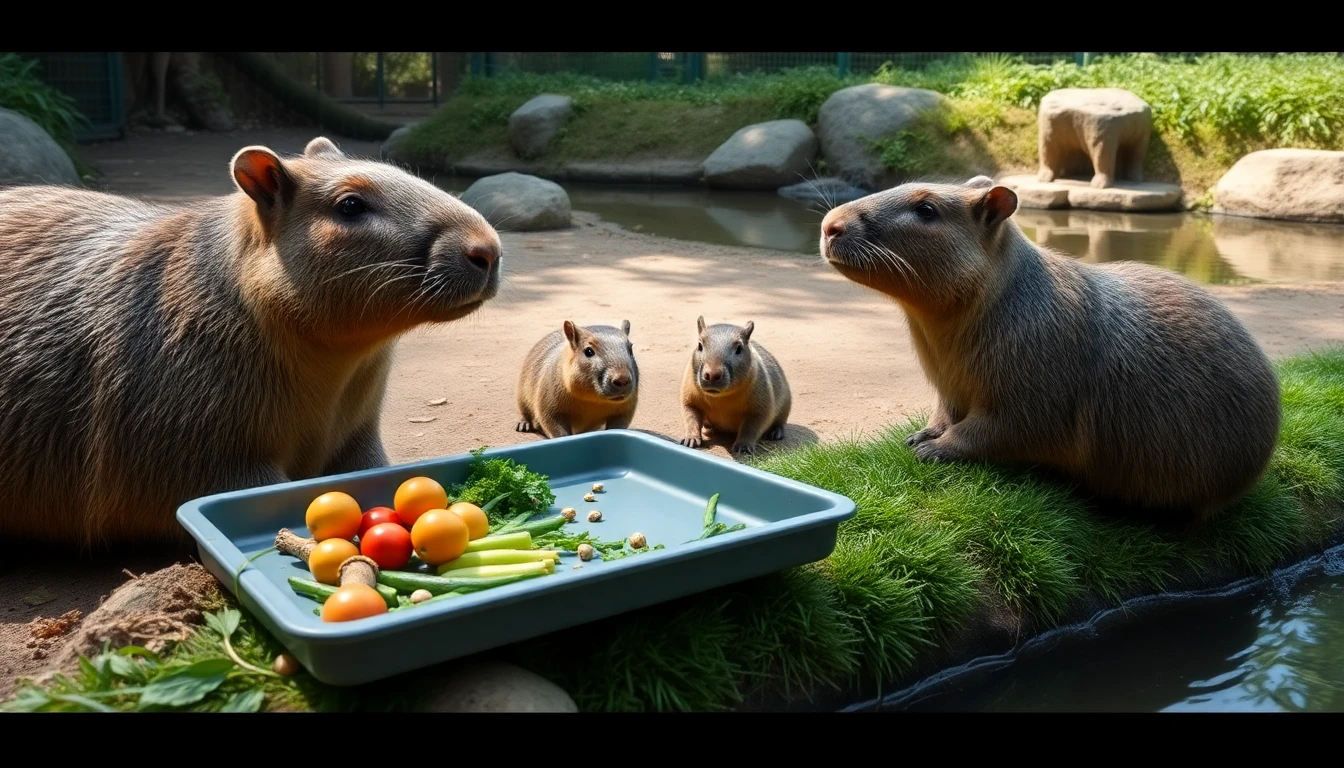
The capybara family at the Asunción Zoo has grown with the birth of three new pups on July 4, bringing the total number of the species bred in captivity at the site to ten. This is the fourth litter born at the zoo since the initial group was established.
Veterinarian Estela Espínola, head of the zoo's Veterinary Area, explained that the newborns remain with their mother, initially feeding on maternal milk and gradually transitioning to solid foods. The diet provided by the institution includes alfalfa, grass, seasonal fruits, and vegetables such as squash and other greens.
Espínola highlighted that the pups are monitored 24 hours a day by teams working in three shifts. "They have been doing very well since they were born. They are observed and controlled; the veterinary area permanently checks, first, if the mother accepts and feeds them well, and if the others do not harm them. These care practices are maintained after birth, then they adapt easily to the herd and the other species they live with," she reported.
The zoo maintains a restriction on direct contact between the animals and visitors, a measure aimed at protecting the capybaras' welfare. The veterinarian explained that the decision seeks to prevent the animals from receiving inappropriate food and to reduce stress situations associated with human interaction. "We do not want them to be sociable because previously, when there was no gate, people would enter and hurt them with sticks to make them obey, and would give them improper food," she commented.
Espínola mentioned that up to two litters of capybaras can be born at the zoo in a year. The institution already has plans to relocate the animals if the population continues to grow, including an additional space with a pond to transfer the older specimens and avoid inbreeding problems. The species' life expectancy is about ten years, and it is currently classified as of "least concern" in terms of conservation.