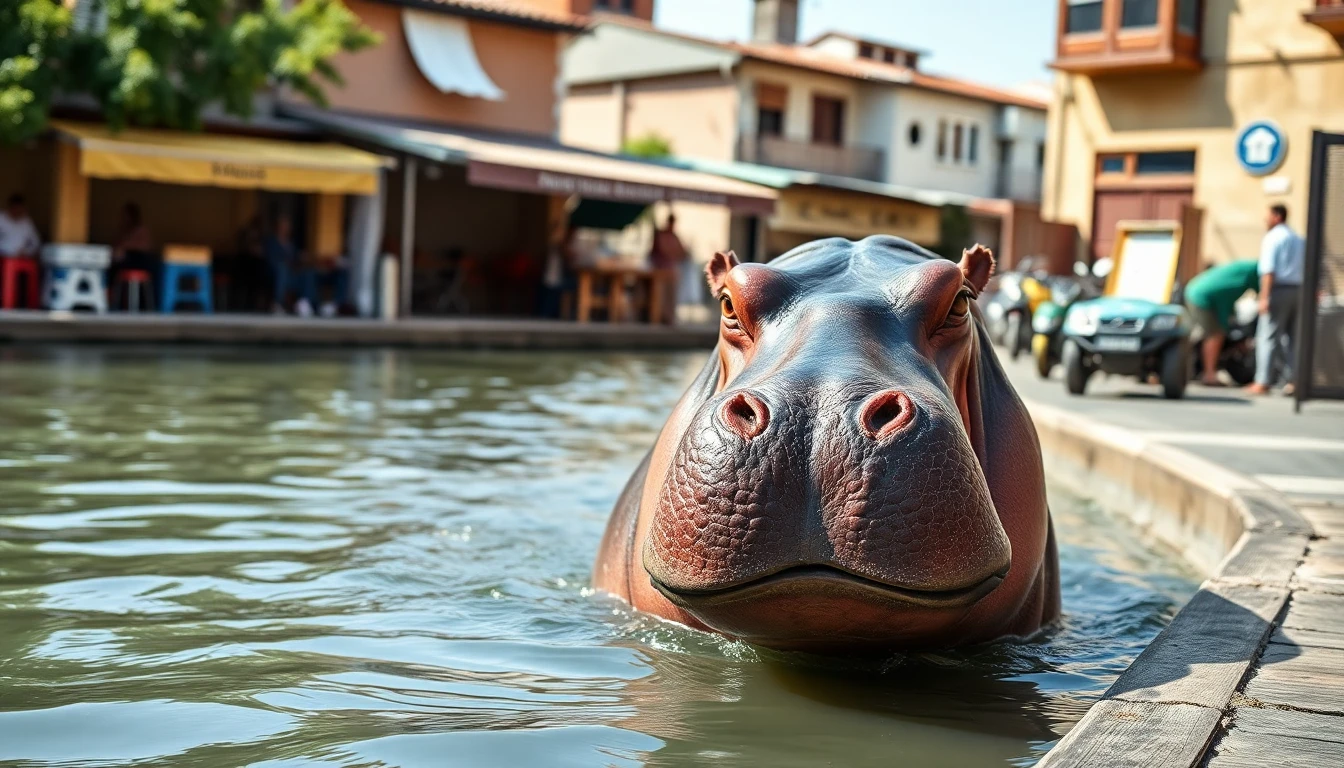
Yuyito turns 40 in October, and the occasion will be marked with a simple celebration. The birthday also highlights a practical consequence of the hippo’s advanced age: staff adapt his diet and conduct regular checkups to monitor his health.
Weighing about three tonnes, Yuyito spends 18 to 20 hours a day submerged in the pool. He mainly comes out to eat and sometimes sunbathes on cold days. Veterinarian Stella Espínola says the team checks his mouth and teeth and looks for possible injuries as part of routine care. The animal has never had an illness, but he once suffered an injury near his eye after a visitor threw a stone at him.
His diet includes alfalfa, grass, leafy greens, seasonal fruit—such as bananas, apples and watermelon—and squash. The food is cut into pieces to make chewing easier. Staff also plan to install sprinklers over the pool to cool the animals on hot days, while continuing to clean the tanks and feeders.
Yuyito is the oldest and largest of the three hippos living at the zoo. His siblings Hipólito and Rayito de Sol are 31 and 27, respectively. All three were born there to Yasy and Kuarahy. Five hippos in total have been born at the Asunción Zoo: one was transferred to a zoo in Argentina, and another died a few years ago; its remains are in the museum.
The veterinarian describes Yuyito as docile during examinations: he lets staff open his mouth and touch his gums, a procedure that is more difficult with the other two. She says the celebration is intended to draw attention to animal care, not to encourage captivity. Since Yuyito has grown accustomed to the place, releasing him would leave him unable to find food on his own.
Espínola asked visitors not to shout, run, throw objects or cross the safety barriers. The request is especially relevant given the history of aggression toward the animal: visitors can help by reducing noise and avoiding behavior that could hurt him.