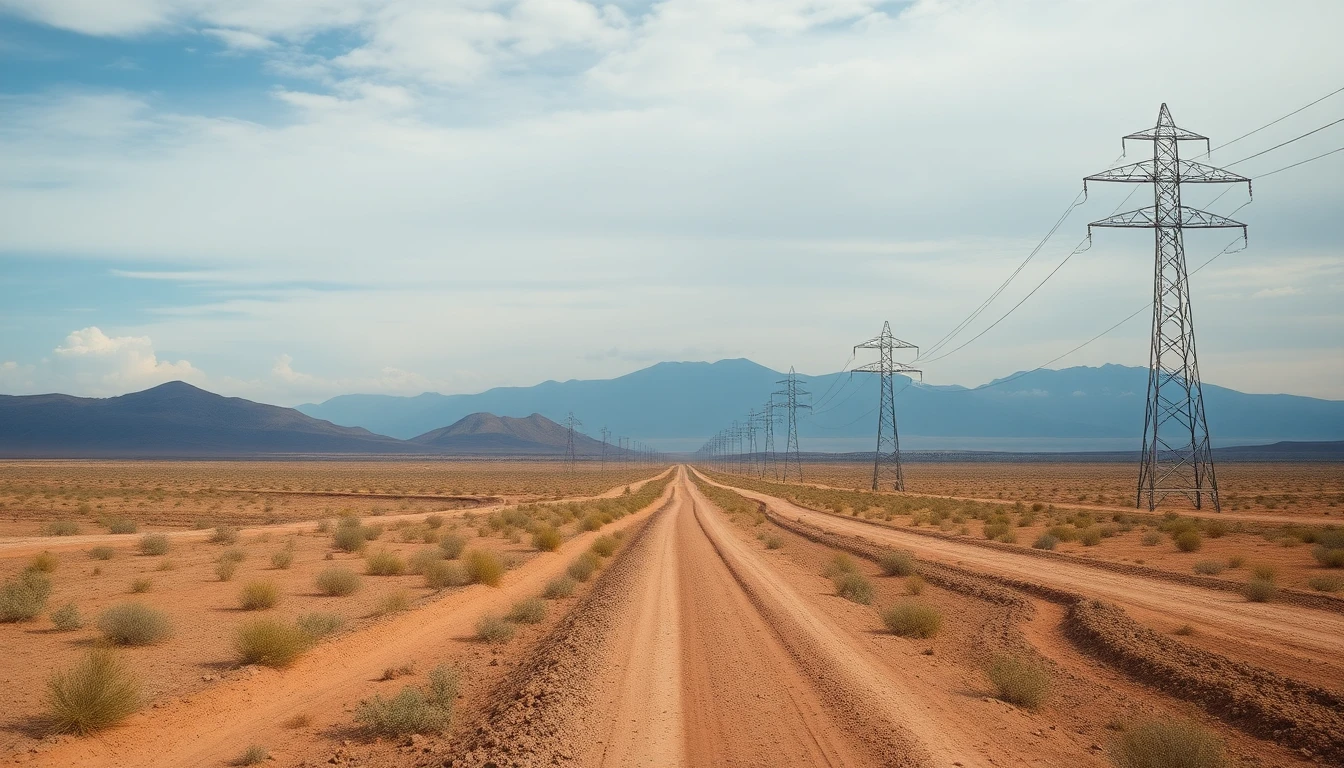
The infrastructure needed to turn the Paraguayan Chaco into an industrial hub includes energy, drinking water, sanitation and urban services, as well as roads. Paul Sarubbi, president of the Paraguayan Road Chamber (Cavialpa), says the country has a four-to-five-year window to launch electricity transmission, distribution and generation projects before facing supply constraints.
The warning is tied to the Bioceanic Corridor, a route that will connect the Atlantic and Pacific oceans through Brazil, Paraguay, Argentina and Chile. Sarubbi says the infrastructure should serve more than freight traffic: the goal is to create conditions for industries and processing plants that add value to agricultural and livestock production within Paraguay.
Strategic locations he cited include Carmelo Peralta, Loma Plata, Filadelfia, Mariscal Estigarribia and Pozo Hondo. Energy availability is one obstacle, as generation projects take more than a year to get off the ground. “If someone wants to increase available capacity, they need to start working today,” Sarubbi said.
The Cavialpa president also called for integrated planning for energy, waterways, roads, bridges, water supply and sanitation. According to figures he cited, Paraguay has an accumulated infrastructure deficit of US$30 billion. With public investment of US$1 billion a year, it would take about 30 years to close that gap.
Sarubbi also cited a McKinsey study that proposes raising infrastructure investment to 4.5% of gross domestic product (GDP), equivalent to approximately US$2 billion to US$2.2 billion a year. This target is a recommendation cited by Sarubbi, not an investment plan that has already been approved.
The discussion will be a topic at the Cavialpa Forum and Exhibition 2026, scheduled for October 20 at the Grand Theater of the Central Bank of Paraguay in Asunción. The event’s motto is “Infrastructure that transforms lives.”