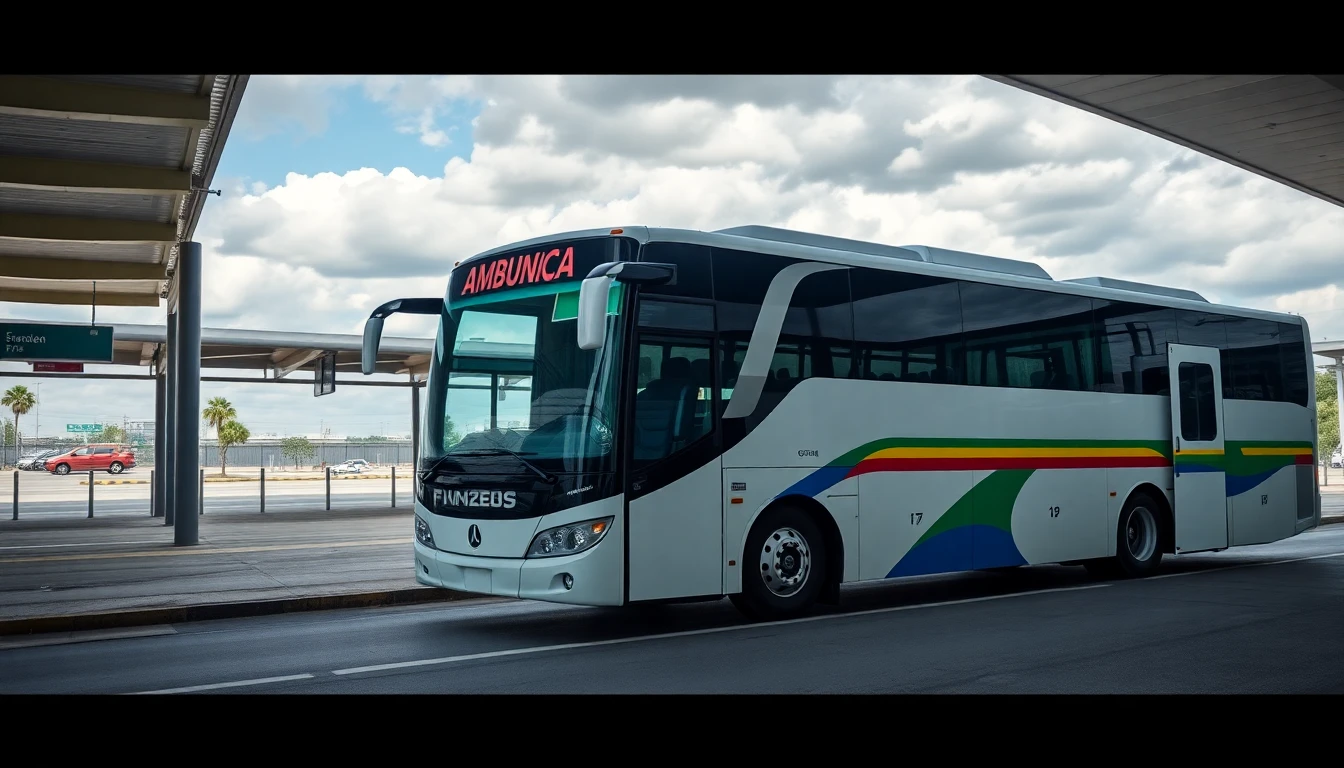
On international bus journeys through South America, traveler assistance can be decisive in medical emergencies, border delays, missed connections and baggage problems. Because trips can last many hours or even days, passengers should check the coverage terms before boarding.
Routes between Paraguay, Argentina, Brazil, Bolivia and Uruguay often include stops in intermediate cities, rural stretches, different terminals and, in some cases, connections operated by separate companies. This setup increases the possibility of unexpected problems far from hospitals or urban centers with specialized care.
The first point is to check whether the assistance is valid in every country crossed by the bus, rather than only at the final destination. It is also important to confirm whether the contract covers medical transport from remote roads and terminals, including cases in which the passenger must be taken to a health facility outside the main route.
Waits at immigration and customs controls can extend the journey by several hours, especially on holidays and during busier periods. The delay itself does not constitute a medical emergency, but it should be considered when planning the policy’s validity period and subsequent connections.
Another risk arises when a delay causes the traveler to miss the next bus. Depending on the contracted terms, assistance may provide guidance on reorganizing the itinerary, but this is not automatic. Passengers should check in advance whether support is available for route changes, accommodation or an unexpected stay in an intermediate city.
Baggage transport also requires attention. On journeys with several connections, checked bags may be handled by different companies, increasing the risk of loss or damage. Compensation limits, required documents and procedures for reporting an incident should be known before departure.
On stretches without mobile-phone coverage, it is advisable to keep support numbers and policy details written down or printed, in addition to storing them on the phone. This measure prevents a lack of internet access from blocking contact in an urgent situation.
The generally lower price of a bus compared with a plane does not eliminate the need for planning. Before crossing the border, travelers should confirm the territorial coverage, support channels, rules for medical transport, conditions for delays and connections, and how baggage is handled. These precautions reduce the need to improvise on a road, at a terminal or at a border crossing.