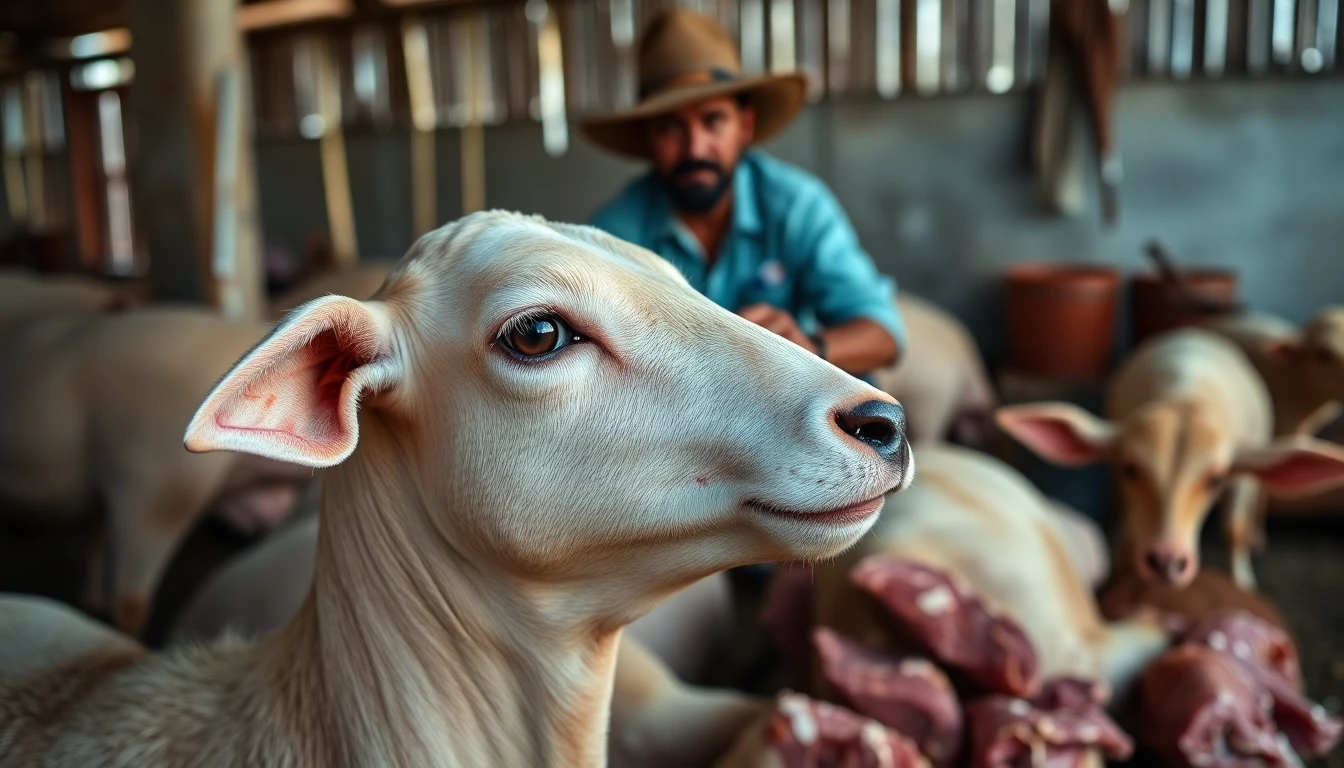
The dollar fell to about G. 5,890 for sale in Paraguay on September 24, a rate close to the level recorded at the end of 2018. The decline renewed concern at the Paraguayan Rural Association (ARP), which estimates that the guaraní’s appreciation reduced the value of livestock production by G. 2.06 trillion—about US$349 million.
Figures vary by market and reference time. On September 23, the retail market rate was reported at G. 5,800 to buy and G. 5,900 to sell. Meanwhile, records from the Central Bank of Paraguay (BCP), the country’s monetary authority, showed G. 5,924.25 at the interbank market close that day and G. 5,908.50 in an hourly reading. The following day, the selling rate reached about G. 5,890, according to market data.
The BCP’s historical series shows the scale of the decline: the dollar reached a monthly average of G. 8,006 in April 2025, ended that year at G. 6,725 and stood at G. 5,975 in August 2026. The current rate is close to the monthly averages from September to December 2018, which ranged from G. 5,855 to G. 5,954. In September, the median of market participants’ exchange-rate expectations for the end of 2026 fell to G. 6,100; the forecast for October was G. 6,000.
For the ARP, exporters receive fewer guaraníes for each dollar earned from meat sales, while wages, fuel, services, infrastructure and inputs remain among their local costs. The association’s statement says this gap reduces profitability, discourages investment and limits herd recovery, just as Paraguayan meat finds opportunities in international markets.
The US$349 million estimate is the sector’s own assessment, not an independent measurement of the impact on the entire economy. The effect is also not the same for everyone: a weaker dollar can benefit consumers and businesses that buy imported products, fuel or inputs, while putting pressure on those that earn revenue in foreign currency and pay some costs in guaraníes.
The BCP considers exchange-rate fluctuations part of how the market works and prioritizes price stability. The debate, therefore, centers on the distributional effects of the guaraní’s appreciation: it lowers the local-currency value of export revenues but makes foreign purchases cheaper. For businesses and producers with costs in guaraníes, the exchange rate and the gap between revenue and local expenses can affect margins and investment decisions.