Paraguay's Social Security Institute (IPS) completed its first 100 days under the presidency of Isaías Fretes amid a scenario of severe financial and operational challenges. Fretes himself described the institution he inherited as disorganized and without funds, stating that his management prioritized closing "holes of corruption" and rescheduling tenders considered unnecessary.
Carlos Pereira, an advisor to the IPS presidency, issued a severe warning, stating that the institution is heading toward an "irreversible crisis" if structural reforms are not applied. He highlighted the severe mismatch between incoming contributions and long-term commitments to insured individuals and retirees, advocating for the need for financial re-engineering.
An analysis of the 220 resolutions from the Board of Directors in this period reveals that most of the activity was focused on managing existing processes, with 56 addendums to contracts for extending deadlines or values. Eleven new tenders were approved, while definitive awards totaled only eight. The IPS's total debt is 1.261 trillion guaranis, with 887 billion owed to banks and suppliers, and 2.33 trillion to pharmaceutical companies.
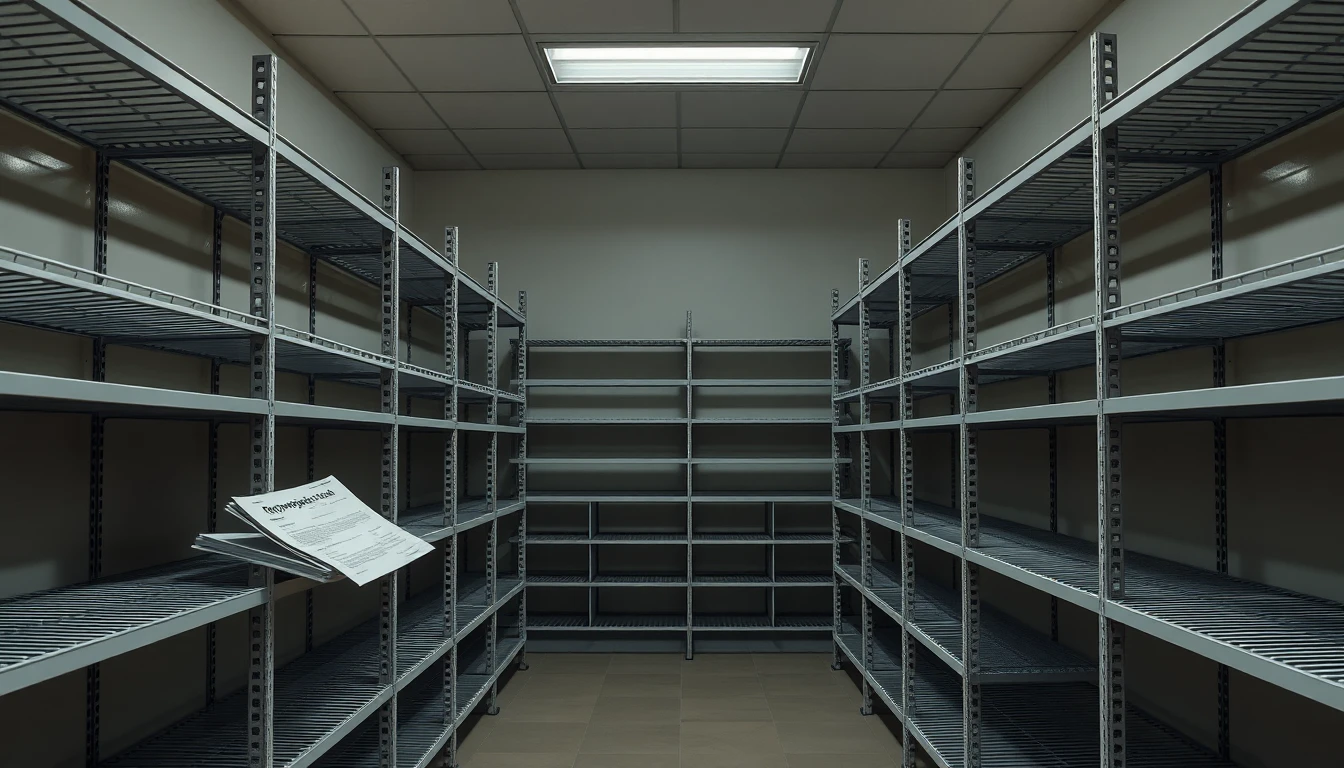
Fretes promised that within 15 to 22 days the "shelves will be full of medicine," an effort to combat the critical shortage of 215 products with zero stock. He attributed the ability to finance this purchase to a rescheduling of the debt with banks, which granted a six-month grace period, providing financial breathing room until February 2027.
Beyond the financial crisis, Fretes warned of a "perfect storm" caused by the law that reduces the working hours of health professionals without a salary cut. About 2,575 doctors have already benefited, which, according to him, has halved the number of on-call doctors in some hospitals. The situation is expected to worsen in September, when more professionals will be entitled to the benefit, threatening the coverage of essential services like emergency care.
Simultaneously, the IPS faces legal limitations for investing its resources, having exceeded the 55% limit for deposits in banks, reaching about 65%. The board awaits a position from the superintendency and is studying diversifying its investment portfolio. The management is also awaiting a report on the real state of the institute's 776 properties, valued at 1.97 trillion guaranis.