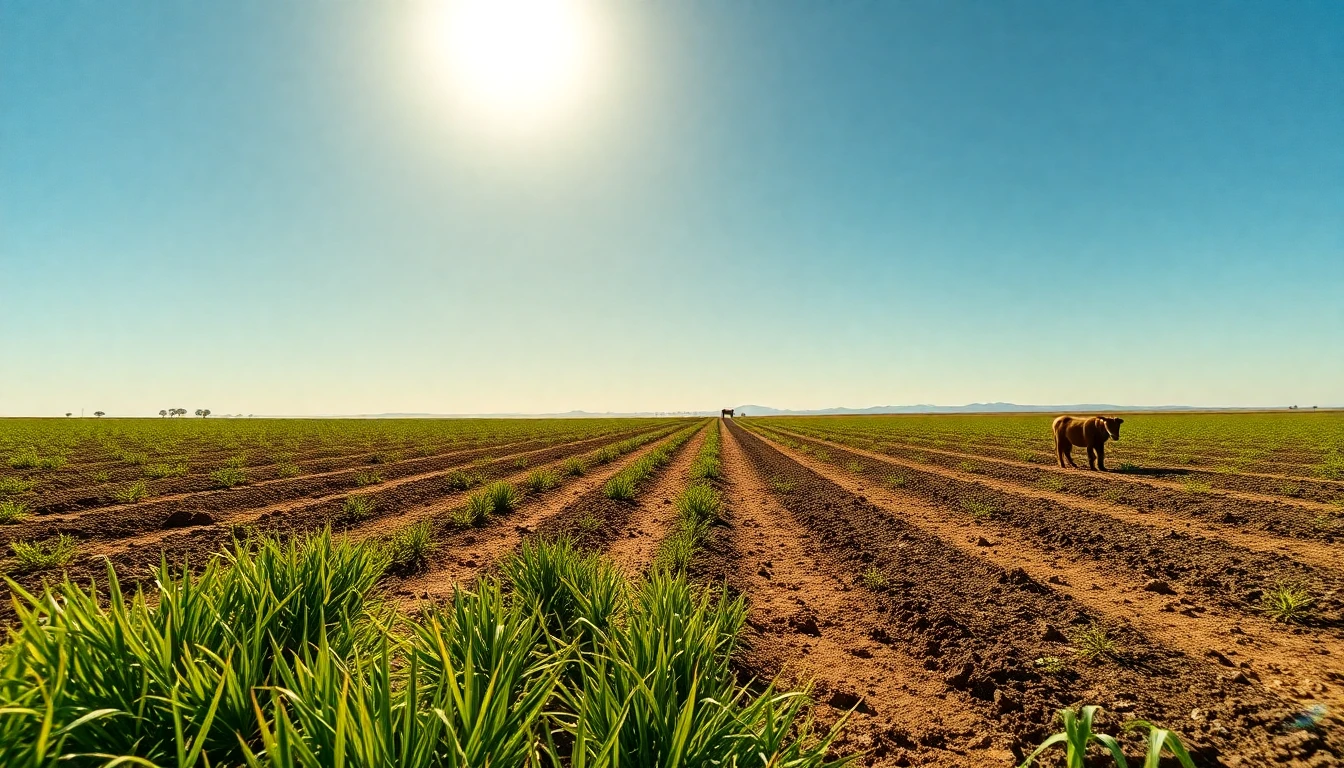
Temperatures could reach 42 °C or 43 °C in parts of Paraguay’s Chaco between Saturday, September 26, and Monday, September 28, prompting the Ministry of Agriculture and Livestock (MAG) to call for measures to protect crops and animals. The agricultural alert is based on a special bulletin from the Directorate of Meteorology and Hydrology (DMH), Paraguay’s agency responsible for weather and hydrological forecasts.
The bulletin forecasts highs of 39 °C to 41 °C on Saturday in the Chaco and northern Eastern Region. On Sunday, temperatures could reach or exceed 41 °C and 42 °C in departments of the Chaco; on Monday, highs could reach 42 °C to 43 °C in the Chaco, while temperatures in the country’s central and southern areas are expected to be close to 40 °C. High humidity could make the heat feel more intense.
Local forecasts published in the press give different ranges for this Saturday: one puts highs at 39 °C to 41 °C in the Chaco and northern Eastern Region; another estimates 35 °C to 42 °C in the Eastern and Western regions. Since the geographic areas covered are not identical, the figures cannot be compared directly for the whole country. In Asunción, the published forecast calls for highs of 38 °C on Saturday, 40 °C on Sunday and 41 °C on Monday.
For agriculture, MAG recommends precautions to reduce the effects of heat stress on crops. For livestock, it advises ensuring cattle and small animals have water and shelter, with particular attention during the hottest hours. The measure is intended to give producers and rural committees time to prepare before the period of extreme temperatures.
The chance of rain is low this Saturday. Isolated showers may occur from Sunday, mainly in the east and southeast of the Eastern Region. According to the forecast published for the period, these localized showers would not represent a significant change in the pattern of high temperatures.
Meteorologist Alejandro Coronel also forecasts increasing cloud cover from Sunday and the possibility of localized showers, especially in the eastern parts of both regions. Health guidance published alongside the local forecast advises drinking water, avoiding sun exposure during peak hours and using sunscreen if exposed to the sun. Children, older people and those with chronic illnesses are identified as more vulnerable to the effects of heat.