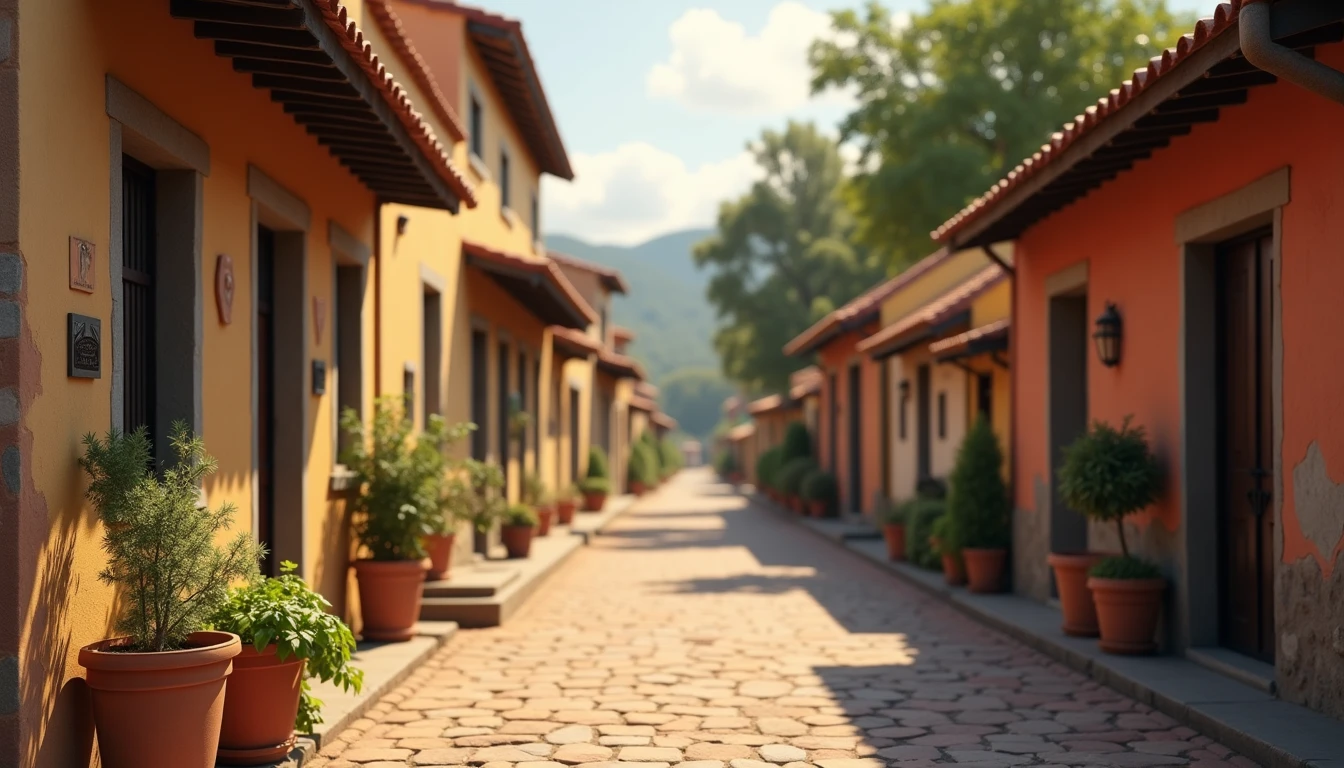
The department of Paraguarí has established itself as one of the most sought-after destinations for Paraguayans during the long weekend, offering a combination of historical heritage, nature, and culture that draws visitors seeking adventure, relaxation, and contact with mountain landscapes.
Among the main attractions is the San Buenaventura church, recognized for its architecture and religious significance, which is included on UNESCO's Tentative List of World Heritage Sites. The Paraguayan government is currently pushing its official candidacy to be declared a World Heritage Site. Visitors can enter the church up to the altar to appreciate the architectural richness of the site.
The region also preserves important vestiges of national history. The old Ybycuí iron foundry retains the remains of the first iron foundry in Latin America, as well as testimonies from the War of the Triple Alliance. The railway complex of the former Ferrocarril Carlos Antonio López preserves locomotives, railcars, and original structures, making it one of the most significant railway sites in the country.
The legacy of the War of the Triple Alliance is present at various points. The site where Marshal Francisco Solano López gathered and trained thousands of soldiers now houses a museum with free guided tours. The historic site still preserves two of the 180 pavilions that existed before being destroyed during the conflict.
For nature lovers, the Paraguarí National Park, a protected area of 5,124 hectares, offers lush vegetation, streams, waterfalls, and ecological trails. Cerro Hũ, one of the district's main natural attractions, features a lagoon at the top and a staircase that provides access to spectacular panoramic views of the surrounding mountain ranges. The protected natural monument is ideal for hiking, flora, and fauna observation.
The cultural offerings include the Museo Yaguarú, located atop a hill, the Museo Gaspar Rodríguez de Francia, the Museo de la Memoria, and the Museo Ramón Bogarín Ámbulo. There are also paths that follow trails of Guaraní myths with sculptures of mythological beings.
The district's old railway station preserves photographs, historical objects, and the iconic locomotive number 521, installed on the original tracks as a symbol of the railway heritage. An innovative tourist proposal allows visitors to pedal along the old train tracks on a metal platform equipped with adapted bicycles, surrounded by nature and the characteristic landscapes of the town.
The recreational area next to an artificial lagoon has been upgraded for visitors, including a dock offering a privileged view of Cerro Hũ and the Cristo Redentor de Paraguarí.
In the district of Sapucái, the historic railway complex combines heritage and nature, featuring workshops, restored locomotives, the Villa Inglesa, and the Living Museum of the old train station, as well as the Salto Inglés or Sapucái Waterfall, a protected area with waterfalls and abundant vegetation. Crossing by canoe or cachiveo through water channels allows visitors to reach this natural attraction in the buffer zone of Lake Ypoá, complemented by the climb up Cerro Bogarín.
In neighborhood number 3, the Ñandu Rape rural path is home to around 17 artisan families who keep the ñandutí tradition alive. Visitors can learn about the history and talent of the embroiderers through cart rides, walks, or cycling up to Cerro Itá Angu'á.
Carapeguá, known for its handcrafted textiles — including hammocks (kyha), poyvi, encaje jú, jerga, and traditional sashes made on ancestral looms — had all these products declared Intangible Cultural Heritage of the municipality under Ordinance No. 05/2023.
The town of Cabañas, known as the "City of the Mine and Cattle," offers a tranquil setting ideal for disconnecting, but also carries centuries of history. The Casa Oratório Cabañas, also called Oga Guasu, dates back to the 17th century and was the scene of the Comunero Revolution. It now operates as a museum and houses unique pieces such as Jesuit carvings, colonial silverware, and objects from everyday life of past eras.