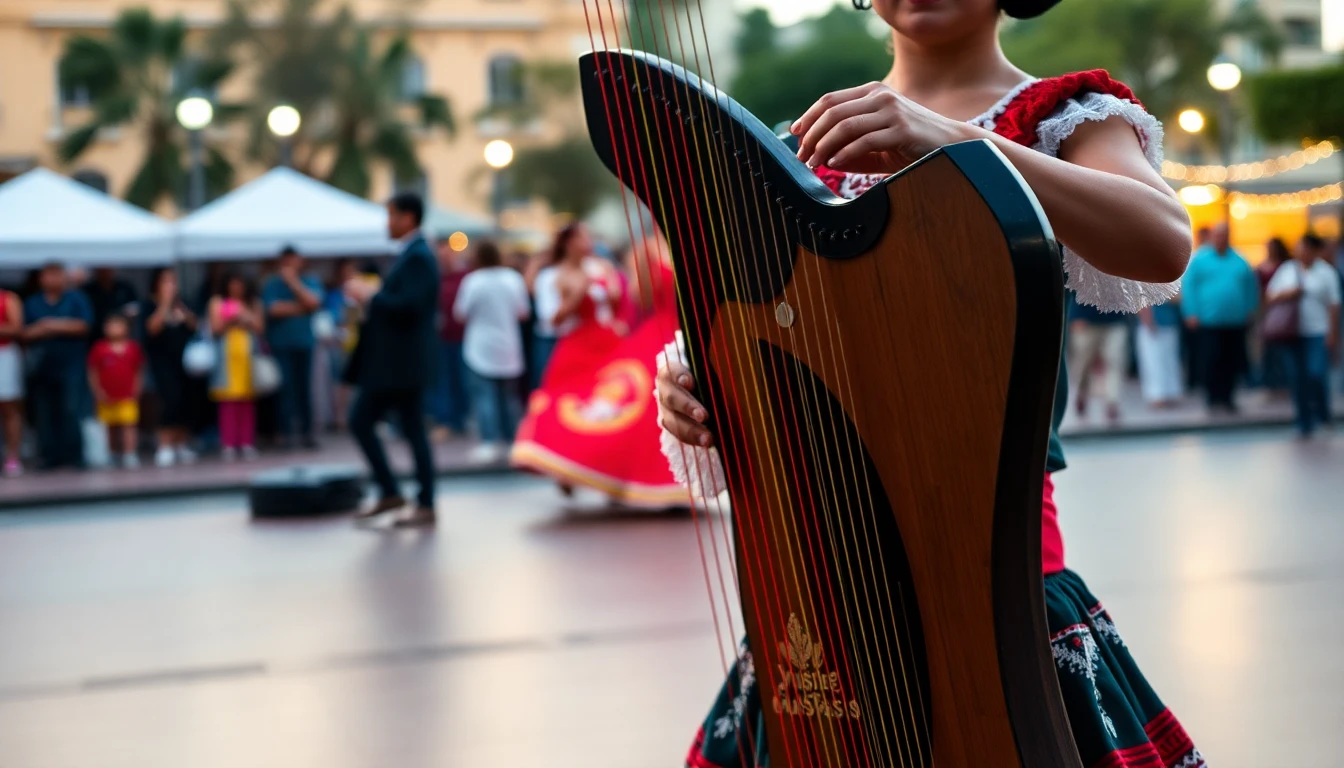
Paraguay celebrates National Folklore Day this Saturday, August 22, established by Law 6864 of 2021 to value the traditions, beliefs, and manifestations that make up the essence of national identity. The date coincides with World Folklore Day, established by UNESCO in reference to the term coined by British writer William John Thoms in 1846.
The celebrations include an extensive cultural agenda promoted by the National Secretariat of Culture (SNC), with free activities in Asunción and other regions of the country until August 30. The program covers craft fairs, historical exhibitions, folk ballet performances, guarania concerts, theater workshops, and guided tours of traditional neighborhoods like Ricardo Brugada.
For sociologist Paulo González Paciello, a master's graduate in Social Sciences Research from Flacso Paraguay, folklore is not a static set of traditions but a field of dispute over memory and national identity. He argues that Paraguayan culture is in constant transformation, with some practices disappearing, others adapting, and new expressions emerging, influenced by factors such as globalization, media, and social networks.
Among the central elements of Paraguayan folklore are gastronomy—with dishes like chipa, mbeju, and sopa paraguaya—tereré (recognized as intangible heritage by UNESCO), the Guarani language, legends such as those of Jasy Jatere and Luisón, music with guarania and polka, and crafts like ñandutí and ao po’i.
González Paciello emphasizes that national identity is plural and fragmented, varying between urban, rural, and border contexts. He notes that folklore reflects disputes over which narratives and norms are legitimized as representative of "being Paraguayan," with different social actors exerting unequal influence in this process.
This year's celebrations occur at a time of reflection on how traditions are maintained, transformed, or lost in the face of social and technological changes, highlighting the dynamic complexity of contemporary Paraguayan culture.