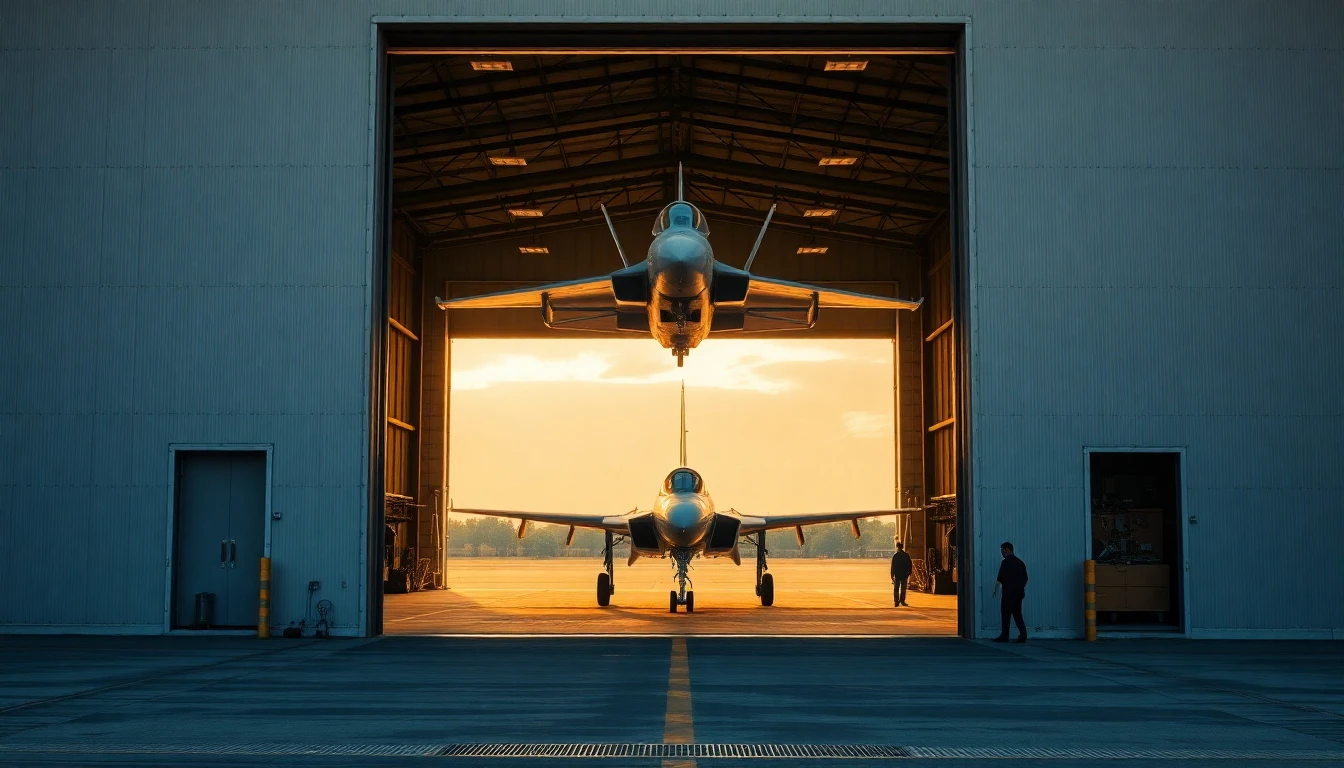
The Paraguayan Air Force (FAP) is analyzing the possibility of incorporating supersonic F-5 Tiger II fighters from Taiwan. The operation, still in a preliminary discussion phase, would allow Paraguay to regain a supersonic response capability it has lacked for several decades.
National Defense Minister General (Ret.) Óscar González confirmed that there are talks about a potential transfer of the aircraft, resulting from bilateral cooperation. "There are conversations, negotiations. Cooperation relations between Taiwan and Paraguay are very active, but I do not want to advance any specifics because these are still talks being held at the diplomatic level," the minister stated in an interview with Radio 1000.
The possible transfer occurs in the context of the renewal of the Taiwanese military fleet, which may also include advanced AT-3 training aircraft. The F-5 fighters, capable of reaching speeds of approximately Mach 1.6, would represent a qualitative leap compared to the turbo-propeller aircraft currently in service in the country, such as the A-29 Super Tucano.
However, the analysis goes beyond simple acquisition. The FAP must evaluate a series of critical factors, including the condition of the offered aircraft, their remaining service life, the availability of spare parts, the need for system modernization, and especially the operational and logistical costs to keep them flight-ready.
Estimates cited by the Asunción Times portal indicate that one hour of flight for an F-5 can cost around $5,000, a value several times higher than the operational cost of the Super Tucano, which is around $1,000 to $1,200 per hour. This difference reflects the complexity and much higher maintenance requirements of a jet fighter.
While the Super Tucano are mainly intended for surveillance, patrol, and combating illicit flights, the F-5 would meet different needs, such as rapid interception and airspace defense. The eventual incorporation would place Paraguay at a different operational level than its neighbors: Bolivia operates K-8W Karakorum trainers, while Argentina advances with the modernization of its fleet with F-16 fighters.
Parallel to this evaluation, Paraguay is already executing a significant modernization process with the acquisition of six A-29 Super Tucano aircraft from Brazil's Embraer, in an investment of $101.6 million. Four of them have already been incorporated, and the remaining two are scheduled to arrive in August. Paraguayan pilots recently participated in the multinational exercise Salitre 2026 in Chile, gaining experience with the new aircraft in combined operations.
If realized, the arrival of the F-5 would mean not only a reinforcement of the military inventory but the resumption of a strategic capability that would bring with it new and considerable budgetary and logistical challenges for the country.