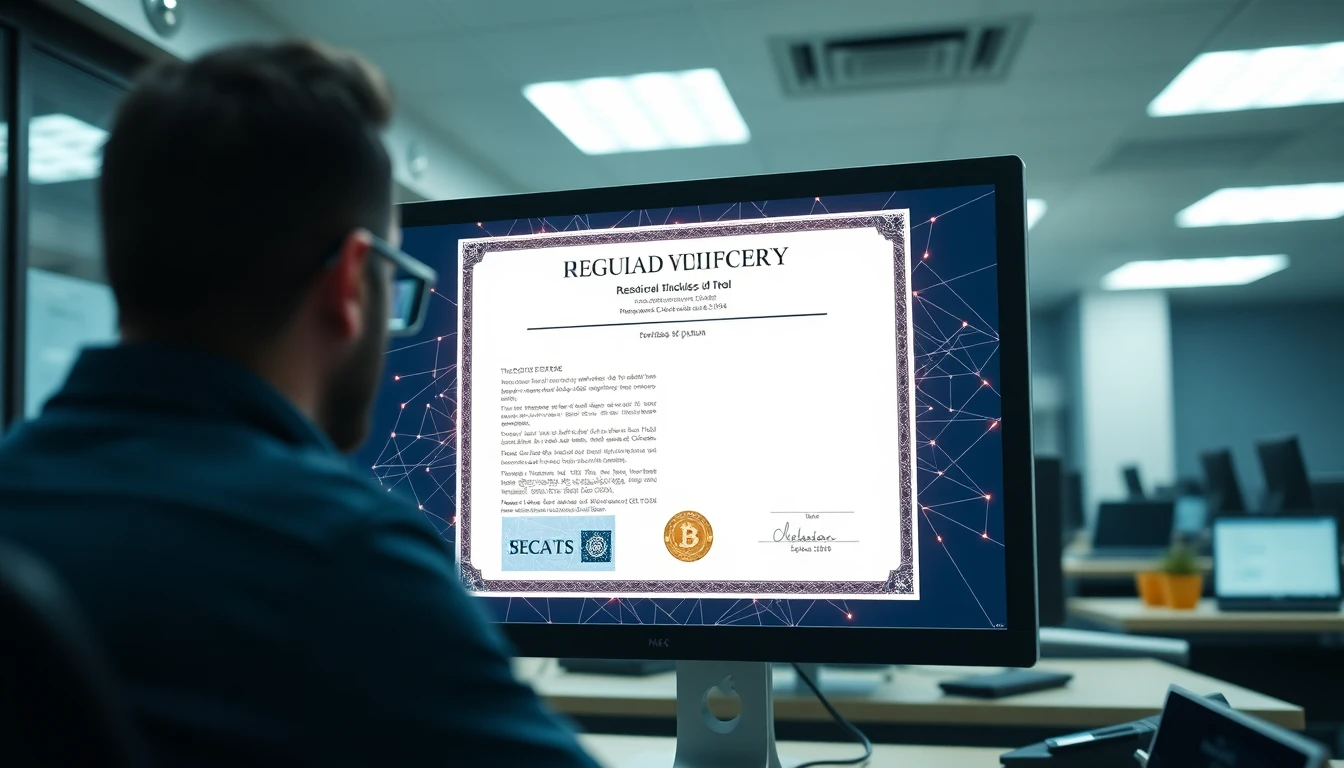
Paraguay's Ministry of Education and Sciences (MEC) is developing a national academic degree registry using cryptographic technology to combat diploma forgery. The initiative comes after an internal scandal revealed the issuance of hundreds of forged documents, currently under investigation by the Public Prosecutor's Office.
Education Minister Luis Ramírez stated that approximately 500 users carried out about 130,000 illegal actions in the ministry's systems to improperly validate university and teaching degrees. Among the cases is that of a "ghost" institute, not officially registered, which allegedly issued more than 50 diplomas to teachers.
Hermenegildo Cohene, Deputy Minister of Higher Education and Vice President of the National Council of Higher Education (Cones), declared that the goal is to have the new system ready by the end of this year. Distributed ledger technology (DLT/Blockchain) and timestamping will ensure that every entry, signature, or modification in the records becomes unalterable and auditable, preventing internal manipulation.
In addition to the cryptographic registry, MEC will implement other security measures. These include strict delineation of functions between universities and the ministry, a public digital degree verification service, and artificial intelligence algorithms to automatically detect anomalous behaviors, such as document uploads at unusual hours or suspicious volumes.
The plan also provides for real-time independent audit schemes for the Comptroller General's Office and the Public Prosecutor's Office, without intermediation by the system management unit. Cohene emphasized that the objective is that no changes can be made without the control bodies being notified.
These actions are part of the National Higher Education Plan 2050, which also seeks to address challenges such as low higher education completion rates. MEC data indicates that only one in ten university students in Paraguay completes their degree, one of the lowest rates in the region.