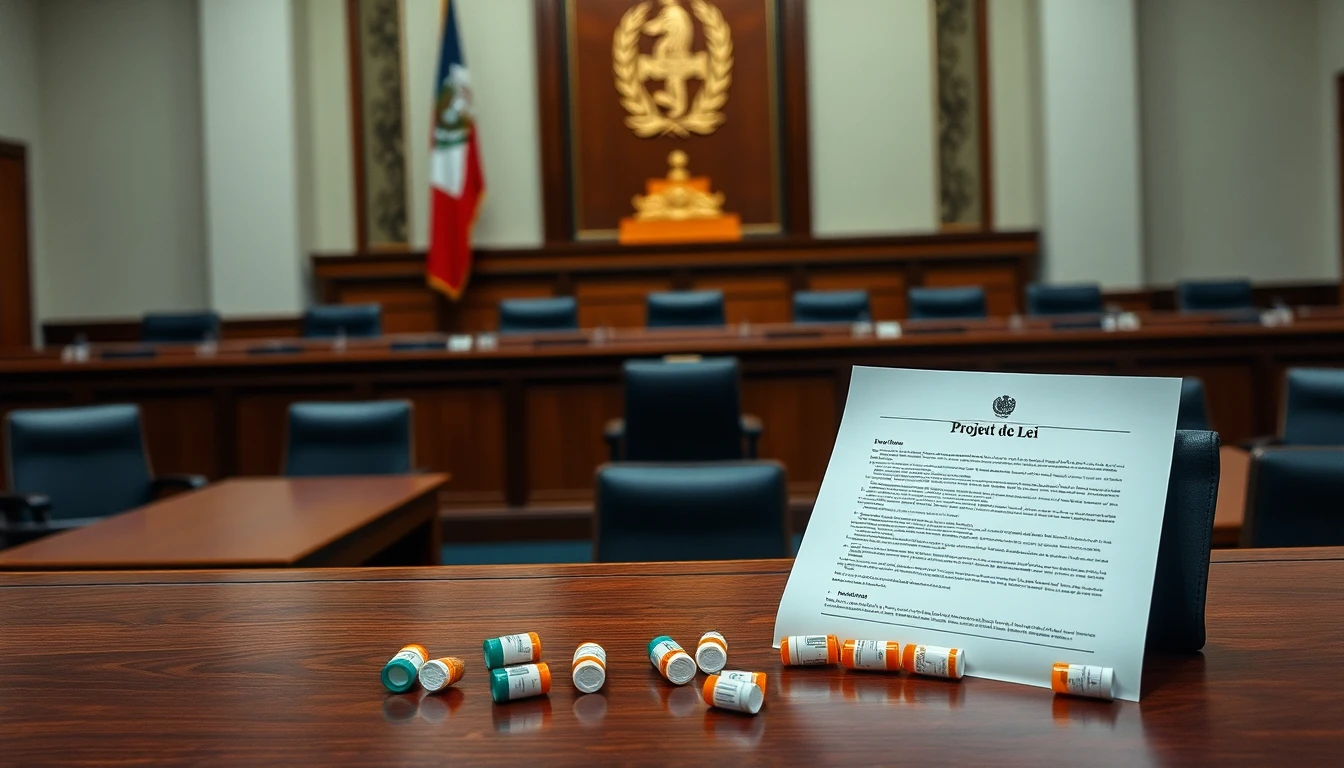
The Paraguayan Senate has included two bills considered a priority for tackling the financial crisis of the public health system on the agenda for its ordinary session this Wednesday. The system is marked by a scarcity of medicines and debts with suppliers.
One of the bills proposes redirecting nearly G. 10 billion, originally destined for communication campaigns, institutional events, and the hiring of digital influencers by Itaipu Binacional, to the Ministry of Public Health. The funds would be used to purchase medicines, maintain equipment, provide dialysis services, run laboratories, conduct hospital cleaning, feed patients, and other essential services.
The other initiative seeks to modify and expand Article 279 of the 2026 General National Budget Law to make the debt rights assignment mechanism, known as *factoraje*, more flexible. The goal is to expedite the payment of the state's multi-million dollar obligations to pharmaceutical companies, construction firms, and medical supply providers.
Senator Esperanza Martínez, of the Citizen Participation Party (PPC), confirmed that she requested the president of the Finance Committee, Beto Ovelar, to include the bills in Tuesday's meeting for the issuance of reports before they are dealt with in a full session. Martínez emphasized that the mechanism should not be limited only to medicines but should include other indispensable items, such as laboratory reagents, which are currently in short supply in several hospitals.
The lawmaker stated it is difficult to justify spending on institutional communication while severe shortages persist in public hospitals, classifying the situation as "very worrying" and a source of indignation. She also questioned recent investments in government promotion projects, which she considers to be more like political campaigns than structured public policies.
Martínez also warned that the health crisis is combined with a growing labor conflict in the Ministry of Health and the Social Security Institute (IPS), expressing concern over a potential general strike. She mentioned that the Ministry of Economy had announced a package of approximately $80 million for part of the health sector's debt, but there is no official information on its implementation.
Including the bills on the agenda will open a political discussion on alternatives to the crisis. Martínez concluded that if a better idea emerges, the bills can be modified, but the important thing is for the government to start debating concrete solutions, as the problem has been discussed for months without visible results.