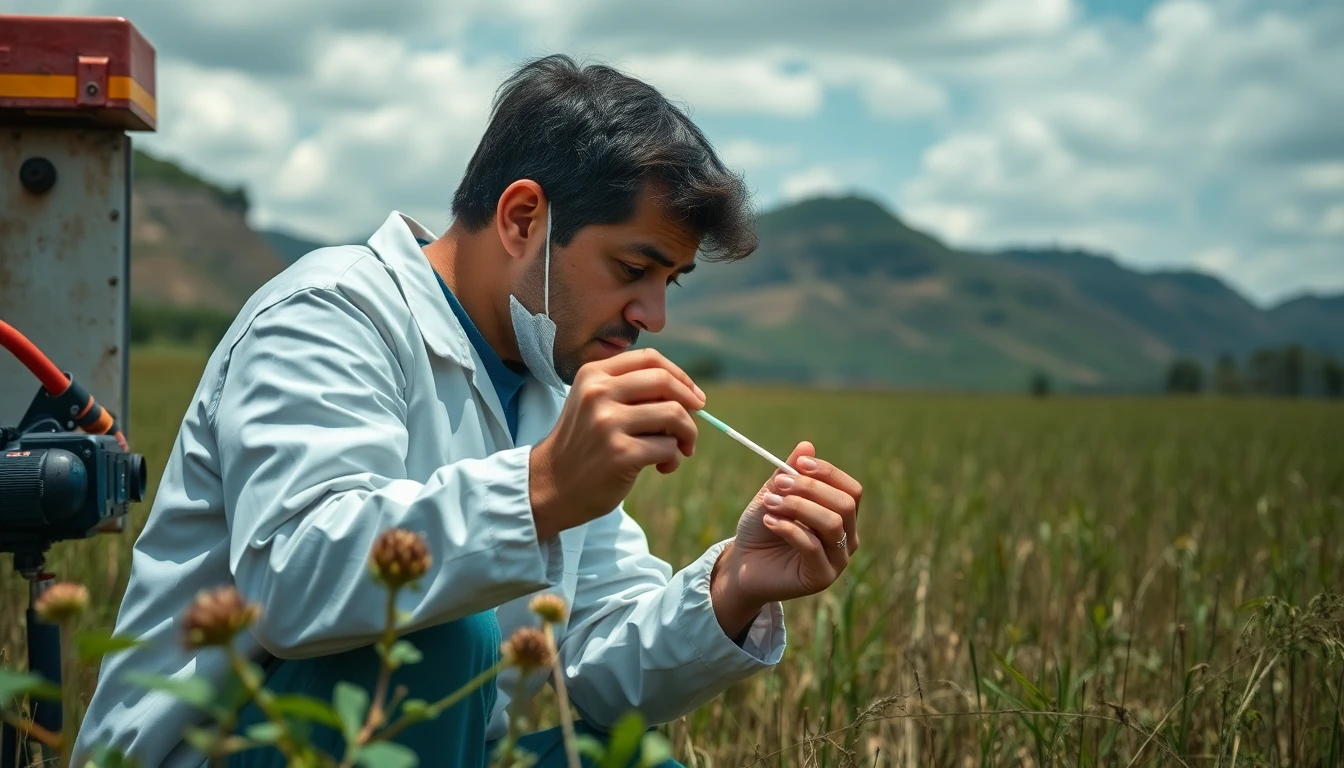
The American newspaper The New York Times highlighted the work of Paraguayan microbiologist Walter Sandoval Espínola and his team from the National University of Asunción (UNA) in one of the most important scientific investigations for understanding the planet's bacterial diversity.
The extensive report, written by journalist Jeneen Interlandi, followed the expedition carried out in Paraguay alongside researchers Mathilde Poyet and Mathieu Groussin from the Global Microbiome Conservancy, an organization dedicated to preserving human microorganisms from understudied communities.
For Sandoval, the publication constitutes an unprecedented recognition for Paraguayan science. "For decades we observed what our neighbors were doing in research and development. Now we can lead science and not be mere spectators," stated the scientist, who has previously worked at Harvard University.
The researcher explained that his team published the first characterization study of the Paraguayan microbiome in 2024 and has since analyzed more than 700 samples. The work included ethical approvals, sampling campaigns, medical evaluations, and bioinformatic and biostatistical analyses.
Among the main findings, Sandoval highlighted that there is no universal healthy microbiome and that the Paraguayan one has its own characteristics. The indigenous community of Itá Guazú, in Amambay, showed greater intestinal microbial diversity and understudied bacteria.
The microbiologist stated that these studies can guide new clinical, nutritional, and public policy strategies to prevent chronic diseases like diabetes and cardiovascular problems. The next steps include deepening the analysis of the intestinal and vaginal microbiome and metabolomics.
"Our goal is not only to understand the microbiome of Paraguayans. We want the knowledge generated in Paraguay to contribute to answering scientific questions that benefit people all over the world," concluded Sandoval.