President Santiago Peña presented a proposal in Luque to turn Paraguay into a regional logistics hub, using its location at the heart of South America as a competitive advantage. The strategy was outlined during an event referred to in the available reports as either the “Paraguay 2026 Protagonists’ Meeting” or “Paraguay, an ecosystem of opportunities.” It was held at the Convention Center of the South American Football Confederation (CONMEBOL), with representatives from industry, transport, logistics and foreign trade taking part.
The government’s plan combines the Paraguay-Paraná Waterway, the Bioceanic Corridor, investments in air connectivity and the modernization of institutions responsible for transport and trade. Peña said the country needs to stop treating its landlocked status solely as a limitation and take on a more active role in regional supply chains.
“Paraguay is taking a decisive step toward becoming the leading force in logistics in South America. Our location at the heart of the continent is no longer a limitation, but our greatest competitive advantage,” the president said. Elsewhere, he argued that the country should not merely have good logistics, but “the best logistics in the world.”
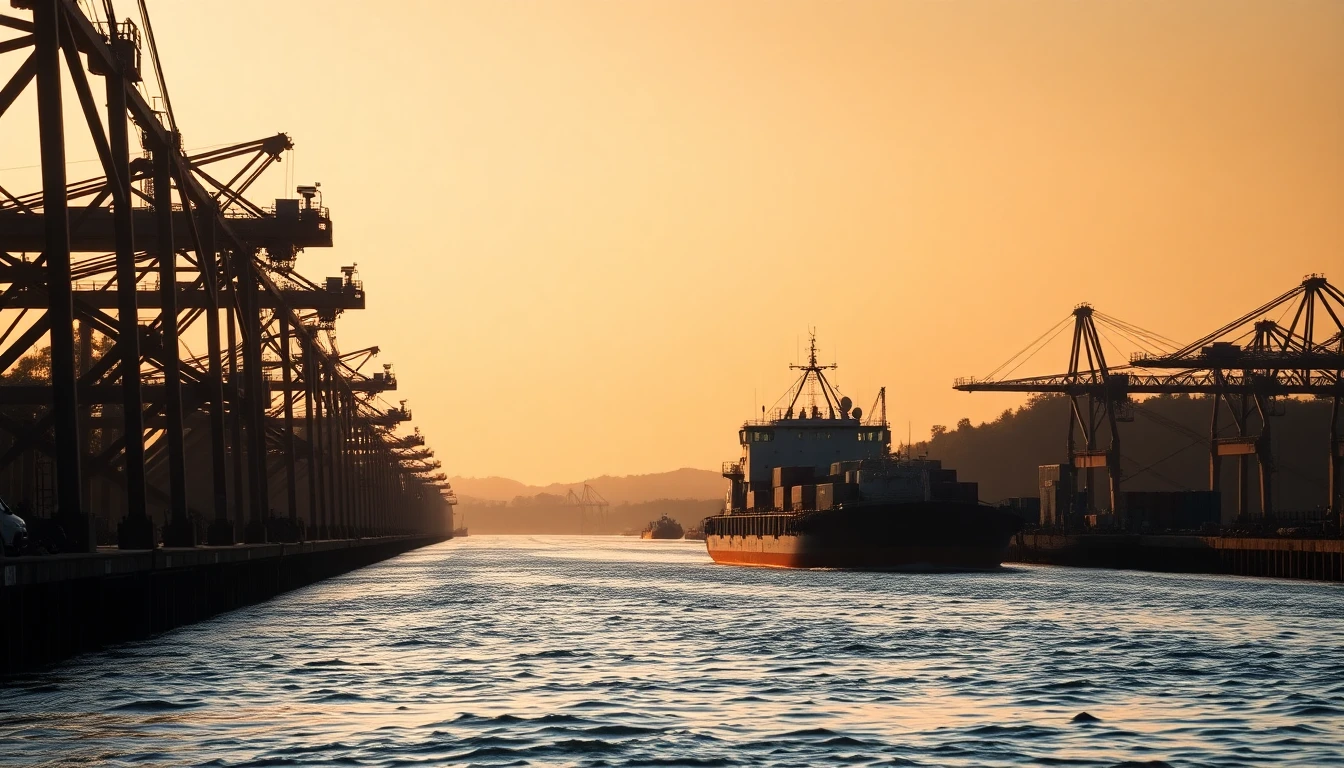
The waterway is the proposal’s main pillar. About 80% of Paraguay’s foreign trade passes through the river system, which currently moves approximately 25 million tons and is served by one of the largest barge fleets in the world. According to the government’s stated target, that volume would gradually double, including through efforts to attract cargo from producing regions in Brazil, Bolivia and Argentina, while also expanding connections with Uruguay and Argentina.
Peña acknowledged that fluctuations in river levels expose the country to disruptions and additional costs. The government’s announced approach involves replacing reactive management with advance planning through investments in infrastructure, dredging and maintenance of navigable waterways. The president also indicated that outdated administrative structures would need to be reformed and bureaucracy reduced.
The government presented the Bioceanic Corridor as another central element for linking the Paraguayan Chaco with Brazil, Argentina and Chilean ports, connecting the Atlantic and Pacific oceans. The plan also includes investment in the airports at Silvio Pettirossi, in Luque, Ciudad del Este and Encarnación.
Implementing the strategy will depend on continuous construction, maintenance of navigable waterways, institutional efficiency and predictability for companies and carriers. The proposal still faces implementation uncertainties, including the ability to reform administrative structures and attract cargo and investment. If completed, the expansion could affect neighboring countries’ export and import chains by offering new land, river and air routes for the movement of goods across the region.