The Ministry of Agriculture and Livestock (MAG) has issued a warning about the high probability of an El Niño event developing between June and August this year, with an estimated duration of six to nine months and the possibility of extending into April 2027. The alert was issued by the Agricultural Risks Directorate, based on data from the Directorate of Meteorology and Hydrology (DMH) and the U.S. National Oceanic and Atmospheric Administration's (NOAA) Climate Prediction Center.
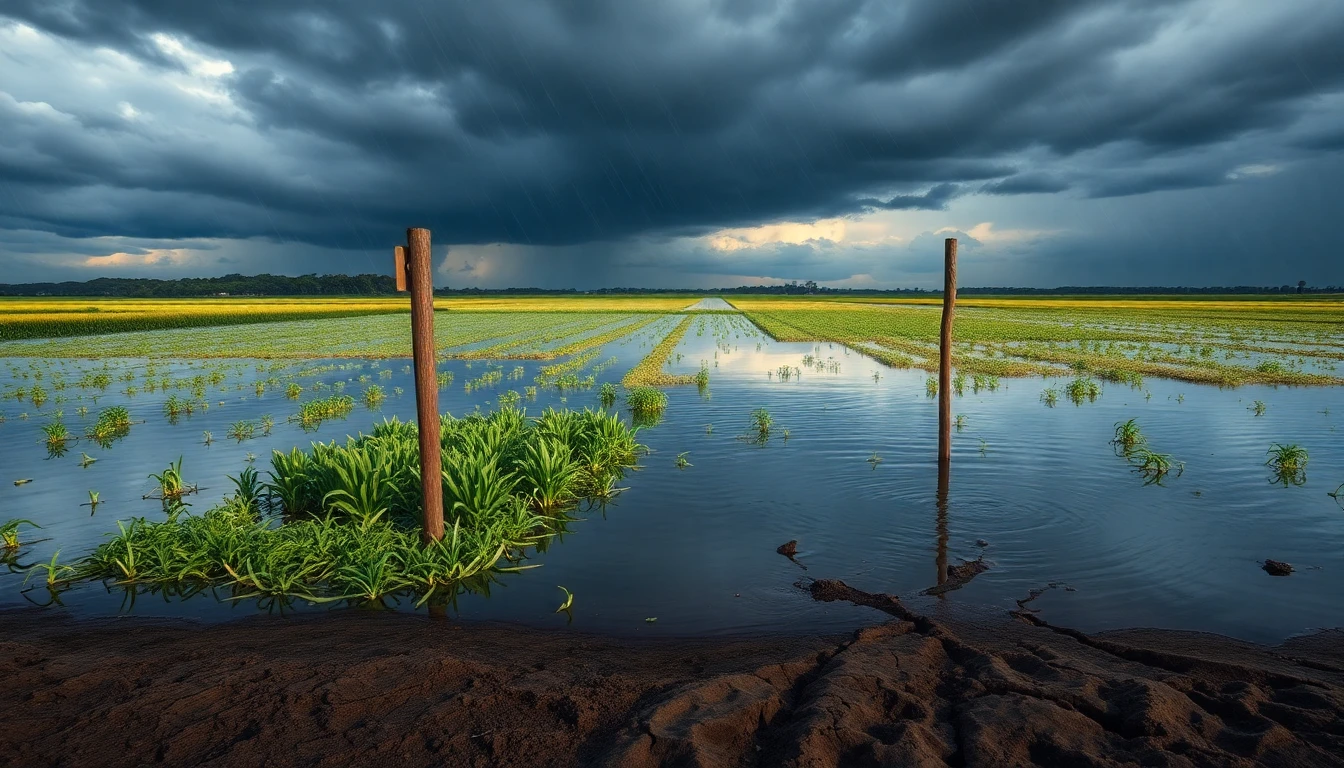
According to projections, the phenomenon — associated with anomalous warming of surface waters in the equatorial Pacific Ocean — is expected to reach moderate to strong intensity during spring and summer, critical stages for various crops and livestock activities in Paraguay. Among the anticipated effects are above-average rainfall across much of the country, increased risk of flooding, river overflows and flash floods, as well as above-normal temperatures and a higher frequency of severe storms and hail events.
For the agricultural sector, excess moisture can compromise critical processes such as sowing, flowering and maturation, leading to yield losses and a decline in production quality. These conditions also favor the emergence of fungal diseases and pests, in addition to hindering fieldwork due to soil saturation. The report also warns of potential nutrient loss through leaching and erosion, factors that can affect farm productivity.
In livestock farming, high temperatures combined with elevated humidity levels can cause heat stress in animals, impairing their productive performance. There is also an increased risk of parasitic, respiratory and hoof diseases, as well as complications in the health management and logistics of rural properties.
Given this scenario, MAG recommends that producers adopt preventive measures, such as improving drainage systems for plots and channels, selecting varieties more tolerant to excess moisture, planning sowing schedules according to climate outlooks, and reinforcing animal welfare by ensuring access to shade, clean water and adequate ventilation. The institution also advises storing fodder and grain under appropriate conditions and monitoring official climate bulletins and reports from specialized agencies.