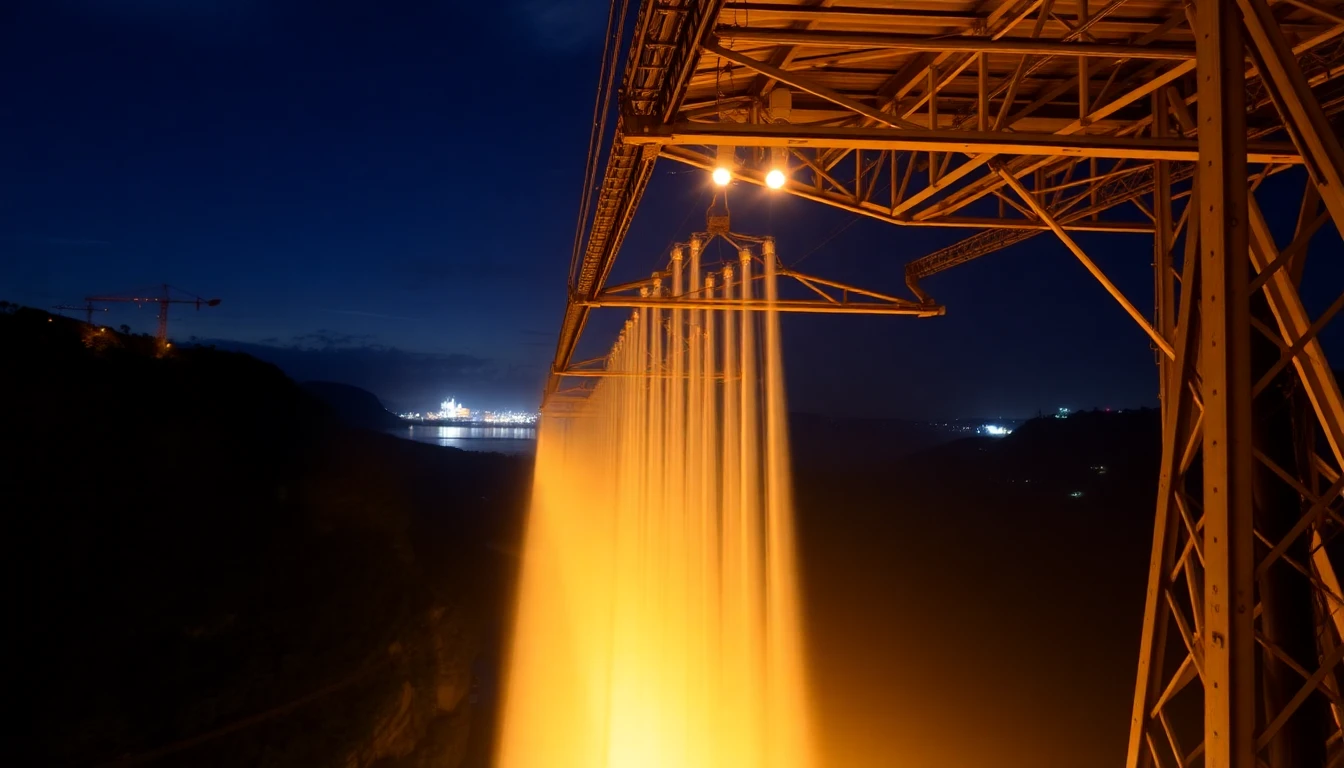
Itaipu Binacional has confirmed that its direct current transmission system is operating at a severely reduced capacity, at times injecting "null values" of energy to Brazil. The situation is the result of modernization works that have kept half of the equipment out of service.
According to the Technical Directorate of the Right Bank of the binational entity, the replacement of components, combined with scheduled maintenance shutdowns, is causing significant transmission constraints. The entity stated that this limited operation, with the possibility of partial technical blackouts, is initially expected to last until the end of this month.
Engineer Axel Benítez, an analyst in the electrical sector, sees a geopolitical maneuver behind the technical explanation. He argues that the works are preparing Brazil to export or import energy from Paraguay starting in 2030, while the neighboring country advances its own infrastructure. Benítez criticizes the lack of a sovereign energy policy by the Paraguayan government, stating that media-driven actions are being prioritized over a long-term strategy.
The analyst also questioned recent agreements made by the administration of President Santiago Peña, calling them "quick-fix agreements" that maintain the status quo. He argues that Paraguay should simply demand compliance with the Itaipu Treaty, which guarantees the country 50% of the plant's production at a fair tariff.
Benítez also warned of a distortion in energy consumption managed by the National Electricity Administration (ANDE). According to him, the supposed increase in demand is driven by cryptocurrency mining farms, which would already account for 30% of the energy billed by ANDE in the first half of 2026, rather than by genuine industrial growth.