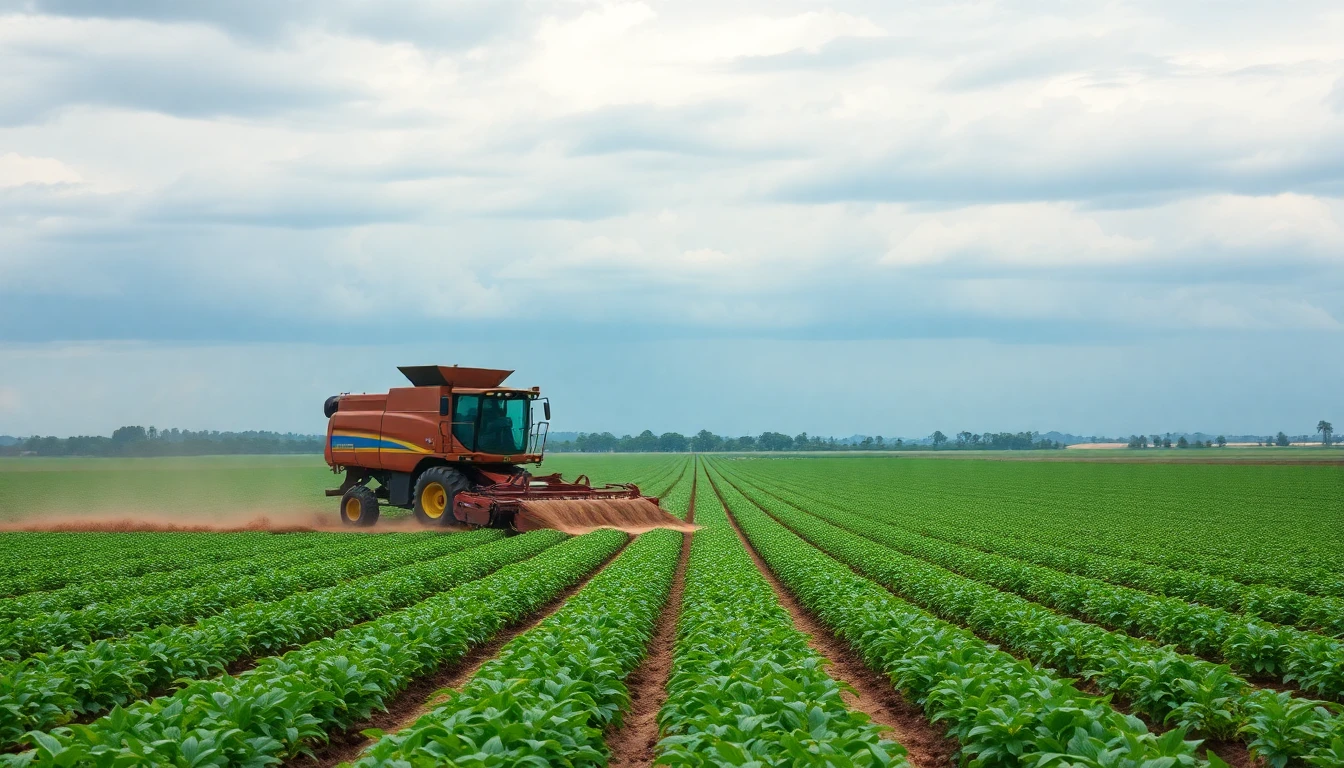
The Paraguayan Association of Soybean, Oilseed and Cereal Producers (APS) is preparing the National Opening of Soybean Planting 2026/27 and projects between 3.6 million and 3.7 million hectares of soybeans for the new campaign. The meeting will examine the outlook for the new cycle. The estimate exceeds the approximately 3.4 million hectares recorded in the 2025/26 season; Capeco reported an area of 3.407 million hectares. The result will depend on weather, prices and production costs.
The symbolic opening of the new cycle will take place on September 3 in J. Eulogio Estigarribia, in the department of Caaguazú, during the fourth edition of the Siembra Paraguay event. Held under the slogan “Ñañemitỹ ñepyrũta,” the event will bring together producers, authorities, companies and representatives of the grain sector. APS also completes 27 years of activity this year.
Initial expectations are favorable regarding soil moisture and crop development. The main concern is profitability, given fluctuations in international prices, production costs, fuel prices and marketing conditions.
Lindemar Cesca, president of APS, said producers have technical knowledge and command of crop management, but described the market as a “total uncertainty.” He said geopolitical factors could affect both soybean prices and the costs farmers face during the campaign.
Data from the Paraguayan Chamber of Exporters and Marketers of Cereals and Oilseeds (Capeco), an organization representing grain exporters and marketers, show the sector’s expansion and productivity gains. In the 1999/2000 campaign, soybeans covered about 1.2 million hectares, with production of 2.91 million tonnes and an average yield of 2,426 kilograms per hectare.
In the 2025/26 season, the area was approximately 3.4 million hectares—3.407 million, according to Capeco—production was estimated at 11.5 million tonnes and the average yield reached 3,374 kilograms per hectare. The progress is associated with mechanization, the development of new varieties, the use of precision-agriculture tools and the adoption of more efficient management practices.
The choice of J. Eulogio Estigarribia, also known as Campo 8, is part of the proposal to take the national opening to different producing regions. The event aims to highlight farm work and discuss the outlook for soybeans, one of Paraguay’s main agricultural export chains.