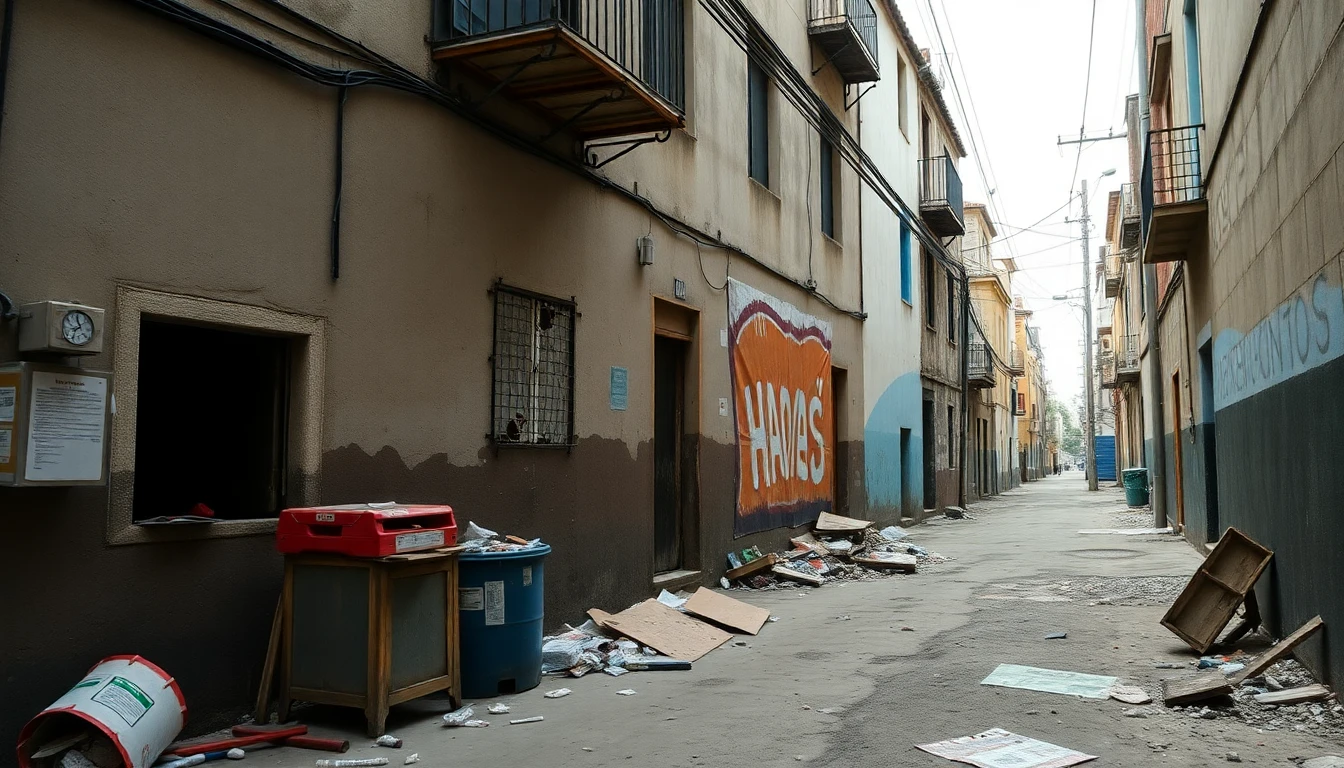
The area known as “La Lengua,” in Barrio Jara, Asunción, is the focus of reports of crack, marijuana and cocaine sales, as well as thefts, assaults and conflicts with residents. The area is near Artigas Avenue and the former railway line, where precarious settlements formed through the gradual occupation of the railway strip and the arrival of families affected by floods.
The neighborhood is mainly residential and commercial, with schools, universities and service centers, but conditions change near Doctor Pedro Ciancio Street. Police point to narrow streets and passageways between makeshift homes as hiding places for drug distributors. According to officers from three police stations serving the area, incidents are mainly associated with small-scale drug dealing.
Residents report that the problems include thefts from homes and outdoor areas, noise pollution and reprisals against people who call the police. A man over 70 was allegedly attacked after complaining about the volume of a party. The complaint says stones were thrown at the house, breaking a window and damaging the son’s motorcycle.
There are also complaints about 13 families occupying a section of Ciancio Street. A court eviction ruling is reportedly final but has still not been enforced. A resident, who requested anonymity out of fear of threats, attributed the delay to alleged political protection and said the occupants were linked to the Colorado Party (ANR). That allegation was not corroborated by documents or by an official statement included in the available information.
The operation of the drug market makes police operations more difficult. One officer described a succession of arrests: when one sales point is shut down, another resident takes over because consumers remain in the area. When suspects are released under alternatives to detention, former and new sales points eventually resume operating, according to the officer.
The National Police, anti-narcotics units and the National Anti-Drug Secretariat (Senad), the Paraguayan agency responsible for combating drug trafficking, operate in the area. Even so, residents say cameras installed through a community initiative were destroyed less than a month later and that many detainees quickly return to the streets. The statements reflect local and police accounts, but do not include consolidated official data on the number of sales points, arrests or court cases.
The complaints contrast with Barrio Jara’s historical image. The neighborhood, formerly known as Quinta Jara, was presented by the Municipality of Asunción in 2020 as a growing residential area. The transformation of the former railway strip into settlements without regular vehicle access and with inadequate infrastructure has created tension between urban expansion, a lack of services and the actions of security forces.