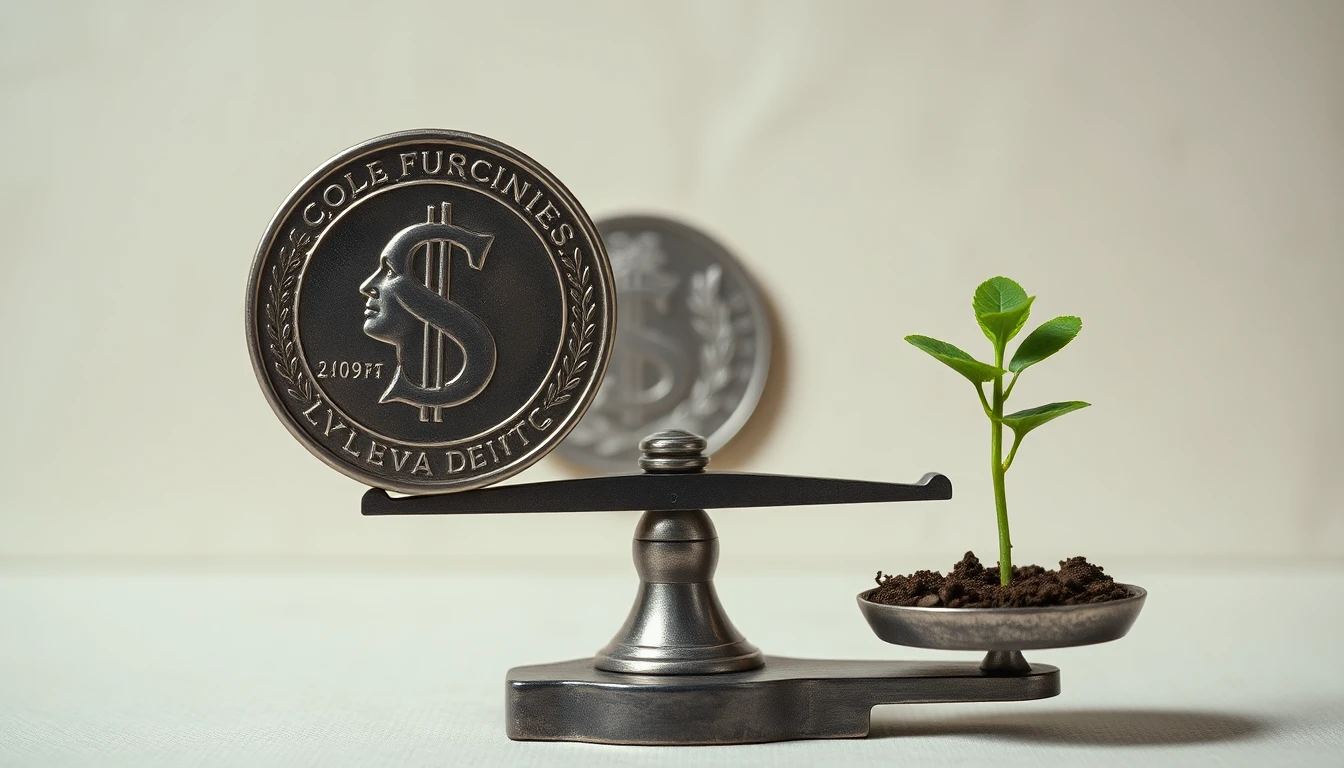
Economist Wildo González analyzed the potential impacts of a depreciation of the guaraní on Paraguay's public accounts. He explained that, in the short term, a fall in the value of the local currency makes servicing the public debt more expensive, since approximately 85% of it is denominated in foreign currency. This would require the state to allocate more guaraníes to pay the same dollar-denominated obligations.
However, González highlighted that this negative effect could be partially offset by an increase in tax revenue, which is collected in guaraníes and tends to grow alongside local economic activity. In the medium term, a moderate and gradual depreciation could even be beneficial, improving the competitiveness of exports and boosting the nominal growth of the economy, which, in turn, would also strengthen fiscal revenue.
The analyst warned that the main risk lies in a sharp adjustment. A strong and rapid fall of the guaraní could generate inflationary pressure and force the Central Bank of Paraguay (BCP) to raise interest rates, a measure that would tend to slow down economic activity.
When asked if it is possible to adjust the exchange rate without shaking stability, González affirmed that it is, provided the process is orderly. He assesses that the current exchange rate seems a bit "behind" relative to economic fundamentals; therefore, a gradual correction would be a natural adjustment, not a crisis. For this scenario to be successful, three conditions are necessary: that the adjustment is slow, that the financing of public debt does not excessively pressure the local market, and that the BCP adequately manages international reserves.
If these conditions are met, the impact could be neutral or positive, with the economy adjusting smoothly and exports gaining competitiveness. On the other hand, trying to avoid the adjustment for too long could lead to an accumulation of imbalances, making the final cost greater, concluded the economist.