Electricity consumption in Paraguay surpassed that of solid biomass for the first time in 2025, according to data from the National Energy Balance 2025, presented by the Vice Ministry of Mines and Energy (VMME), which is part of the Ministry of Public Works and Communications (MOPC).
Electricity reached 22,509.5 GWh, a 15.5% increase from 2024, and came to represent 27.6% of final energy consumption. Solid biomass—which includes firewood, sugar-cane bagasse, charcoal and other residues—accounted for 25.3% after growing by just 0.6% over the period.
The results were presented by the technical team of the Planning and Statistics Department of the Directorate of Energy Resources. The balance records how energy is consumed in the country and serves to analyze future needs and plan the development of the sector in the context of the energy transition.
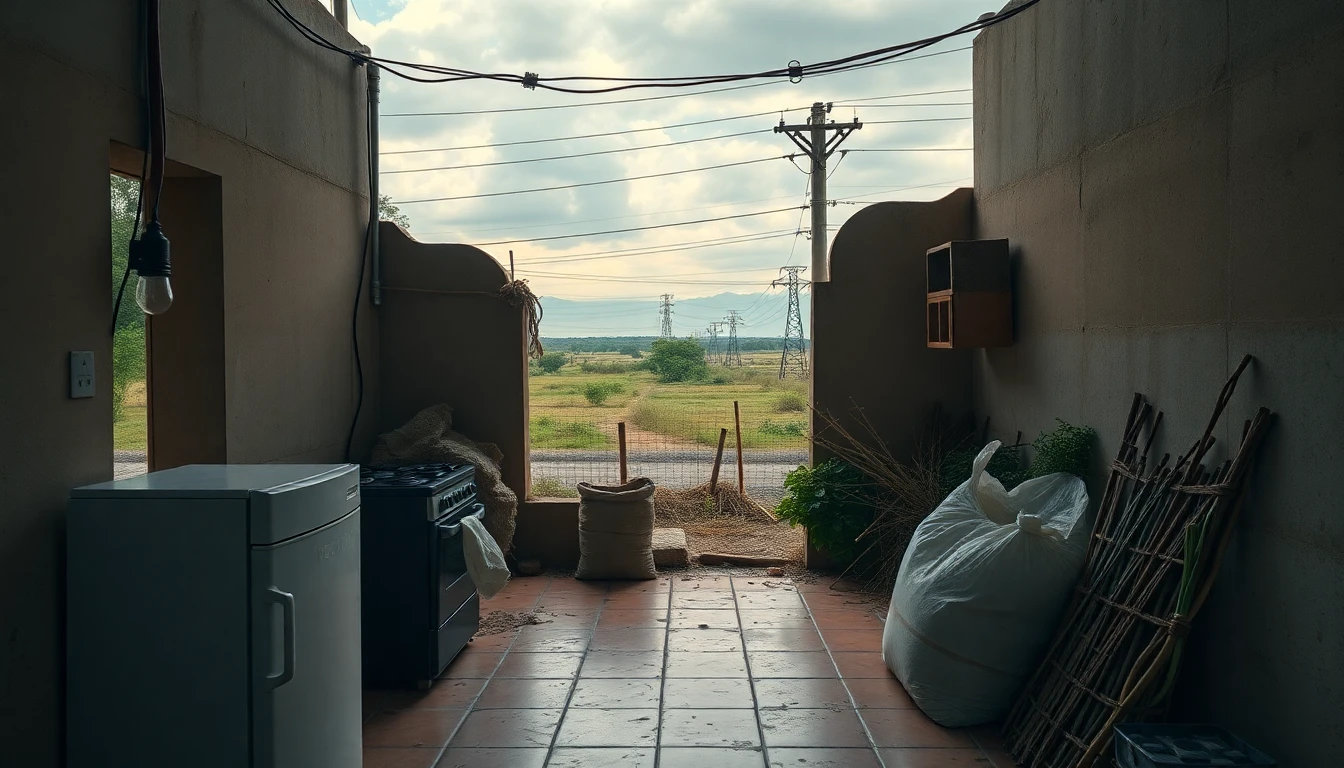
The shift is also visible in household consumption. Electricity accounted for 49.3% of the energy used in homes, ahead of biomass at 40% and petroleum products, mainly liquefied petroleum gas (LPG), at 10.7%. The share of households using electricity as their main cooking source rose by 3.6 percentage points in one year, reaching 32.7%.
Households accounted for 33% of all electricity consumed in Paraguay in 2025. In the “other sectors” category, which includes activities related to Advanced Digital Infrastructure (ADI), electricity consumption grew by 138.5%.
Transport, however, continued to lead national energy consumption, accounting for 37.9% of the total. Fossil fuels, especially diesel, represented 88.1% of the energy used by the sector; ethanol and biodiesel accounted for the remaining 11.9%.
Biofuel use grew by 15.2% from 2024, reaching 4.5% of the energy-consumption mix. Ethanol and biodiesel are used mainly in blends with gasoline and diesel.
The balance was presented under the VMME, with the participation of Vice Minister Mauricio Bejarano and Energy Resources Director Fabio Lucantonio. The data indicate an expansion of electricity use in households and digital activities, but also show that Paraguay’s transport sector remains heavily dependent on fossil fuels.