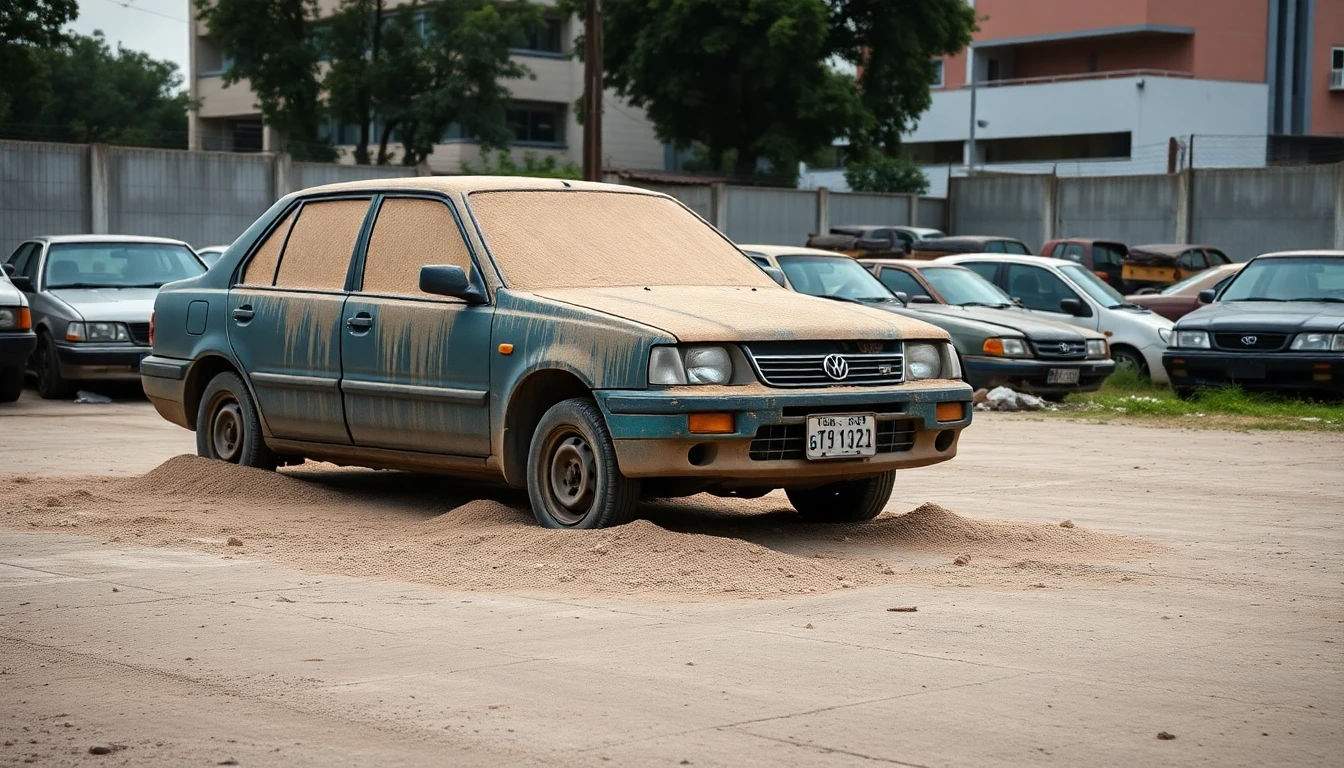
The Senate approved, with amendments, a bill that expands the rules for removing and eventually auctioning abandoned vehicles in Paraguay. The text was returned to the Chamber of Deputies for a new constitutional procedure and has therefore not yet entered into force.
The proposal amends Law No. 6245/2018, currently limited to scrap vehicles left on municipal or Ministry of Public Works and Communications (MOPC) property, as well as vehicles that pose a direct danger to traffic. The change seeks to include cars involved in judicial proceedings or subject to restitution orders.
Under the bill, municipalities could turn to the courts to obtain authorization for an auction when the owner does not claim the vehicle for six months. The measure seeks to prevent seized cars from remaining indefinitely on streets, in municipal yards or in judicial depots.
The amendments were introduced by the Senate's Legislation, Codification, Justice and Labor Committee, chaired by Senator Derlis Maidana of the Colorado Party (ANR), which is linked to the Honor Colorado faction led by former President Horacio Cartes. The original text had been introduced by lawmakers Freddy Franco and Alexandra Zena.
One of the changes incorporates a recommendation from the Municipal Traffic Police (PMT), an enforcement body linked to the Municipality of Asunción, to allow the competent authority to remove immediately abandoned vehicles that pose a risk to the environment, public health or traffic.
The National Traffic and Road Safety Agency (ANTSV), responsible for regulating traffic and setting road-safety policies in the country, also pointed out that the prolonged immobilization of these vehicles increases risks on the roads. The Paraguayan Organization for Intermunicipal Cooperation (OPACI) took part in the recommendations considered by the senators.
The bill still needs to be reviewed again by the Chamber of Deputies. If the deputies accept the amendments, the text will proceed to the final stages of approval or veto; if they reject them, Congress will have to resolve the disagreement between the two chambers. Until that process is complete, Law No. 6245/2018 remains the applicable rule.