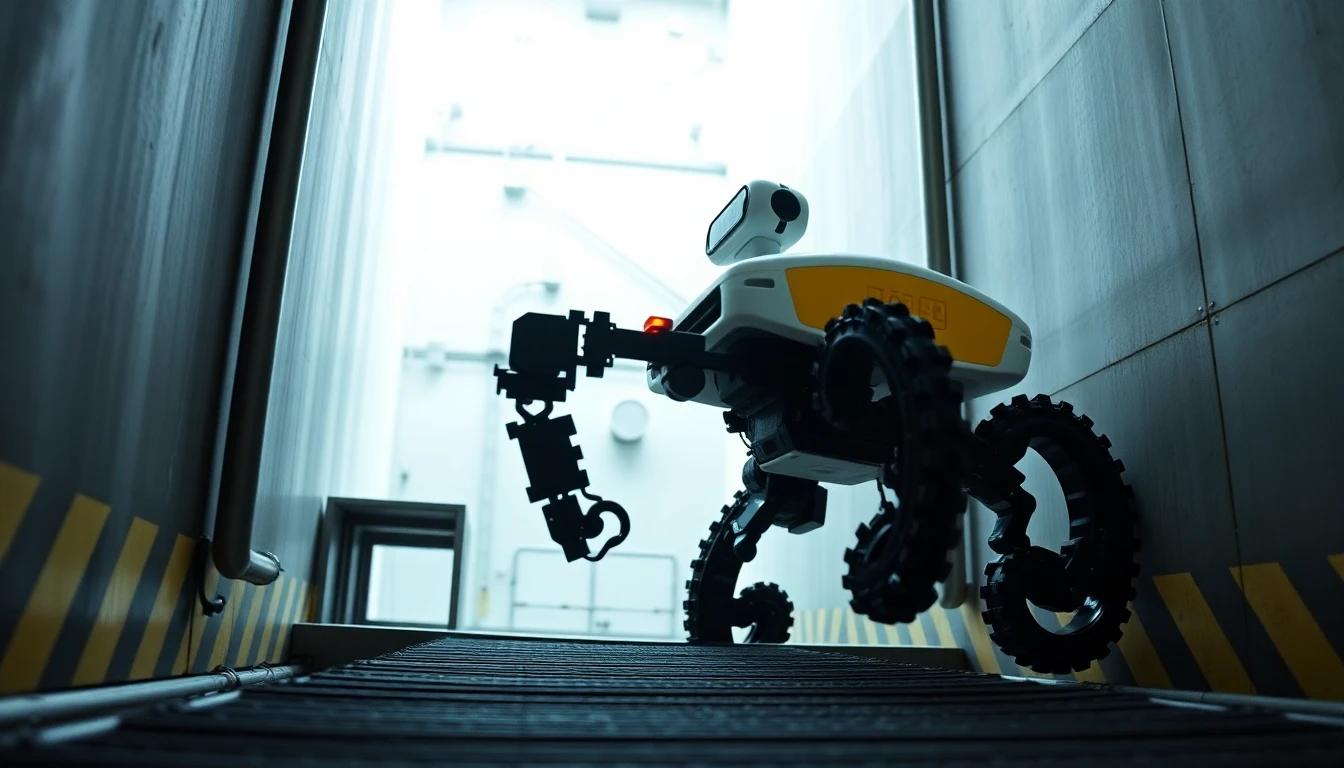
U.S. Immigration and Customs Enforcement (ICE) plans to spend between $1 million and $2 million to buy Spot quadruped robots developed by Boston Dynamics. The acquisition is still in the planning stage, and documents from the U.S. Department of Homeland Security (DHS) specify neither the number of units nor the final price.
The equipment is expected to be used for inspections, reconnaissance and risk assessments before agents enter dangerous, confined, unstable or hard-to-reach locations. The project also covers operations related to border security and infrastructure protection.
Spot can climb stairs and cross complex terrain. Depending on its configuration, it can carry 360-degree cameras, sensors and a robotic arm capable of handling objects and opening doors. Operated remotely, the equipment allows an operator to examine the environment without being physically exposed.
The basic price of each unit is estimated at about $75,000, but sensors, cameras, arms and other accessories can significantly increase the cost. For that reason, the $2 million ceiling does not make it possible to determine how many robots would be purchased.
The use of this type of robot by U.S. security agencies is not unprecedented. The U.S. Secret Service has already used Spot units in security operations, and images of robots patrolling Mar-a-Lago, Donald Trump’s residence and private club in Florida, drew attention in 2024. There are also records of their use in investigations involving explosives, rescues and high-risk confrontations.
Boston Dynamics says its robots should not be used as weapons and prohibits weaponizing them. Even so, ICE’s possible purchase broadens a discussion that does not depend solely on the ability to shoot or attack: a machine equipped to enter an environment first, observe, transmit data and manipulate objects may already influence decisions made by remote operators.
Technological advances also include robots capable of carrying loads, using tools and working with people. Boston Dynamics is also developing humanoid models, while other companies are directing similar machines toward factories, warehouses and household tasks. In ICE’s case, however, the immediate expected consequence is more specific: transferring to a remote system part of the reconnaissance of areas that could put agents at risk.