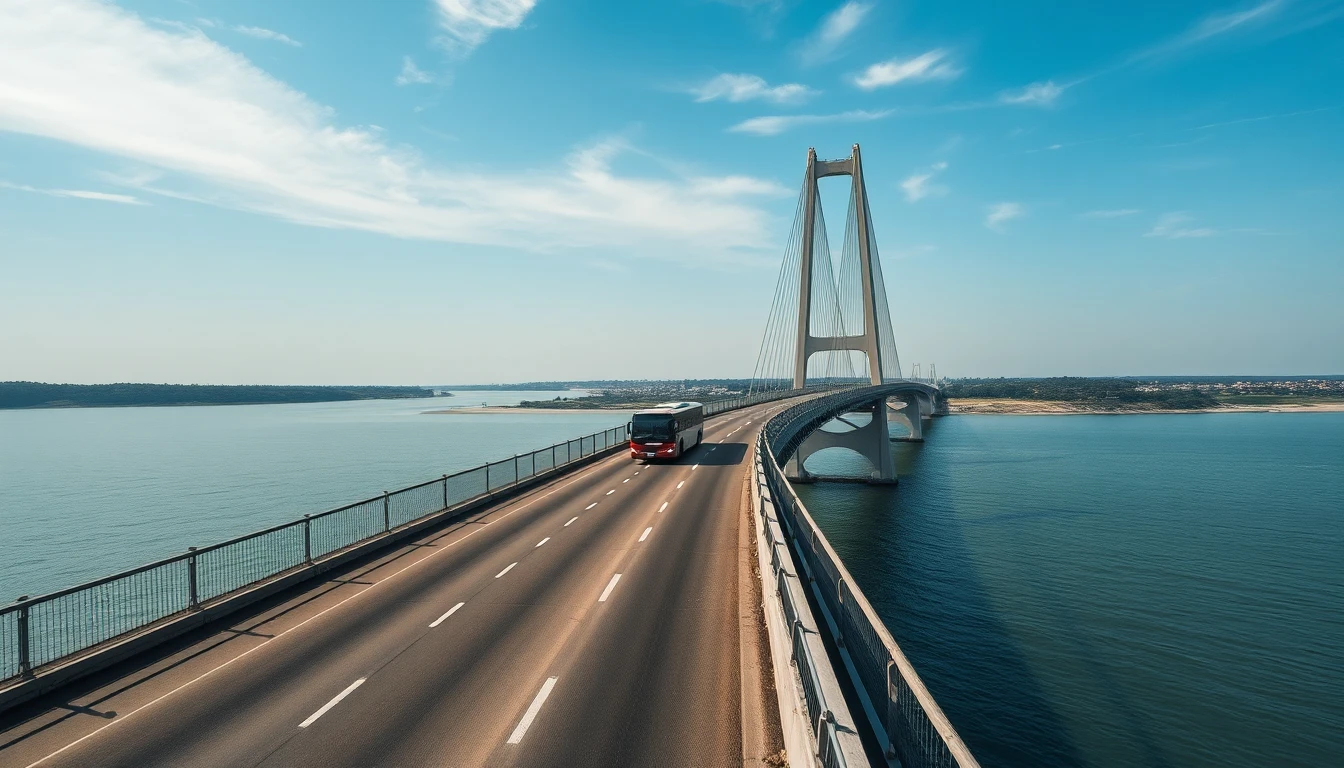
Only four vehicles crossed the Puente de la Integración, which connects Presidente Franco (Paraguay) to Foz do Iguaçu (Brazil), during the first week after partial clearance for passenger cars. The data appears in a report by Brazil's Federal Revenue Service and highlights negligible traffic given the bureaucratic restrictions imposed on using the structure.
The new phase of authorization took effect on September 14, allowing private vehicles to circulate between 07:00 and 13:00. However, access is limited exclusively to residents of the border cities of Ciudad del Este, Presidente Franco, Hernandarias, and Foz do Iguaçu. To transit through the area, drivers and passengers must present the Cross-Border Neighborhood Transit Document (DTVF).
The DTVF is issued by Paraguay's National Directorate of Migration for Brazilians and by Brazil's Federal Police for Paraguayans. The process requires payment of an administrative fee, as well as proof of residence, criminal background checks, and other documents. Initially, the cost for Brazilian citizens was disproportionately high, reaching nearly Gs. 234,154, a value far exceeding the approximately Gs. 74,000 charged on the Brazilian side. Facing public resistance, the Paraguayan migration authority reduced the tariff to approximately Gs. 74,929, seeking to equalize prices.
Despite the tariff reduction, the documentary requirement continues to be cited as the main barrier to using the new international corridor. Lucio Vera, a councilman from Presidente Franco representing the Authentic Radical Liberal Party (PLRA), classified the current scenario as a "white elephant." According to him, there was a failure in negotiations conducted by the Paraguay-Brazil Joint International Commission, the bilateral body responsible for defining traffic rules at the border.
Vera argues that international connectivity should boost the region's economic, tourist, and commercial development, advocating for free circulation without bureaucratic hurdles. The parliamentarian also criticized the lack of local government participation in the Joint Commission's decisions, stating that municipal authorities are frequently ignored in this process.
Meanwhile, heavy traffic follows specific schedules: empty trucks circulate from 18:00 to 05:00, and medium-sized vehicles can enter and exit in ballast between 07:00 and 19:00. The loaded return of these trucks must still occur via the traditional Friendship Bridge. Additionally, closed-circuit passenger services and international regular lines will continue to use the Integration Bridge exclusively 24 hours a day.