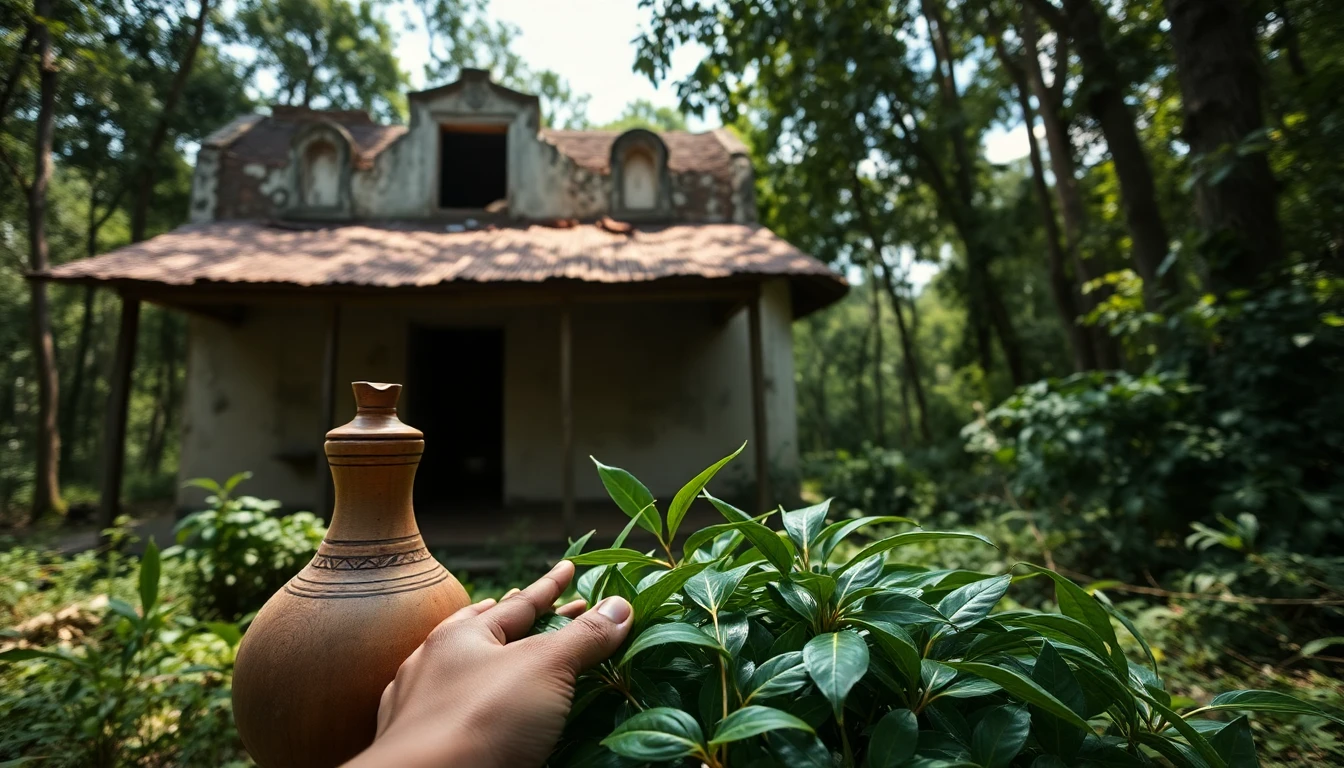
The district of Nueva Germania, in Paraguay's San Pedro department, celebrated its 139th anniversary with a student parade, inaugurations of public works, and cultural events that highlighted its unique identity, marked by its German heritage and its title as the Capital of Yerba Mate.
The locality was founded in 1887 by German Bernhard Förster, known for his antisemitic ideas, with the goal of establishing a racially "pure" colony in Paraguay. He arrived in the country accompanied by his wife, Elizabeth Nietzsche – sister of philosopher Friedrich Nietzsche – and a small group of settlers. The Paraguayan government, under the leadership of General Bernardino Caballero, granted 12 square leagues of land near the Aguaray River for the project.
However, geographical isolation, economic difficulties, and harsh living conditions led to the initiative's failure. Disillusioned, Bernhard Förster committed suicide in 1889 in San Bernardino, where he was buried.
Today, Nueva Germania preserves various aspects of the original German culture, such as European architecture, culinary traditions – including recipes like German cake and homemade bread – and the use of the German language alongside Guarani and Spanish. Despite this, some historical buildings, like one of the oldest houses that served as a meeting point for the founders, are in a state of abandonment.
The anniversary celebrations were attended by authorities such as Mayor Alicia Gonçalves, Deputy Leonardo Saiz (Colorado Party-ANR), and the Governor of San Pedro, Freddy D’Ecclesiis (also of the Colorado Party), symbolizing the community's integration into Paraguay's social and political fabric, overcoming its controversial origins.