Paraguay and the United States signed a memorandum of understanding for strategic civil nuclear cooperation in Washington. The agreement was initialed by Paraguayan Foreign Minister Rubén Ramírez Lezcano and US Secretary of State Antony Blinken, although sources present discrepancies about the exact date of signing, citing both July 4 and August 4.
The memorandum establishes a non-binding initial platform for technical cooperation, human resource training, and knowledge transfer, with the goal of preparing Paraguay to eventually negotiate a "123 Agreement"—a binding treaty necessary for importing American nuclear technology, which will require approval from the congresses of both countries.
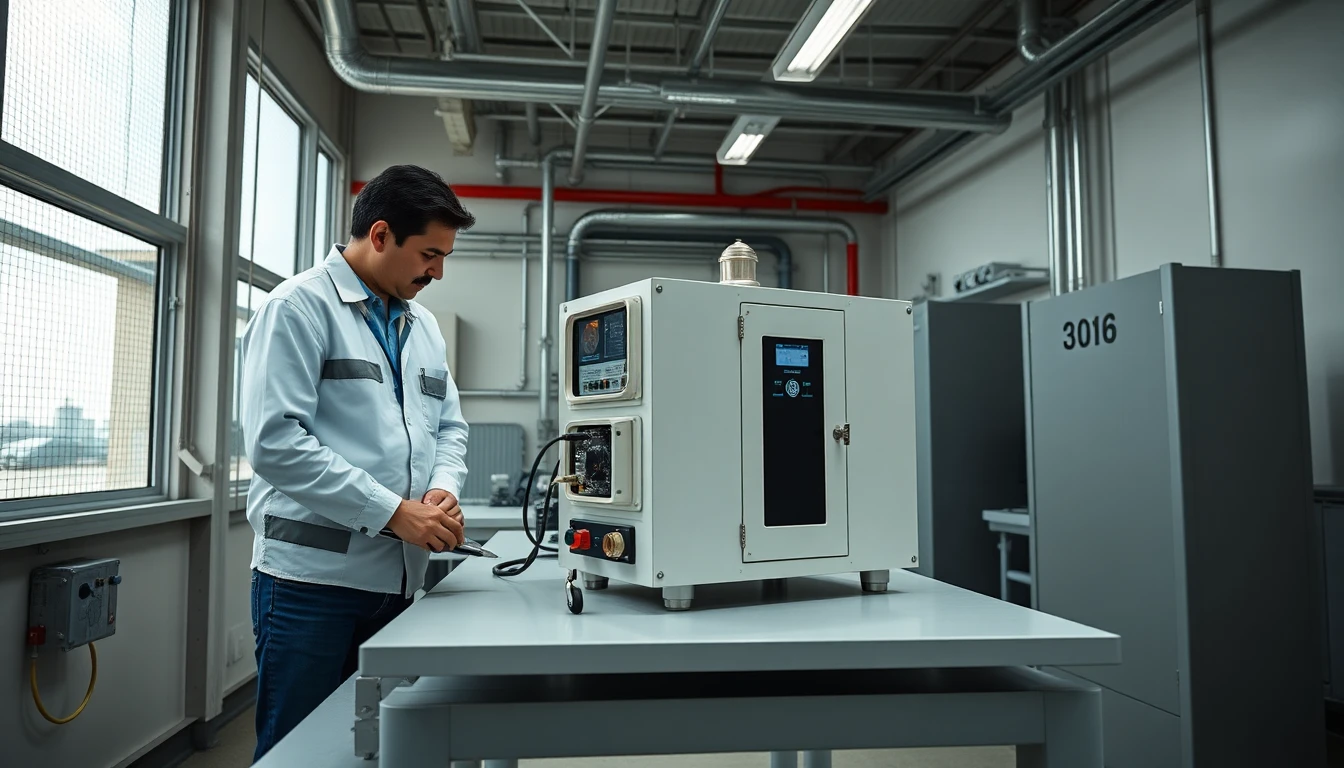
Paraguayan authorities emphasize that the project aims to incorporate new-generation technologies, such as microreactors (up to 30 MW) and Small Modular Reactors - SMRs (up to 300 MW). These modular units, described as compact and safe, are considered solutions to provide firm and constant energy, complementing hydroelectric generation vulnerable to droughts, such as the one that reduced Itaipu's production by 40% in 2024.
According to the minister of the Radiological and Nuclear Regulatory Authority (ARRN), Jorge Molina, microreactors could be operational around 2030-2032, while SMRs would have an implementation timeline of about a decade. The technology is considered suitable for regions like the Chaco, as some models do not depend on large bodies of water for cooling.
The Vice Minister of Mines and Energy, Mauricio Bejarano, projected that installing a nuclear reactor in the country is a medium- to long-term prospect that could take 15 to 20 years. He linked the initiative to strong growth in national electricity demand, which saw increases of 18% in 2024, warning that the current energy surplus could enter a crisis starting in 2030.
Bejarano admitted that the project is in a very incipient phase, with no defined investments or suppliers, and that Paraguay must first complete a rigorous route of 19 milestones in three phases with the International Atomic Energy Agency (IAEA). Vice President Pedro Alliana highlighted that the initial focus of the agreement is on exploring and cataloging the country's uranium reserves, with economically viable deposits in Yuty and Coronel Oviedo.
The US Chargé d'Affaires in Asunción, Robert Alter, stated that the memorandum aims to share best practices, information on technology, and safety and non-proliferation requirements, allowing Paraguay to make "informed decisions" in the future. The agreement is also seen as a strategic boost for education and science in the country, which currently has no trained nuclear engineers.