Paraguay made progress in diversifying foreign direct investment (FDI) in 2025, according to the World Investment Report 2026 by the United Nations Conference on Trade and Development (UNCTAD). Global FDI flows grew by 6%, reaching $1.624 trillion, but distribution was uneven: developed economies received $723 billion (11% more than in 2024), while developing countries saw an increase of only 2%. Latin America and the Caribbean stood out with 14% growth, totaling $188 billion, led by Brazil (+23%), Chile, and Peru, which doubled its flows.
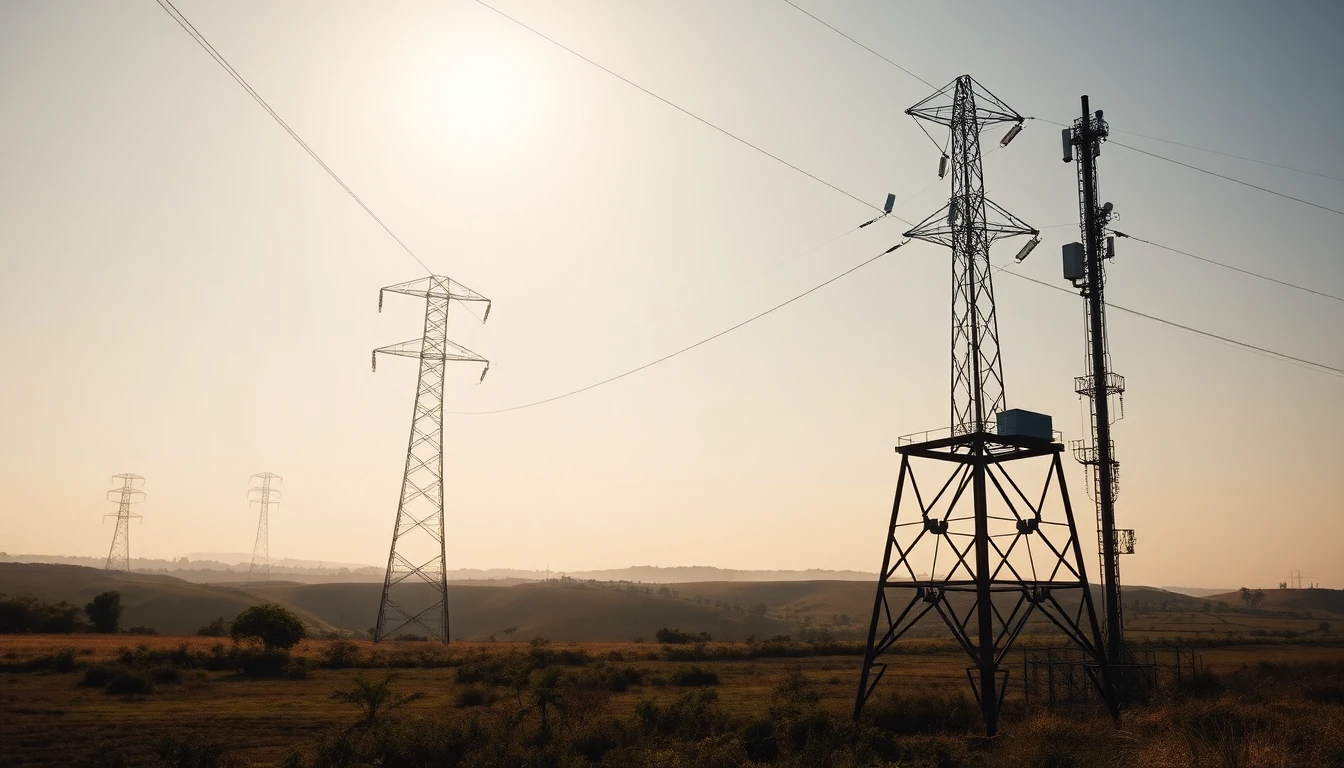
The UNCTAD report highlights Paraguay as one of the landlocked countries that attracted the most external capital, with a 40% increase in investments alongside Bolivia. Greenfield projects—new factories or expansions—totaled $540 million in the telecommunications sector, driven by the availability of cheap hydropower. The document notes that although landlocked economies face logistical challenges, Paraguay has benefited from investments in renewable energy, infrastructure, and technology.
A study by the Central Bank of Paraguay (BCP) and the Latin American Reserve Fund (FLAR) reinforces this trend. Between 2008 and 2024, the country received an average of $590 million annually in FDI, equivalent to 1.6% of GDP. The origin of capital also diversified: from 39 investor economies in 2008 to 68 in 2024. Non-financial services accounted for 44% of cumulative flows, followed by industry (26%), financial services (20%), and the primary sector (10%). Telecommunications, transportation, and real estate activities led investments, with recent growth in information services standing out.
To consolidate this trajectory, the Ministry of Industry and Commerce (MIC) launched the 'Industrial Revolution,' a strategy aligned with the government plan of President Santiago Peña. Minister Marco Riquelme explained that the initiative aims to transform the country's economic mindset, attracting large-scale investments and generating higher-value jobs. "It is not just an economic goal but a rescue of Paraguay's productive capacity to compete globally," he stated.
The strategy is based on three pillars: access to financing for industry, territorial planning, and training of skilled labor. Riquelme criticized the lack of suitable financial products for the industrial sector, in contrast to agribusiness and livestock, and warned that only 40 of the country's 263 districts have territorial planning plans, creating uncertainty for investors. In education, the focus is on training workers for technologically advanced industries.
The MIC also coordinates the Paraguay 2X Economic Acceleration Plan, which aims to double the national GDP. The initiative identifies 27 sectors with competitive advantages, such as energy, logistics, and manufacturing, and includes 400 regulatory and institutional reform actions, involving ministries like Economy, Public Works, and the state energy company ANDE. Riquelme emphasized the need for mechanisms like dollar-denominated electricity tariffs and long-term energy supply contracts (up to 15 years) to enable industrial projects worth $1 billion to $1.5 billion, attracting international financing.
Institutional strengthening, especially of ANDE, is seen as crucial for the next industrial leap. "We need clear rules and stability for Paraguay to become a reliable destination for large-scale investments," the minister said. UNCTAD reinforces that the region's success will depend on the ability to convert natural resources and opportunities in global chains into more stable and diversified capital flows—a challenge Paraguay seeks to overcome with sectoral policies and structural reforms.