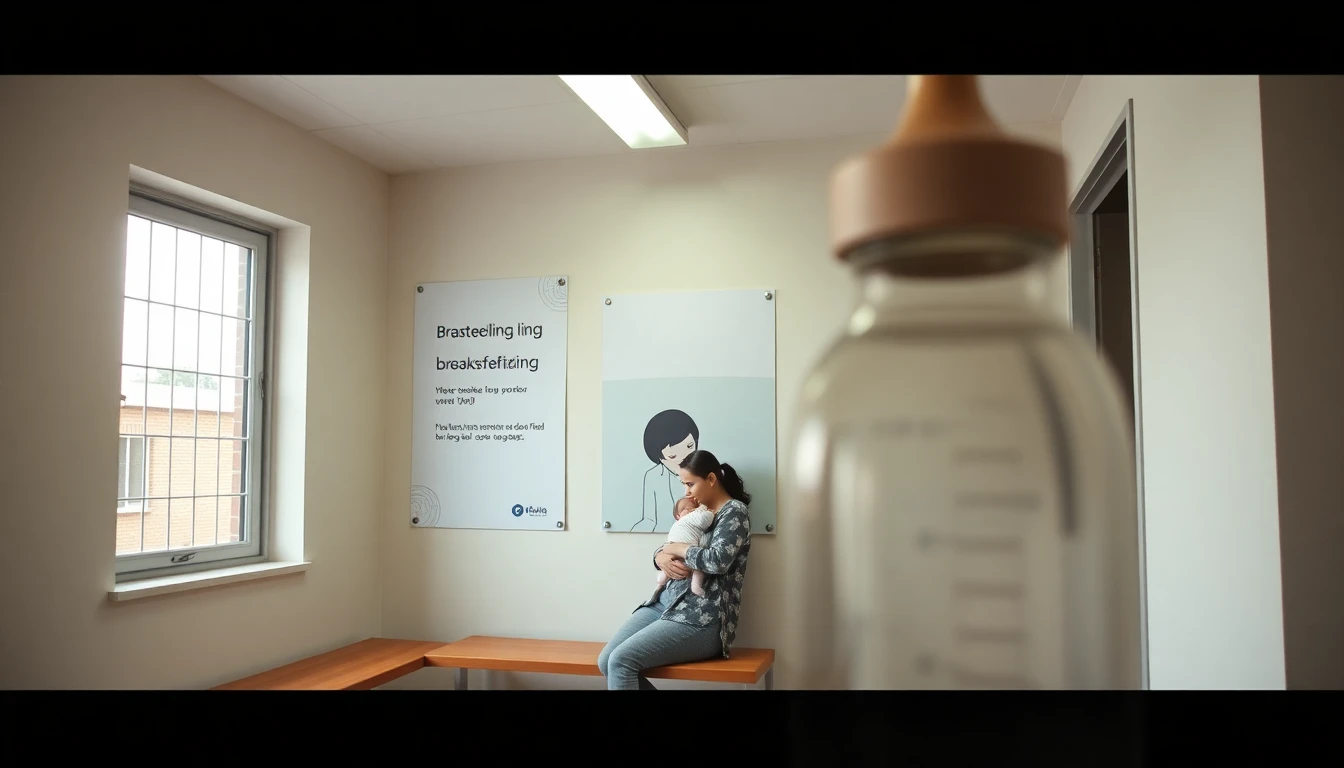
Only three in ten Paraguayan infants under six months receive exclusive breastfeeding, a rate of 31.3% that places the country among those with the lowest prevalence in the region. The data was highlighted by experts during World Breastfeeding Week, celebrated globally from August 1 to 7.
Pediatrician and neonatologist Mirtha Talavera emphasized that breastfeeding goes far beyond nutrition. "It involves a deep interaction between mother and child, with repercussions on the child's nutritional status, their ability to defend against infections, and their emotional and cognitive development," she said. She described breast milk as "a living food that adapts to the needs of each baby," both in health and illness.
The World Health Organization (WHO) and the United Nations Children's Fund (UNICEF) recommend exclusive breastfeeding for the first six months of life, to be initiated within the first hour after birth. The practice is associated with a reduction in diarrhea, respiratory infections, hospitalizations, future obesity, diabetes, and hypertension, and also promotes brain development and gut microbiota.
However, the numbers in Paraguay show a progressive decline. Data from UNICEF's Multiple Indicator Cluster Survey (MICS) indicate that the rate of continued breastfeeding drops to 48.2% by the age of one and plummets to 21% by the age of two.
Sonia Ávalos, Health and Nutrition Officer for UNICEF in Paraguay, warned that the prevalence of breastfeeding in the country represents a priority public health challenge. The difficulties in maintaining lactation often increase with the mother's return to work, exacerbated by a lack of adequate spaces for milk expression and storage and the persistence of cultural barriers.
Among recent institutional advances, the Ministry of Public Health and Social Welfare established the National Commission for the Promotion and Support of Breastfeeding in June 2024, with support from UNICEF. More than 100 lactation rooms have been enabled in public and private companies and institutions, and the Paraguayan Network of Human Milk Banks has been strengthened. From August 9 to 14, the country will celebrate National Breastfeeding Week, with training activities for health professionals.