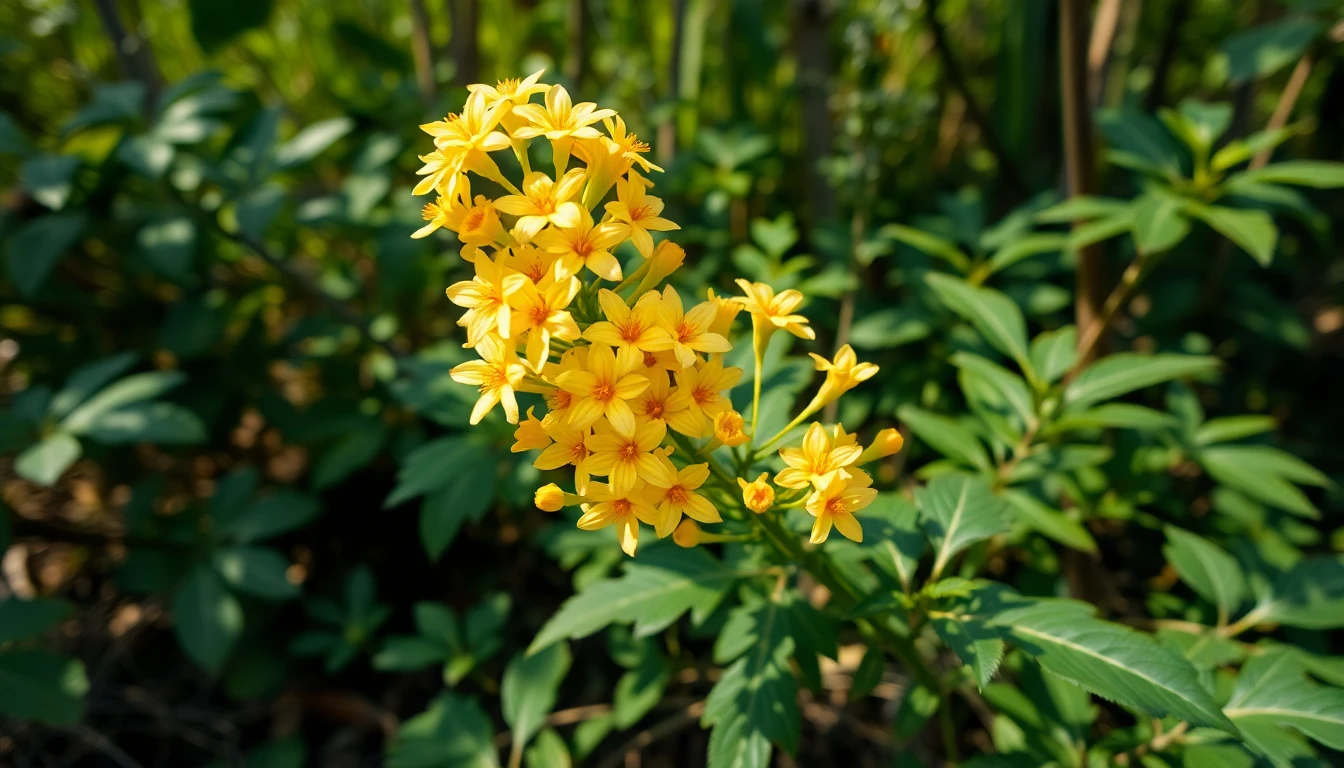
Paraguay is home to 15 taxa in the Manihot genus, which includes cassava (Manihot esculenta), and six of them are endemic, meaning they are found exclusively in the country. Part of this diversity occurs in sandy-soil savannas and the dry forests of the Chaco, environments facing the accelerated loss of native vegetation.
According to the report and the cited scientific literature, these wild relatives of cassava form a genetic reservoir with potential uses in crop improvement, including research into resistance to pests, diseases and periods of water stress. The report and cited literature describe cassava as a staple food for hundreds of millions of people in the Americas, Africa and Asia, and identify South America as the region with the greatest diversity of its wild relatives.
The photographs forming the exhibition and botanical documentation presented in the report, provided by botanist Lidia Pérez de Molas, help document this diversity. Her work also includes the “One Minute of Botany” feature published on social media.
One example was described in 2018 by Juana de Egea Elsam, María del Carmen Peña-Chocarro, Fátima Mereles and Gloria Céspedes in a paper published in the scientific journal PhytoKeys. During expeditions in the Paraguayan Chaco, as part of a research project on wild relatives of economically important crops, the researchers identified Manihot takape, a species that was new to science at the time it was described.
The subshrub has tuberous roots, cream-colored flowers, variable-shaped leaves and long inflorescences. The name takape comes from Guarani and refers to the wooded savanna environment and the plant’s short stature. The species was provisionally classified as “Endangered,” with a distribution restricted to the dry Chaco and an estimated area of occupancy of 28 square kilometers. An editor should verify the provisional category and area-of-occupancy wording against the original taxonomic publication or an authoritative conservation assessment.
According to the implication presented by the sources, habitat destruction can eliminate genetic material before it is studied. The risk may also extend to other little-known native plants whose characteristics evolved under drought, sandy soils and strong seasonal variation in water availability. The report attributes to an agronomist specializing in cassava a recollection that Indigenous and traditional communities preserved more than 20 varieties of the crop; this information requires independent corroboration.
The case of Manihot takape suggests that conservation depends both on protecting ecosystems and on field research, herbaria and knowledge maintained by local communities. When an area of native vegetation disappears, species not yet described and genes that could potentially support food production under increasingly unstable climatic conditions may also be lost.