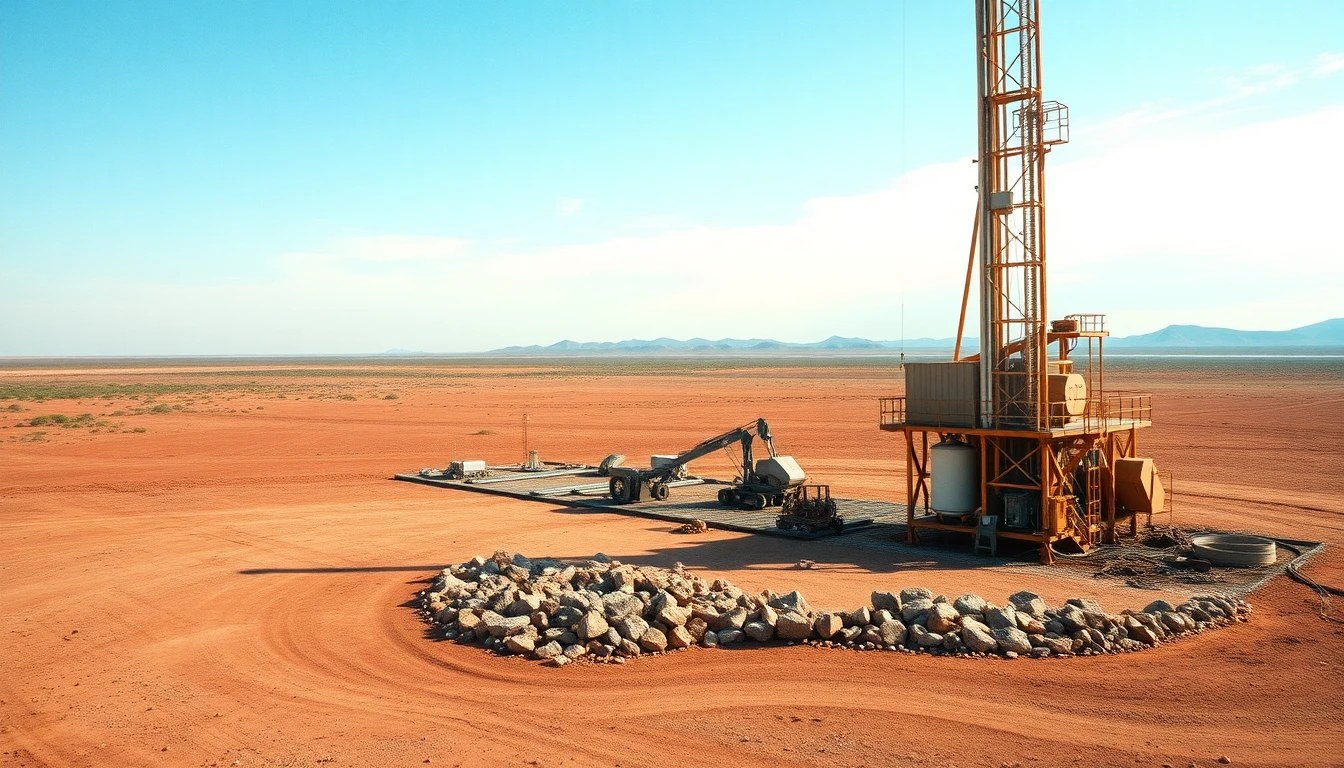
Estimated natural gas potential in the Carandayty Basin, in the department of Boquerón, reaches 70 Tcf (trillion cubic feet), but it has not yet been converted into a proved reserve or commercial production. The assessment was presented by Giuliano Franco, CEO of Zeus Energy, during the event “Electricity for the Continuity of Development in Paraguay.”
Franco said the company had invested just over US$70 million over 10 years of exploration and considers exploration to indicate gas-generating potential beneath the Paraguayan Chaco, in both conventional and unconventional resources. The regional comparison presented by the executive equates the estimated volume to Peru’s proved reserves, seven times Bolivia’s entire historical production and about 10% of the discoveries attributed to Argentina, estimated at 800 Tcf.
The difference between a resource and a reserve is central: Paraguay still needs to prove the recoverable quantity, the technical feasibility and the marketability of the gas. Without that certification, the 70 Tcf remains an estimate of potential, not a guarantee of future supply.
One proposed use is baseload thermal generation, which could provide continuous electricity and strengthen the grid in the Western Region, where the infrastructure of the National Electricity Administration (ANDE), the state utility responsible for Paraguay’s electricity system, is considered fragile. According to the presentation, 1 Tcf could supply a 1,000-megawatt combined-cycle plant for 20 years, or a 2,000-megawatt unit for a decade.
To create a market and help justify the infrastructure before local production begins, the proposal is to start supply with Argentine gas transported through a bi-oceanic gas pipeline. Franco said the first thermal plant would probably use gas from Argentina; the connection would later allow Paraguayan producers to connect their wells and market gas from the Chaco.
The projected cost of generation with Argentine gas in the Chaco is approximately US$80 per megawatt-hour. That is higher than the cost of hydroelectric power from Itaipu and Yacyretá, but thermal generation could offer local stability and diversify the energy mix. Fuel accounts for about 60% of the final cost per megawatt-hour at a combined-cycle plant.
There are also timing constraints. Equipment that previously took about two years for engines and three years for turbines now requires at least three and four years, respectively, plus another one to two years for commissioning, according to the presentation.
Exploration also faces an environmental dispute. Government-aligned lawmaker José Rodríguez has introduced a proposal to restore the exploration rights granted to Primo Cano at the country’s only natural-flow gas well. Activity was suspended after Médanos del Chaco National Park was expanded, and nongovernmental organizations oppose the initiative.