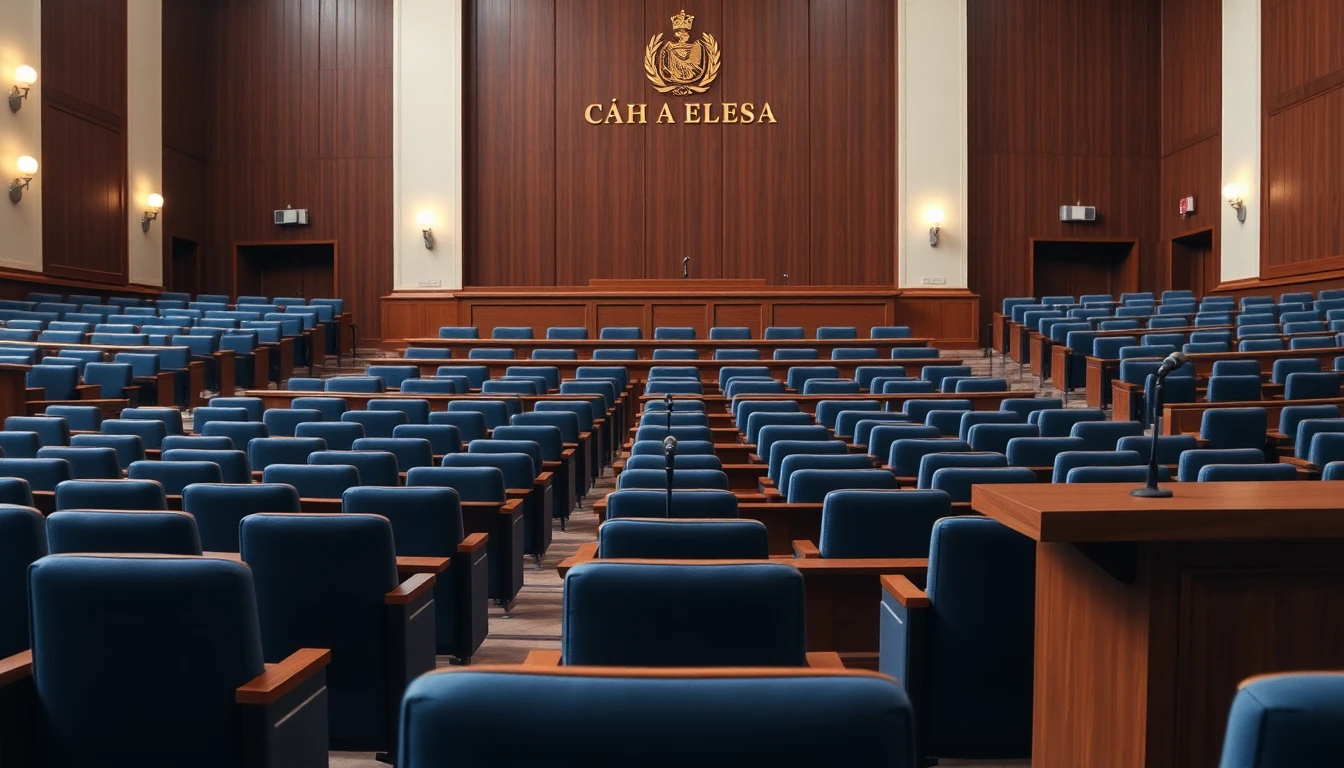
Paraguay's Chamber of Deputies faces severe criticism due to the high level of absences during sessions, despite the million-dollar salaries and privileges granted to parliamentarians. Since March, only 6 of the 38 ordinary and extraordinary sessions managed to exhaust the day's agenda, with 84% of meetings being ended due to lack of quorum.
Deputies receive a monthly salary of G. 37,900,000 (including per diem and representation expenses) and have the obligation to attend only once a week, at Tuesday sessions. However, the house's internal regulations are considered lenient, making it difficult to apply salary deductions for unjustified absences, as would occur in the private sector.
The Legislative Information System (SILpy) of Congress allows any citizen to consult the absenteeism level of each legislator based on project votes. Deputy Carlos Núñez Salinas (ANR, cartista), alternate president of the Latin American Parliament (Parlatino), leads the absence ranking, with 81% absences in votes for which he was eligible.
At the opposite extreme, among those with the lowest absence rates, are deputies Pedro Ortiz and José Domingo Adorno, both from the ruling party bloc. However, physical presence does not always translate into parliamentary productivity. Deputy Fabiana Souto, for example, who took office in August 2023, has not submitted any information requests nor spoken in plenary, even in debates relevant to her department.
In addition to the substantial salaries, deputies have a retirement regime considered privileged. A project under review proposes aesthetic changes but maintains essential benefits: with 15 years of contributions (three terms), a parliamentarian can retire receiving approximately G. 30,320,000, while a private sector worker with minimum wage, after 25 years of contributions, would be entitled to only G. 3,044,000 – a tenfold difference.