President Santiago Peña and Minister of Economy and Finance Óscar Lovera met with seven former ministers of the portfolio to discuss Paraguay's fiscal challenges, focusing on the state's accumulated debt and economic projections for the coming years. The meeting, described by Peña as an "enriching space for reflection," included the participation of Germán Rojas, Benigno López, Manuel Ferreira, Miguel Gómez, César Barreto, Óscar Llamosas, Marco Elizeche, and presidential advisor Juan José Galeano.
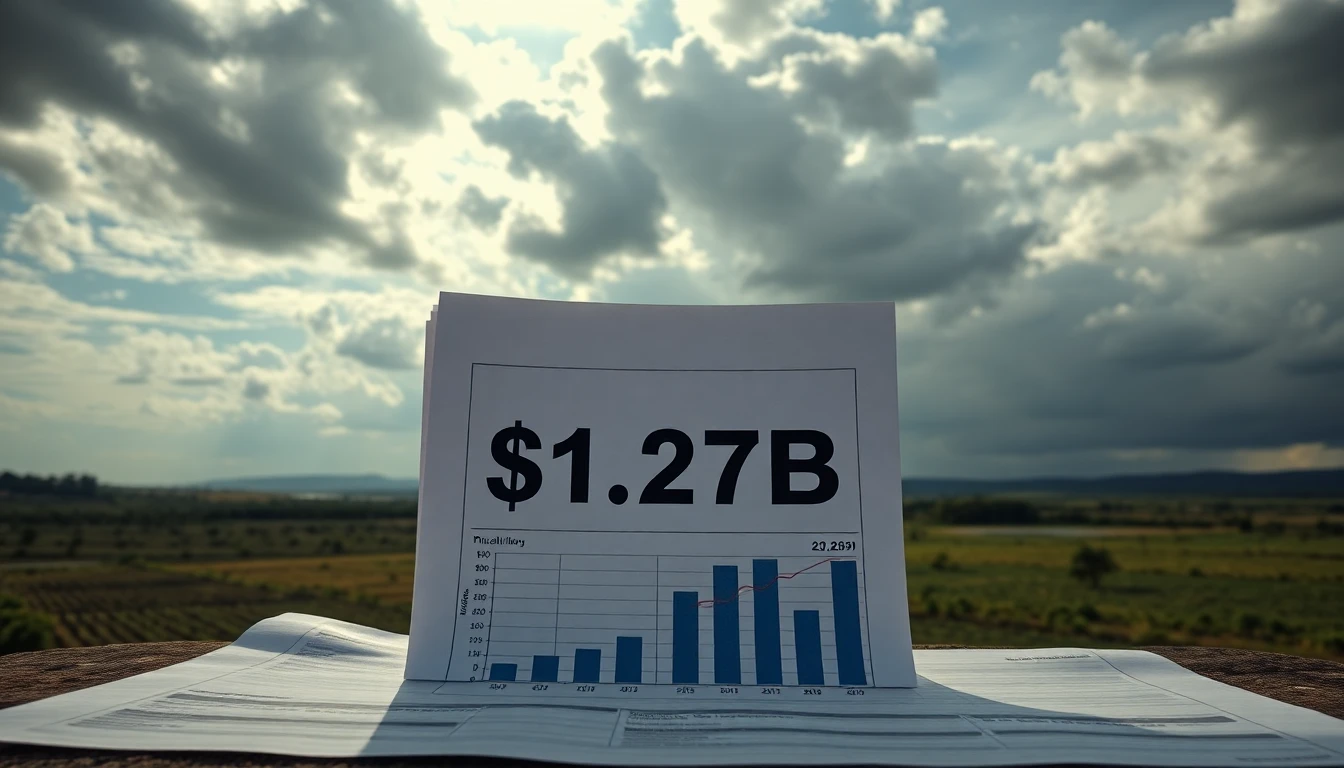
During the meeting, Lovera presented a detailed diagnosis of public accounts, highlighting that the government has identified quantified pending debts of $1.27 billion, mainly with healthcare sector suppliers ($1.05 billion) and public works construction companies ($220 million). An unquantified estimate mentioned by a source suggested that the total pending obligations could reach $2.7 billion, but this figure has not been officially confirmed.
According to former minister Benigno López, the government is preparing a bill to temporarily raise the deficit cap and a convergence plan. The minister confirmed that recognizing these obligations will have a direct impact on the fiscal deficit. The projection for 2026 was revised to 3.2% of GDP, and for 2027, a deficit of 3.9% is expected. Without managing these inherited arrears from the previous administration, the fiscal result would be around 2% this year and 1.9% next year. The goal is to return to the 1.5% limit established by the Fiscal Responsibility Law only in 2028, at the end of the current government.
Former minister Germán Rojas highlighted that the fiscal situation is already being discussed with international organizations, such as the International Monetary Fund (IMF), which has made recommendations to improve the management of public accounts. Manuel Ferreira, another former minister present, argued that transparency about these commitments is essential to strengthen the credibility of fiscal policy.
To address the problem, the government plans to use assignment of collection rights to pay off part of the debts with pharmaceutical companies, with expectations of raising between $400 and $500 million. The remaining balance may be financed through debt issuance or multilateral credits, depending on congressional authorization.
Lovera also said tax revenue had grown roughly 2% through July. The 2026 budget had projected annual growth of 8.5%. In describing the fiscal picture, he also cited the dollar’s decline against the guarani and lower revenues from the binational entities. The Ministry of Economy and Finance will review the tax structure and special regimes but ruled out tax increases or creation of new taxes.
To prevent new delays, the government has implemented the Goods and Services Management System (SIGEVIS), a control tool that allows tracking contracts from signing to payment, ensuring greater transparency in public finances.