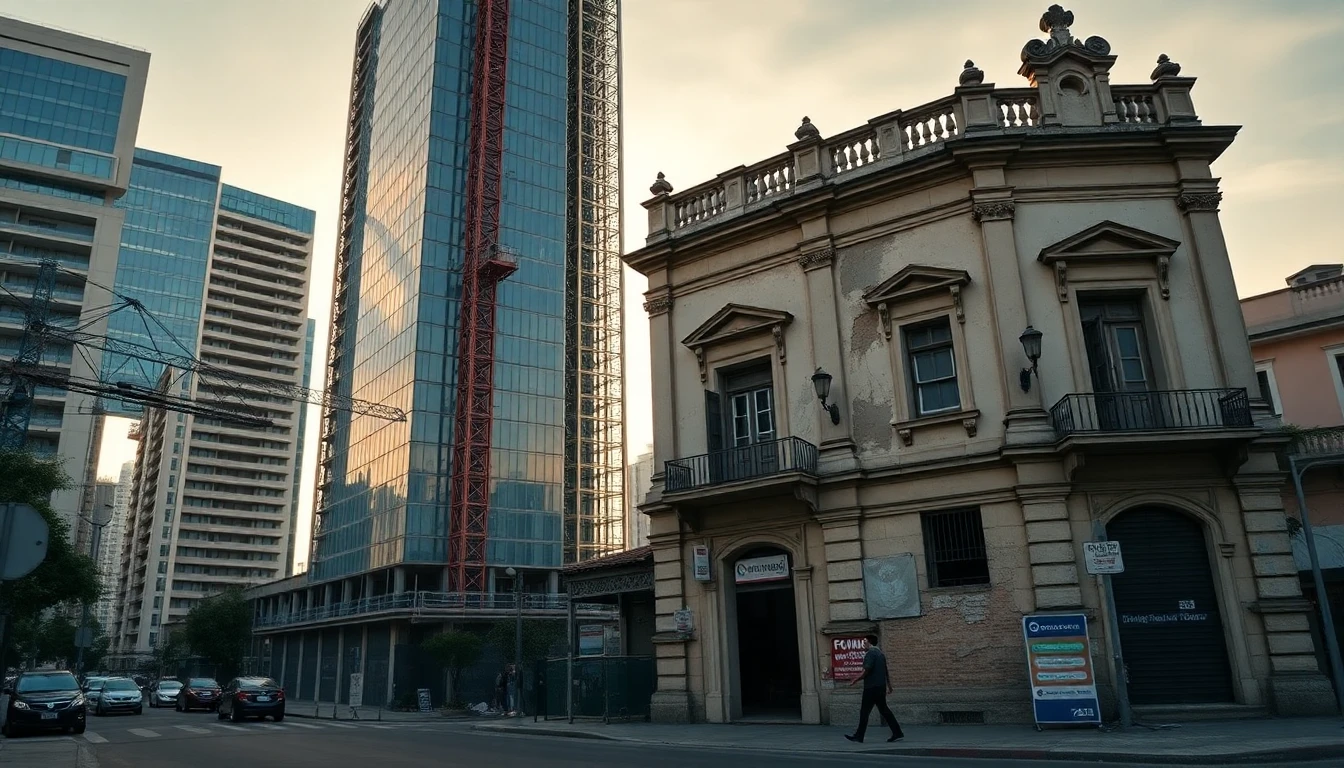
This Saturday, August 15, the city of Asunción celebrates 489 years since its founding, a milestone that reveals deep contrasts between a modern real estate boom and the neglect of its historic center. The Paraguayan capital, home to about half a million inhabitants, sees its landscape transformed by corporate towers while grappling with chronic infrastructure problems and the preservation of its identity.
The city was founded in 1537 by Juan de Salazar y Espinosa, who was part of Pedro de Mendoza's expedition. The founding occurred uniquely, through a non-violent pact with the Cario tribe, which inhabited the region. In exchange for provisions, the Spaniards promised to build a military fort to aid in defense against rival tribes. They fulfilled the agreement and established the "port and stronghold Our Lady Saint Mary of the Assumption." This act made the city the "Mother of Cities," as expeditions departed from there to found other important South American cities, such as Buenos Aires and Santa Cruz de la Sierra.
Currently, Asunción's corporate axis is experiencing a rapid real estate boom, driven by macroeconomic stability and national and international investments. Estimates indicate that between 800 and 1,000 buildings have been erected in the capital and surrounding areas in the last four years, with zones such as Villa Morra, Recoleta, and Molas López concentrating most of the new developments. The sector projects moving about $3 billion in 2026.
However, this growth is not uniform and overwhelms existing infrastructure. The concentration of companies in the capital means that more than 600,000 vehicles and 1.3 million people enter the city daily, causing severe traffic saturation. Residents of developing neighborhoods complain about the lack of parking and pressure on basic services such as energy and water, since areas originally residential were not designed to support such density.
Experts point out contradictions in this development. Architect and former councilman Federico Franco Troche described as "suspicious" the fact that many modern and luxurious buildings remain with high vacancy rates. As early as 2023, it was estimated that only 30% of apartments were occupied, raising questions about market dynamics. A 2025 report by the Argentine outlet La Nación deepened suspicions that a significant portion of the invested capital, especially of Argentine origin, was involved in money laundering operations, an allegation that lacks official confirmation.
Magíster Mauricio Maluff Masi warns that Asunción faces overlapping crises: housing, mobility, municipal finances, environment, and identity. Growth in height has changed the city's appearance but has not been accompanied by adequate urban planning from the municipal administration, making evident the gap between the image of prosperity and the reality of its services and historic heritage.