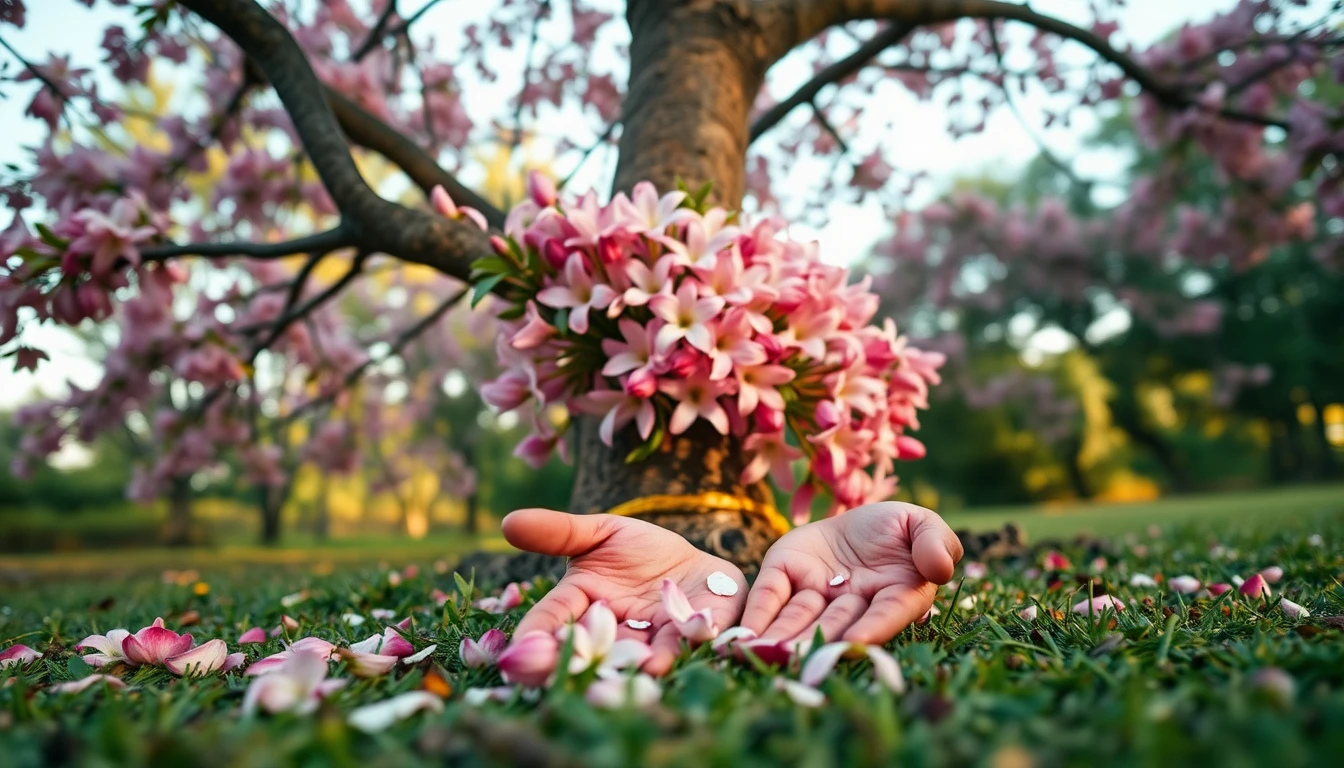
The tajy, popularly known as lapacho, is once again transforming the Paraguayan landscape with its flowers in shades of pink, yellow, white, purple, and even green. More than a visual spectacle, this tree holds a millennial history as a sacred element for the Guaraní people, representing life itself and a deep spiritual connection with nature.
For the Guaraní, the tajy was considered the "tree of life," a source of divine strength. Clemente Cáceres Rodríguez, a researcher of Guaraní culture, explains that by touching the tree, ancestors sought to appropriate the spiritual energy of the creator. Beyond its religious meaning, the tajy functioned as a territorial marker, delimiting borders between tribes to avoid conflicts and serving as a reference for migratory routes.
The emergence of flowers also dictated the agricultural calendar. Cáceres highlights that the flowering of different lapacho species indicated the ideal time for cultivating various products. This natural cycle is closely linked to cultural traditions that endure to this day. The summer flowering, which coincides with the full moon, gave rise to "karu guasu," a great banquet that, with colonial religious influence, transformed into the celebration of Karaí Octubre, held on October 1st to attract abundance.
The tree was fundamental for the material survival of the Guaraní. Its noble and resistant wood was used in the construction of houses, canoes, weapons like bows, and domestic utensils. The medicinal properties of its inner bark were widely used to treat fever, infections, inflammations, and stomach or joint pains. Modern science has confirmed the presence of compounds like lapachol, with anti-inflammatory, antimicrobial, and antiviral properties.
According to Carlos Monges, general director of Biodiversity Protection and Conservation at the Ministry of Environment and Sustainable Development (Mades), there are approximately seven species of tajy in Paraguay, with the most common being those with pink, black, and white flowers. The flowering season varies by species and climatic conditions, creating a sequential spectacle that continues to color the streets, parks, and roads of the country.