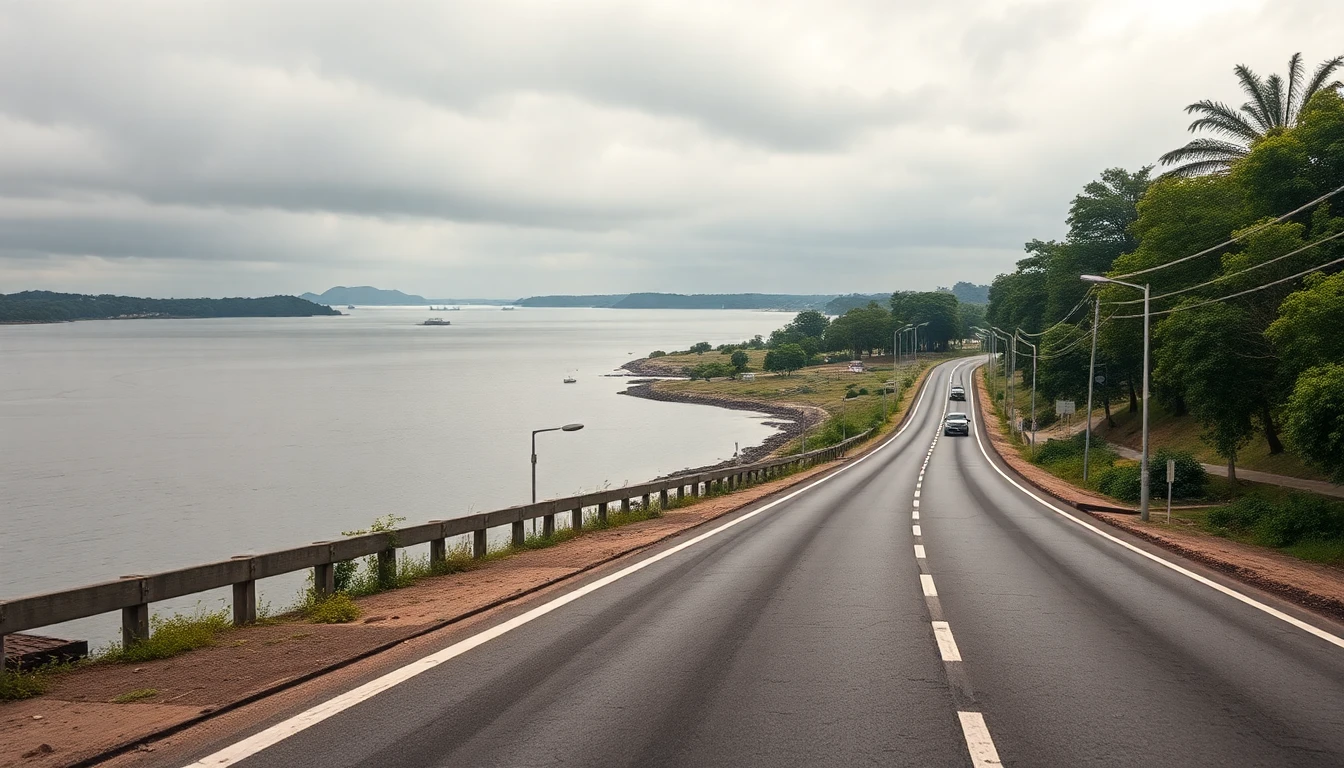
Alberdi marked its 96th anniversary of foundation with a civic, student and military parade attended by students, civil organizations, members of the Armed Forces and residents. Located on the banks of the Paraguay River, opposite the Argentine city of Formosa, the city maintains an identity shaped by border life and commerce.
For decades, the local economy was tied to so-called shopping tourism. Argentine visitors crossed the Paraguay River daily to buy clothing, electronics, household appliances, tires and other goods, generating income for numerous Alberdi families.
This commercial activity has recently weakened because of exchange-rate fluctuations, particularly the devaluation of the Argentine peso against the guarani. The change reduced Argentine consumers’ purchasing power and affected businesses that depend on customers from the neighboring country.
With this flow declining and Argentine purchasing power falling, merchants remain hopeful of attracting consumers from Pilar, Misiones and the Central Department. The road connection linking Alberdi with other parts of Paraguay could redirect part of the commerce toward Paraguayan customers.
For much of its history, Alberdi was considered one of the most isolated communities in the Ñeembucú Department. Separation by the Tebicuary River constrained development and communication with other localities in the department.
A change began in 2021, when paved roads reached the city and established a permanent land connection with the Central Department and Asunción. Later, paving advanced to Pilar, the capital of Ñeembucú, strengthening Alberdi’s integration with the departmental capital and other cities in the region.
The anniversary also highlighted the community’s history and the generations that contributed to its growth. At 96, Alberdi combines its commercial tradition with the need to adapt to exchange-rate changes and the new road-connection landscape.