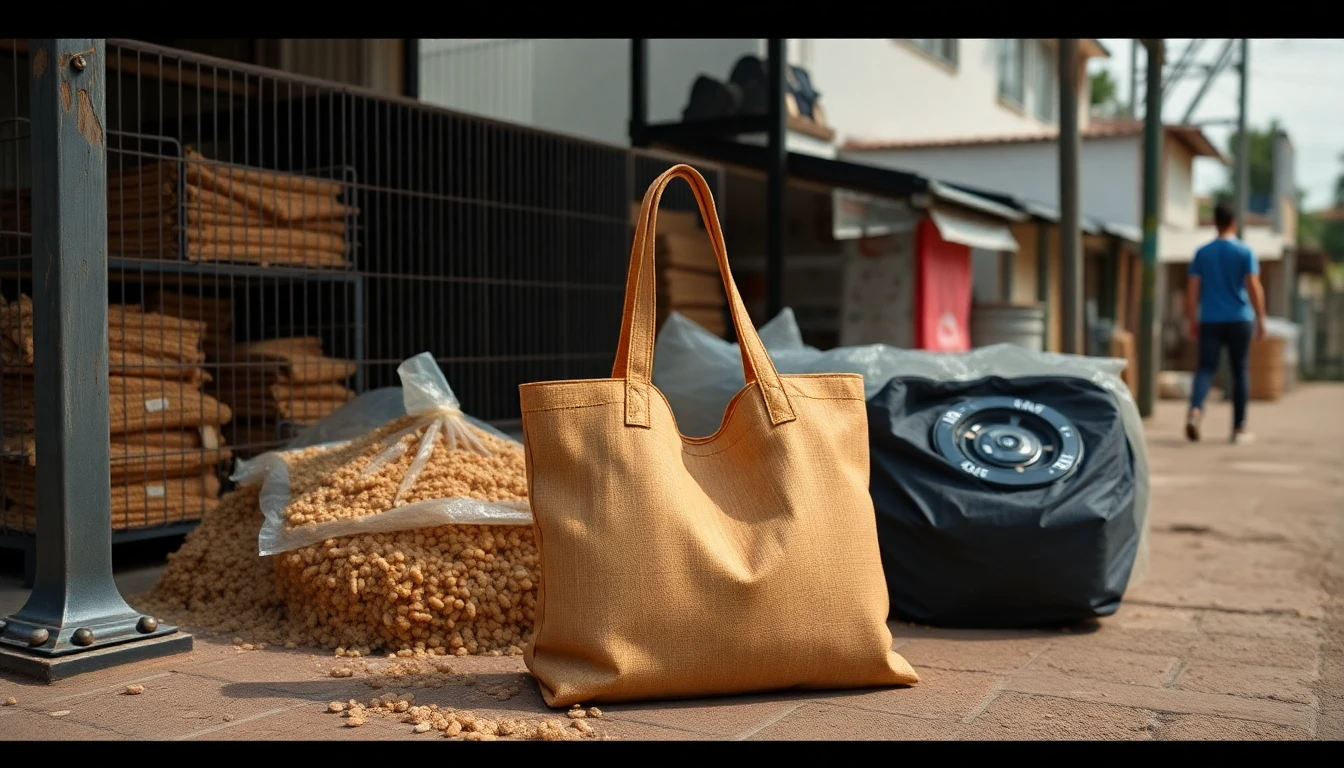
The Paraguayan venture Maigotex turns mango residues into a biomaterial used to make bags, wallets, footwear and accessories. The initiative, created in 2022 by Verónica Alegre and Maura Martí, seeks to partially replace traditional leather and add value to an abundant agri-food residue in the country.
In an interview with La Nación, Alegre recalled: “We started in my kitchen, trying to bring theory and practice together.” The project emerged under the Mipyme Compite program and later advanced with support from the Asunción Circular y Resilient initiative.
To improve the material, the entrepreneurs worked with the National University of Asunción (UNA), Paraguay’s public university, and its Faculty of Agricultural Sciences. More than 1,500 tests were conducted over nearly a year, reflecting an applied-research effort to assess and refine the material.
The raw material is collected mainly between October and January. About 300 grams of mango are needed to produce one square meter of the biomaterial. The fruit goes through drying, dehydration and pulverization, a process that also reduces its characteristic odor.
The material has an estimated durability of between five and 10 years. The Maigotex team and UNA technicians are still working to improve its properties and achieve a lifespan of up to 15 years. The current durability therefore limits some potential applications, while the 15-year target could broaden its use in fashion and accessories.
The proposal combines residue utilization, applied research and local manufacturing. In practice, remnants of a seasonal fruit are converted into a higher-value input, creating a Paraguayan alternative for products that normally use conventional leather or synthetic materials.