Nearly 150 Argentine brands have opened establishments in Paraguay, driven by an economic landscape that offers tax advantages, monetary stability, and annual franchise sector growth of between 15% and 20%. The expansion is seen as a strategy for risk diversification and revenue generation in a strong currency, the Guarani.
The Paraguayan business climate is supported by pillars such as the simplified tax system known as "Triple 10," which sets rates of 10% for VAT, Corporate Income Tax (IRE), and Personal Income Tax (IRP). The stability of the Guarani and competitive operational costs, such as cheap electricity and a young workforce, allow for a return on investment within periods ranging from 24 to 36 months.
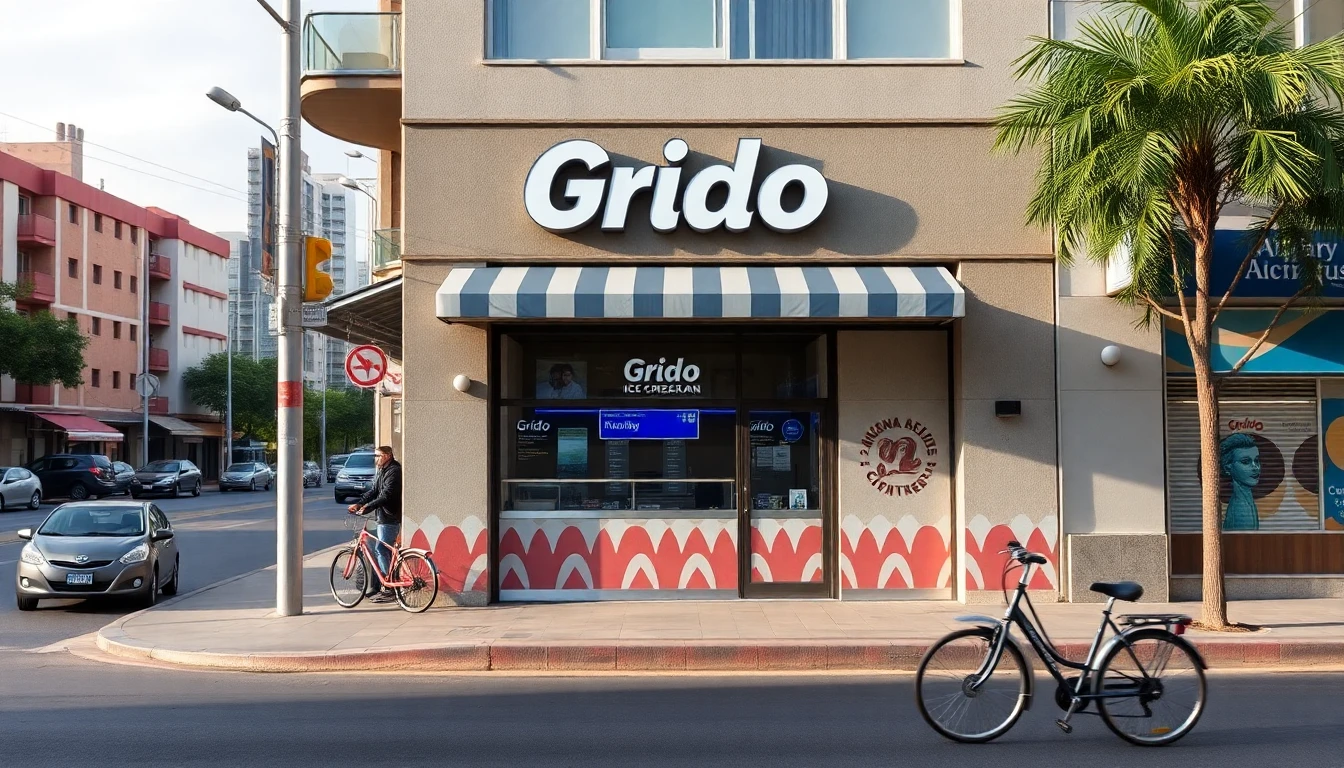
Brand penetration occurs through different business models. Large local corporations acquire exclusive rights as master franchises for brands like Mostaza and Café Martínez. Other investors opt for multi-unit formats to operate several stores in specific regions, while low-cost models, such as the Grido ice cream chain and Eddis Educativa, facilitate rapid expansion into inland cities like Ciudad del Este, Encarnación, and Coronel Oviedo.
Initial investment amounts vary significantly. Grido, for example, requires capital between $20,000 and $35,000, plus an entry fee of up to $3,000. Café Martínez requires an investment in construction and equipment between $160,000 and $175,000. At the top is Mostaza, with costs that can exceed $700,000 for drive-thru formats, including an entry fee of up to $60,000 and monthly royalties of 6% on revenue.
This economic integration creates synergies: Argentine companies contribute operational know-how and brand value, while Paraguayan partners contribute capital, local management, and market knowledge, creating a mutually beneficial relationship for the consolidation of these franchises in the country.