ATOME PLC notified the Paraguayan state on September 17 of its intention to submit to international arbitration a dispute related to the Villeta Project, estimated at $665 million. The notice, sent through the law firm White & Case LLP, is not yet a formal arbitration action: it begins the 90-day consultation period provided for under the Bilateral Investment Treaty between Paraguay and the United Kingdom.
The company is challenging the repeal of executive decrees that supported the regulatory, tariff and term conditions of the power purchase and sale agreement signed with ANDE, Paraguay's state electricity utility. ATOME says the change removed an essential basis for commitments made to investors and financiers and affected the project's economic viability.
The breakdown in negotiations was confirmed by ANDE President Miguel Báez Reyes. The impasse involves the supply model: only one-third of the project's demand would be covered by solar power, while the remainder would depend on hydroelectricity supplied by the state utility under a fixed tariff. ANDE estimates that generation costs could gradually rise to $50 per megawatt-hour in 2043, an argument used to question the sustainability of a frozen price.
The power contract set a tariff of $30/MWh for ATOME. The criticism from the ANDE Workers' Union (Sitrande), published by ABC Color, contrasted that figure with a proposal from artificial-intelligence company Imperium, which would offer $70/MWh and bring payments forward by five years. The comparison is one basis for the union's accusation that the agreement with ATOME would represent a large subsidy, but it does not in itself constitute an official decision on the economic advantage of either proposal.
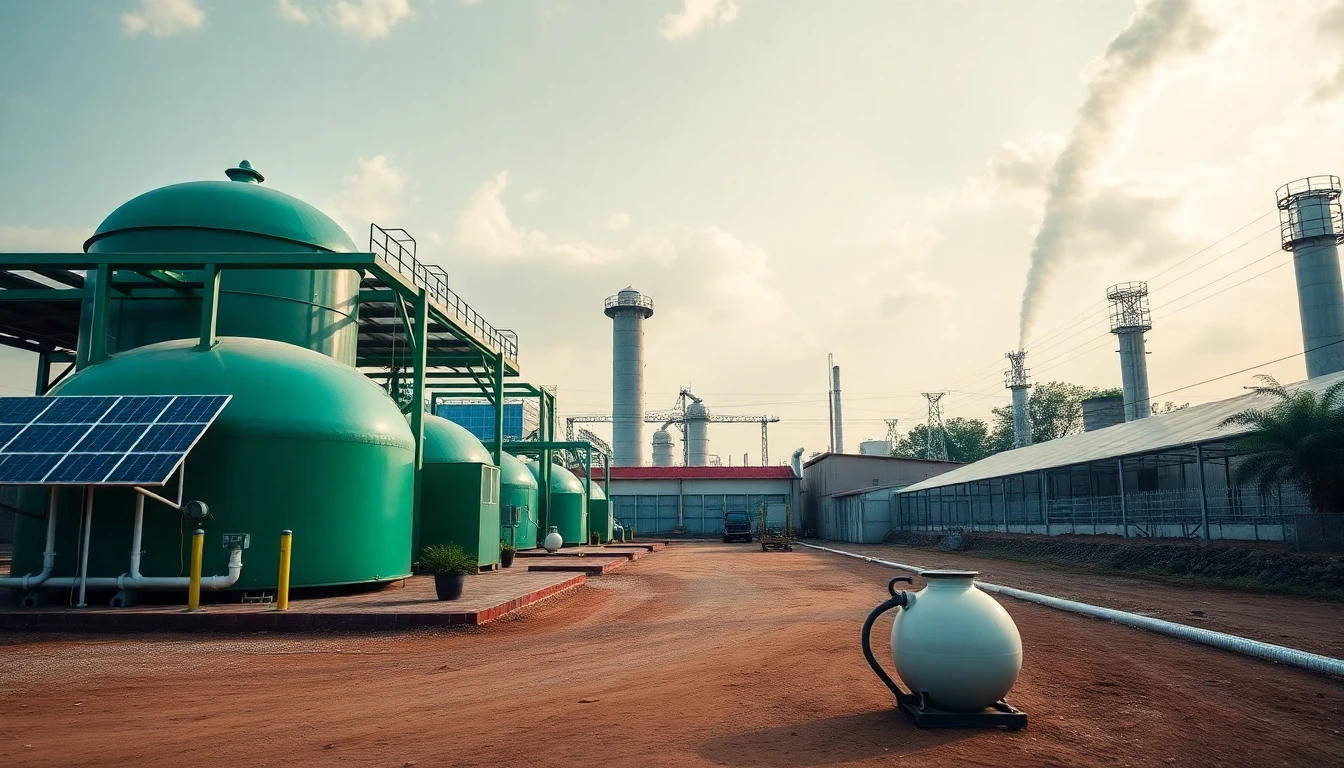
Industry and Commerce Minister Marco Riquelme defended a 15-year commercial contract, while ATOME structured the project around long-term commitments. The initiative includes a plant for producing hydrogen, ammonia and low-carbon fertilizers, with about 4,000 construction jobs and more than 1,000 permanent operating positions.
The financial structure includes commitments from IDB Invest, the private-sector arm of the Inter-American Development Bank, the International Finance Corporation of the World Bank Group, the European Investment Bank, the Green Climate Fund, the Dutch entrepreneurial development bank, the German Investment Corporation, Impact Fund Denmark and Hy24. Baker Hughes, Schroders and Casale S.A. also appear as partners. The company has also signed a 10-year contract with Yara International to purchase the entire output of green fertilizers.
ATOME says an independent assessment estimated possible losses in the hundreds of millions of dollars. That figure is not a formal claim, has not been validated by an arbitral tribunal and does not necessarily represent the amount that would be sought in proceedings.
If no agreement is reached within 90 days, the company may file a claim with the International Centre for Settlement of Investment Disputes (ICSID), an institution affiliated with the World Bank. The company's stated priority remains a negotiated solution that would allow construction in Villeta to resume, but the dispute is already putting pressure on decisions about the use of Paraguayan electricity and commitments made to attract foreign capital.