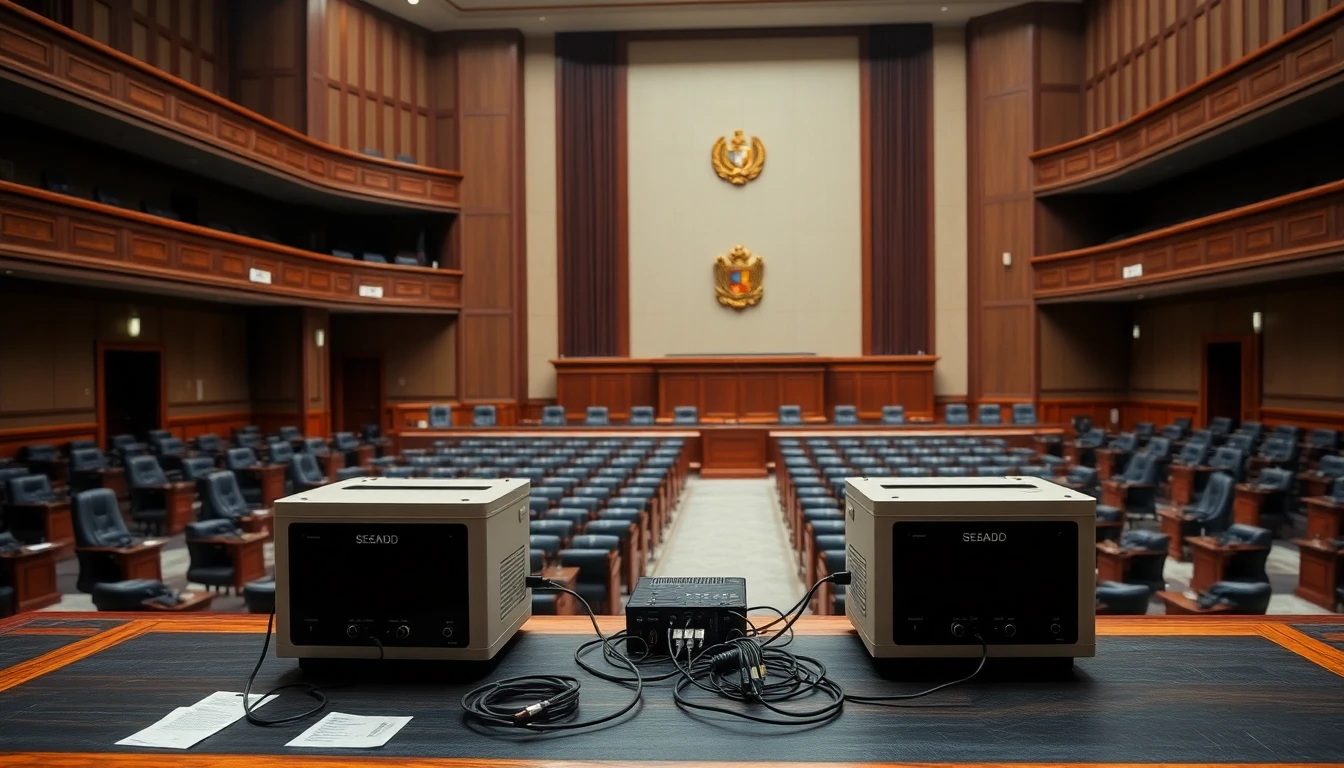
The Paraguayan Senate lacked a quorum and could not vote on a request to obtain two voting machines from the Superior Court of Electoral Justice (TSJE) and subject them to a technical audit before the October 4 municipal elections. The proposal, introduced by Senator Ever Villalba of the Authentic Radical Liberal Party (PLRA), remains undecided.
The session was emptied after senators from the Honor Colorado movement, the Cartista faction of the Colorado Party, and their allies left the chamber. Basilio “Bachi” Núñez, president of the Senate and Congress, defended the walkout and described the initiative as untimely, arguing that the electoral calendar is already under way. Derlis Maidana also called the request “unfounded and outrageous.”
Villalba says he identified records from internal elections of the PLRA and the National Republican Association (ANR), the Colorado Party, showing zero votes at polling tables that, according to records published by the TSJE, did have voting. The senator says he is treating the case as a possible error, not as proven fraud: “We need an audit to talk about fraud.”
The bill provided for a broad analysis of the equipment, including the operating system, firmware, libraries, drivers, applications, cryptographic modules, third-party components, versions and licenses. It also proposed tests before and after the election, with public participation by technicians, experts and academics.
On February 2, the TSJE began a hardware and software audit of the machines with technical representatives of political organizations, and it also conducted a review requested by the ANR before its internal elections. Villalba maintains, however, that these procedures did not address the questions raised by the records and says he was not invited to the audits and was unable to include the technicians he nominated.
Rafael Filizzola supported the new review and said it was not intended to alter the system established by law or prevent the machines from being used. Eduardo Nakayama took a more cautious position and said isolated cases do not make it possible to conclude that fraud occurred. Dionisio Amarilla, a liberal senator aligned with Cartismo, criticized Villalba for previously supporting funds to rent the equipment.
Amarilla said the rental would cost US$33 million, while printing paper ballots would have an estimated cost of US$3 million. He presented the figure during the debate, and it does not by itself resolve the technical dispute over the machines. Because of the lack of a quorum, the Senate issued no further decision on the audit.