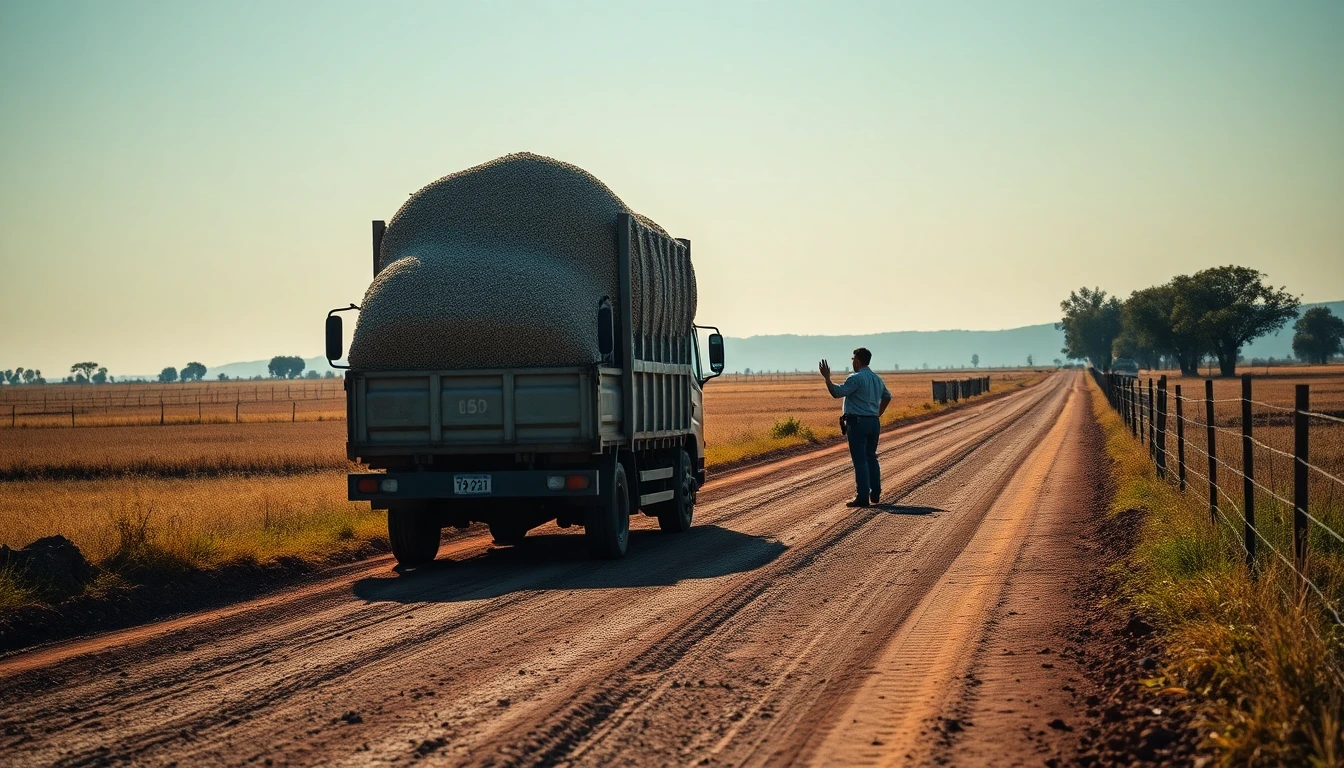
The price of chia in Paraguay has plummeted nearly 50% compared to last year, falling from about G. 12,000 to approximately G. 6,000 per kilogram. Farmers in the departments of Canindeyú and San Pedro attribute the drastic drop to alleged massive smuggling of the product from Brazil.
According to the producers, Brazilian chia enters mainly through the Ypehú region in Canindeyú and saturates silo capacity, displacing national production and driving down prices. Eustaquio Vera, one of the affected farmers, highlighted that the product is sold at a significantly lower price in Brazil, which would incentivize its irregular entry into Paraguay.
The producers question the effectiveness of controls on Route PY13 between Curuguaty and Ypehú, alleging that trucks loaded with supposedly Brazilian chia circulate normally, even in the presence of officials from the National Directorate of Tax Revenue (DNIT).
DNIT, for its part, denies the existence of proven smuggling in the area. Officials from the tax authority explained that they inspect the documentation of transported goods and that if trucks present corresponding invoices, they cannot prevent their circulation. However, they acknowledged that this procedure does not allow them to determine with certainty whether the chia was grown in Paraguay or previously entered from Brazil.
Faced with the crisis, farmers warn that at current prices, they will hardly cover production costs—including soil preparation, seeds, inputs, machinery, and transportation. They have already begun talks to join forces and do not rule out mobilizations if they do not receive an immediate response from authorities. They demand stricter controls, effective action against smuggling, and measures to restore a fair price for Paraguayan production.
If the situation persists, many producers may end the season with significant losses and abandon chia cultivation in the next cycles.