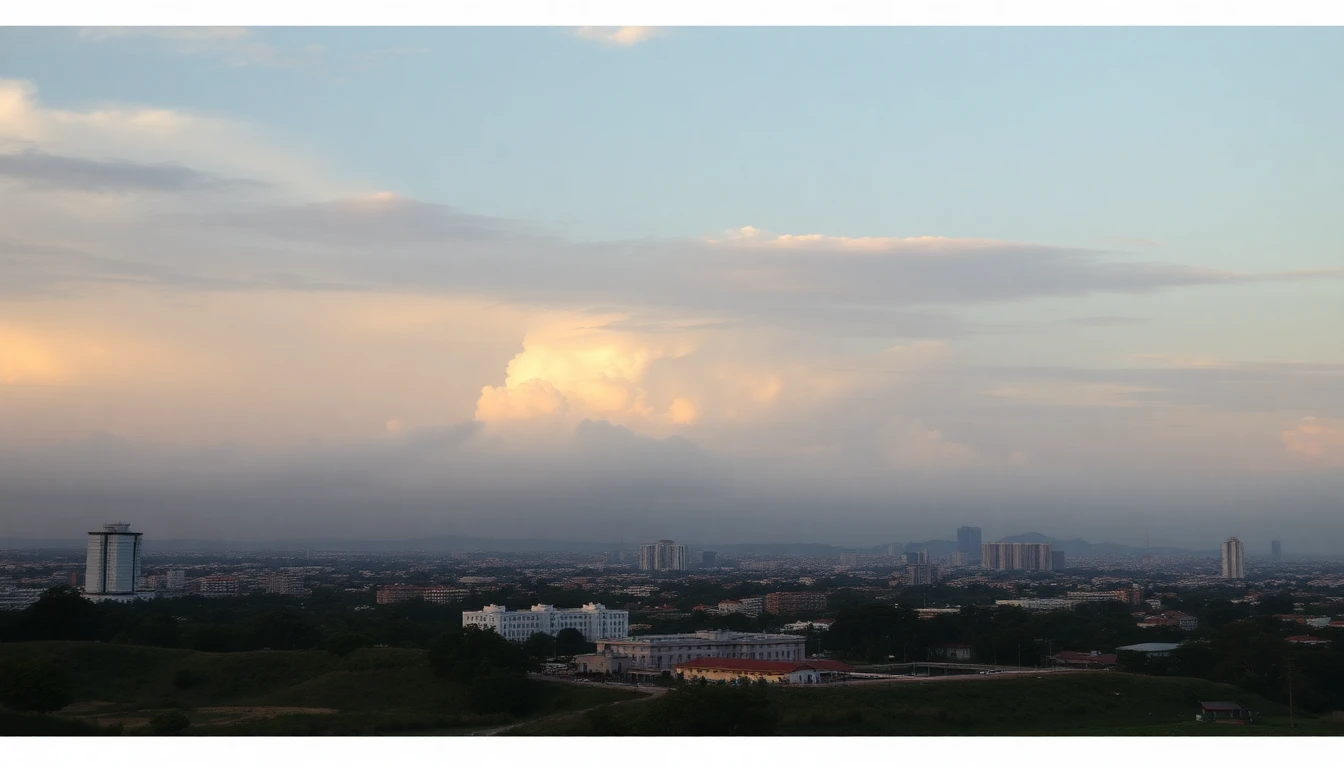
Paraguay is not a country to be completed as a collection of compulsory stops over a long weekend. Visitors who try to find the capital, UNESCO sites, a river, crafts, wilderness and “authentic” village life all at once usually get long drives and shallow encounters. A better question is not: what must I see? It is: which part of the country do I want to understand?
Three journeys offer different answers. Asunción explains the present of a river capital. The south connects the Paraná, Encarnación and the Jesuit missions to a colonial history that does not end at the ruins. The Chaco makes distance, landscape and logistics part of the subject. Each route needs time; none is simply a shorter version of another.
Asunción: read the city through its calendar
Asunción is easy to misread. In intense heat, and with neighbourhoods set far apart, the city can seem quiet during the day. That is not evidence of cultural emptiness. The centre, riverfront and cultural venues work less like a sealed open-air museum than through programmes: an exhibition, concert, film night, fair, match or meal that brings people together on a particular evening.
Let the calendar shape the walk. Casa de la Independencia, Manzana de la Rivera, the historic-centre squares and the Costanera make sense as one route when there is at least one current reason to be there. The Secretaría Nacional de Cultura and the venues themselves publish programmes; they are more useful than an old top-ten list. Check opening times and dates before setting out, especially around holidays.
The city is also legible through its fractures. Government buildings, vacant houses, restoration, traffic, commerce and newer cultural spaces stand close together. That is not a failure of scenery; it is the material of the route. A visit improves when it does not pretend that the centre is an immaculate colonial set.
The question changes again after dark. Restaurants, small stages, football, bars and public events are not concentrated in one nightlife district. Copying an address from social media without checking the day, time and way home is poor planning. Choosing one specific event and then moving on by foot or reliable transport is a way to experience a city rather than consume a sight.
The south: the Paraná and the missions need more than a photo stop
In southern Paraguay, the Paraná changes the scale. Encarnación’s waterfront, beaches and Costanera belong to the present; the Jesuit Missions of La Santísima Trinidad de Paraná and Jesús de Tavarangue lead into another period. Both have been on UNESCO’s World Heritage List since 1993. They preserve architectural and urban remains of reducciones from the seventeenth and eighteenth centuries.
For that reason, they should not be treated as European church ruins in a tropical setting. The sites emerged from a colonial project of Christianisation and acculturation that involved and affected Guaraní communities. Architecture, music, labour, coercion and cultural survival belong to the same history. UNESCO describes an interaction of Indigenous and Christian elements at the sites; that is a starting point for questions, not a finished verdict.
Trinidad and Jesús are close enough to share a day, but the route is stronger when it is not squeezed between two long drives. An overnight stay in the region leaves time for the waterfront, a museum, a meal and smaller towns on the mission route. Night programmes or guided visits may be available, but they are not standing promises: confirm them and reserve where necessary.
The south is not a beach-and-stone checklist. It shows how river, border, summer city, agriculture and colonial history sit alongside one another. A photograph of a façade alone misses that connection.
The Chaco: distance is part of the experience
The Chaco is often sold as a day trip or misunderstood as empty space between Asunción and Bolivia. Both ideas are wrong. Dry forest, palm savannah, wetlands, war sites, Mennonite colonies and Indigenous territories occupy a region where roads, heat, water levels and fuel availability determine the itinerary.
That does not make the Chaco “untouched”, nor a backdrop for adventure photographs. It is an inhabited, economically used and ecologically sensitive region. In northern Alto Paraguay and towards the Pantanal in particular, seasonal conditions decide what can be reached. Before departure, obtain current information about roads, weather, fuel, accommodation, communications and, where needed, guides. A rental car alone is not a plan.
Visits to Indigenous communities are not attractions to approach without notice. They require an invitation or an arrangement led or authorised by the community. The same applies to photographs and location sharing. Respect is not a general claim to seek “authenticity”; it is consent, payment for agreed services and willingness to accept no as an answer.
National parks and protected areas managed by the environment ministry, MADES, are not freely accessible background scenery either. Access can change because of fire risk, flooding, works, staffing or conservation rules. Contact the responsible authority shortly before travel and follow instructions on site.
Craft and food: ask rather than decorate
Ñandutí lace, Ao-po’i textiles, ceramics, leatherwork, woodwork and Indigenous art are not one uniform category called a Paraguayan souvenir. They have makers, materials, regions and histories. Ask about origin and technique, and do not automatically bargain down the stated price. A workshop visit or class can be worthwhile when it is genuinely offered; arriving unannounced at a private home is not.
The same is true of food. Chipa, mbejú, sopa paraguaya, vori vori, river fish and tereré are not obligatory words for a travel photograph. They speak of maize and cassava, cattle, rivers, family cooking and migration. A market, bakery or simple restaurant can explain more than a menu designed to display everything at once.
An honest planning guide
For a first visit, one of these choices is usually better than an overloaded circuit: several days in Asunción with a current cultural programme and an outing to Cordillera or Paraguarí; a southern route with Encarnación and the missions; or a properly prepared multi-day Chaco trip. With two weeks, two journeys can be combined. With four days, it makes no sense to pretend that all of Paraguay is within reach.
Before any leg, ask five questions: Is the place open that day? Do I need a reservation, permission or guide? How do weather and season alter the route? Are the vehicle, fuel and communications adequate? And am I visiting as a guest, or using people as scenery?
Paraguay’s appeal is not that it copies its neighbours with a bigger spectacle. It lies in the connections between river and city, craft and daily life, landscape and history. Following one of those connections deliberately offers more than a list of attractions.