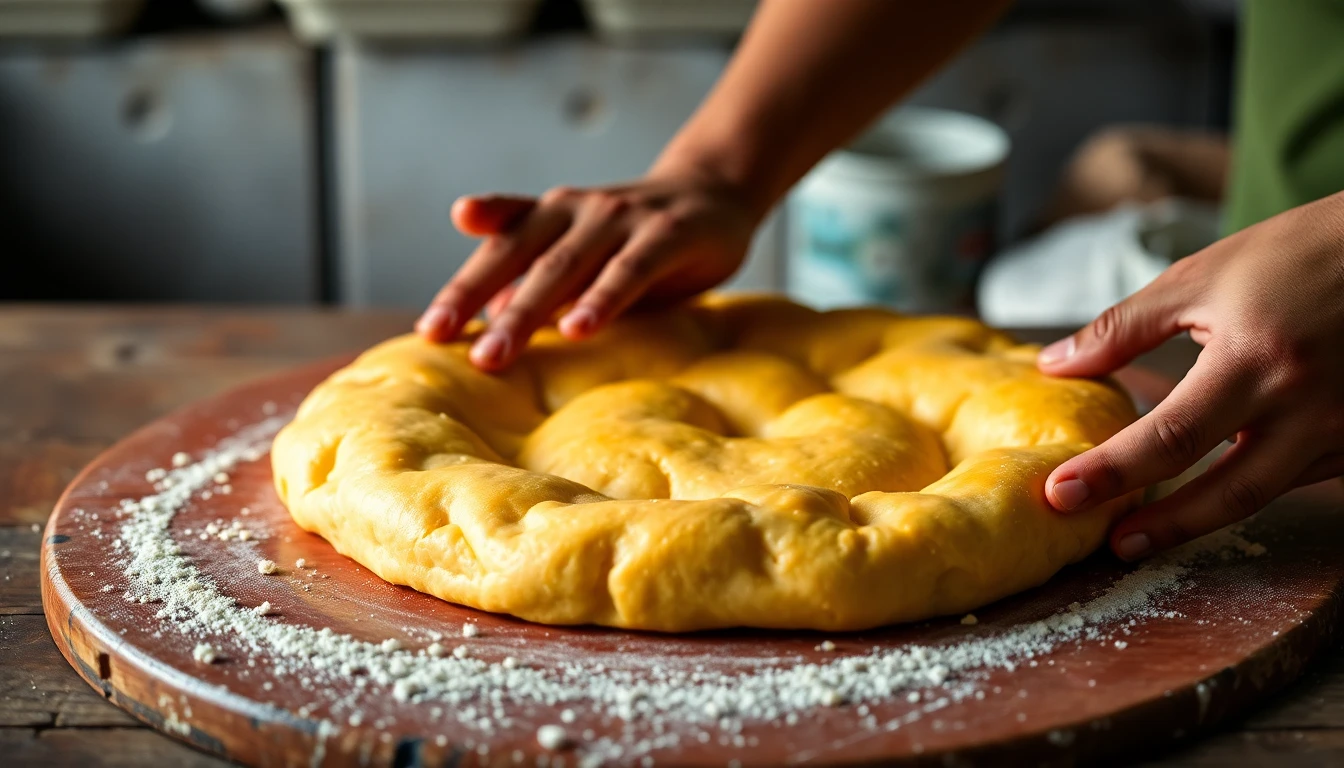
A post attributing chipa’s origin to Argentina has rekindled a long-running cultural dispute with Paraguay. The content, published by the Formosa-based outlet Sala de Prensa Formoseña, says that precursors to the preparation may have emerged in Itatí, in Corrientes province, and cites records said to date back to 1528. These claims, however, have not been independently corroborated.
The material cites Griselda Aquino, an architect and cultural and environmental manager, who says that the navigator Sebastián Gaboto encountered mbeju in the territory of Itatí, an ancestral preparation made with cassava dough, animal fat and water, baked on pottery. The hypothesis presented is that the later incorporation of eggs and other European ingredients contributed to the form now known as chipa.
The publication prompted a strong reaction from Paraguayans on social media, who claimed chipa as a national symbol. The discussion concerns a culinary tradition shared across a region historically linked to Guaraní culture, making it difficult to attribute the origin of the modern preparation to a single territory based solely on one publication or on historical references that have not yet been presented in full.
In Paraguay, the National Institute of Food and Nutrition (INAN), an agency linked to the Ministry of Public Health that guides food policy, said in material published on March 30, 2021, that the Cario Guaraní people were already preparing, during the colonial period, a food similar to a starch-based bread associated with mbujape. This reference supports the existence of Indigenous precursors to chipa in Paraguayan territory, but it does not rule out the possibility of related variations and preparations in other parts of the region.
Paraguayan law gives chipa official recognition: Law No. 5267/2014 declared it Paraguay’s National Food. The preparation was also recognized as Intangible Cultural Heritage by the National Secretariat of Culture. These measures establish its cultural and institutional status in Paraguay, but do not, by themselves, constitute conclusive proof of the historical origin of all related recipes.
The current controversy therefore combines national heritage, Guaraní memory and interpretations of colonial documents. Until the cited historical records and independent assessments are presented, the claim that “chipa is Argentine” should be treated as an unsubstantiated assertion, not as an established historical conclusion.