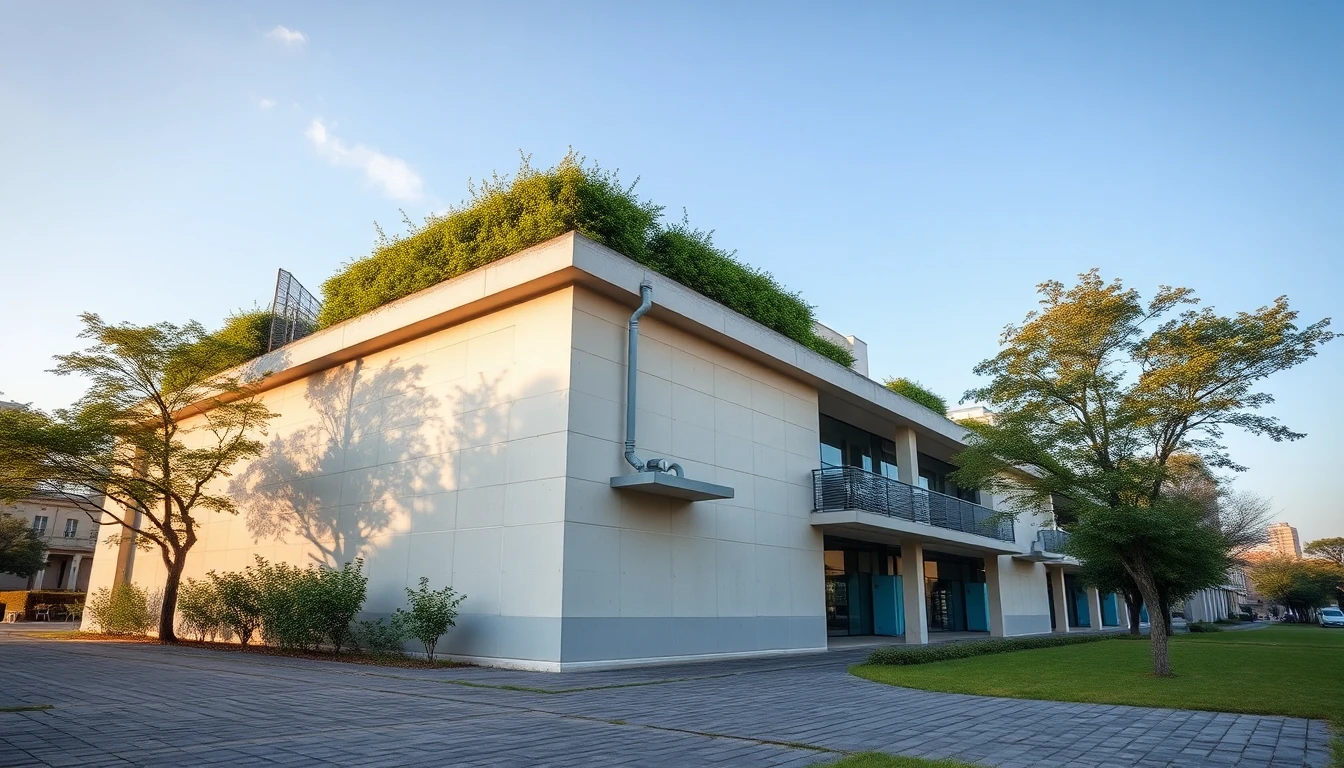
Despite the abundance of water resources in Paraguay, water is not an unlimited resource, warned Luis Silvio Ríos, architect and professor at the Faculty of Architecture, Design and Arts of the National University of Asunción (FADA-UNA). During the XV Regional Congress of Technology in Architecture (CRETA), held at FADA-UNA, professionals argued that sustainable architecture is a crucial response for preservation, promoting water conservation and reduced energy consumption.
Ríos explained that the so-called "water culture" goes beyond adopting water-saving technologies, also involving how society values the resource. He highlighted that, unlike the Chaco region, the greater water availability in the Eastern Region can create a false perception of inexhaustibility. "Water is a precious resource across the planet. There are many countries that only have water for essential needs," he stated.
Among the solutions presented are architectural systems that allow for the temporary retention of rainwater during storms, favoring its subsequent controlled drainage or infiltration into the soil, which contributes to aquifer recharge. For daily consumption, relatively simple technologies, such as faucets that mix air with the water flow, can generate significant savings. However, these solutions still have little penetration in the local market, which Ríos attributes to a lack of consolidated demand for water efficiency.
From an economic standpoint, sustainability translates to drastically reduced operating costs over a building's lifespan. Civil engineer Gabriela Mesquita, with a master's in Environmental Engineering, detailed that sustainable construction requires an initial investment about 4% higher, but this additional cost can be recovered in a period of two to five years. "There is a saving of between 40% and 60% in energy, which can reach 70% in some cases. In water consumption, the reduction is between 30% and 60%," she explained.
Mesquita reported that Paraguay already has more than 800,000 square meters of built or under-construction area following sustainability criteria. However, she identified obstacles to greater expansion: a lack of knowledge among end-users about the advantages in environmental quality, thermal comfort, and cost reduction, and insufficient dissemination of these benefits among real estate developers.
The event highlighted that, although the initial investment is a challenge, the financial and environmental returns in the medium and long term position sustainable construction as a viable and necessary alternative for urban development in Paraguay, aligning growth with the preservation of critical natural resources.