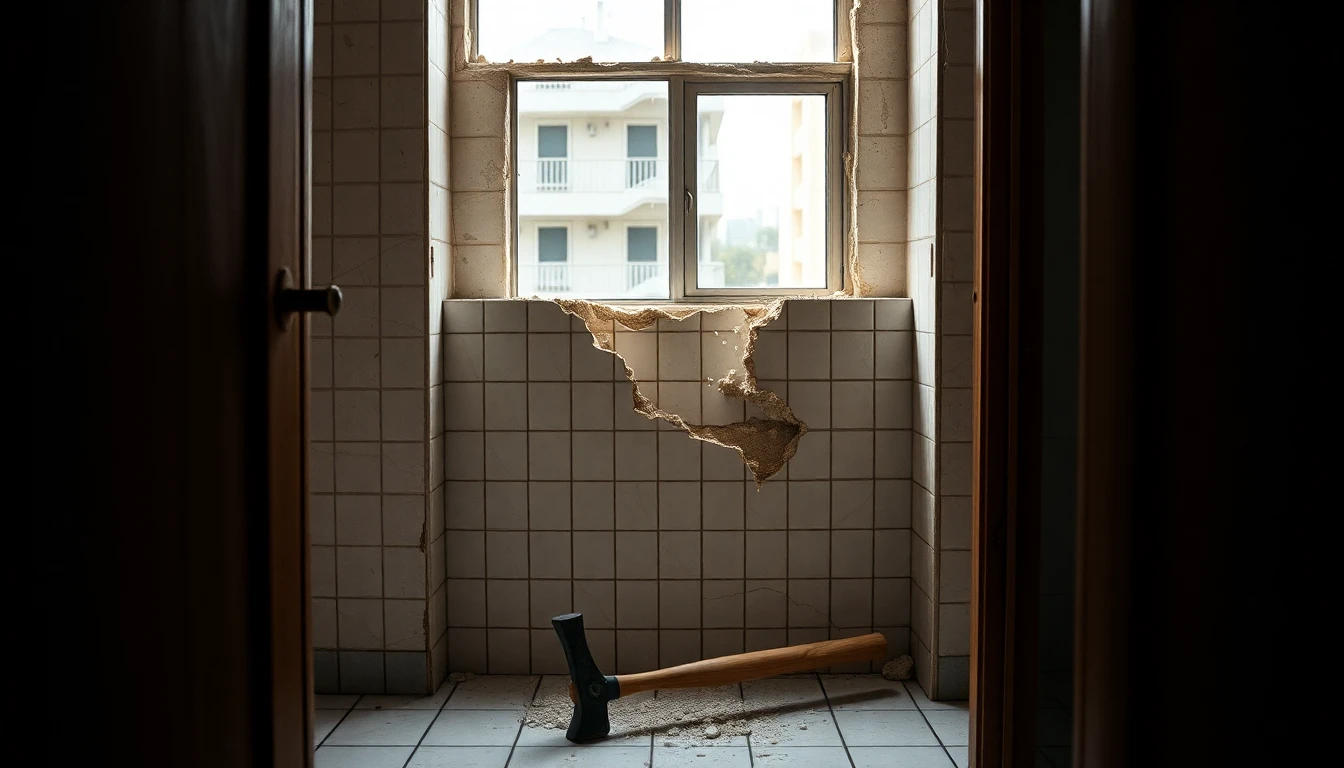
The practice of buying old properties, renovating them, and reselling them within a period of approximately six months, known as real estate flipping, continues to attract investors, but experts warn that profitability is no longer guaranteed as it once was.
Luciano Farez, a civil engineer and CEO of Felanix, explains that profit margins have shrunk, requiring much more rigorous planning. "The most common mistakes are making simplistic calculations, considering only the purchase price, renovation cost, and expected sale price, without including all the expenses involved," he said.
In addition to the acquisition and renovation value, it is essential to calculate costs such as legal fees, real estate commissions, professional fees, financial costs during the capital lock-up period, maintenance expenses during the work, and a reserve for unforeseen events. Hidden problems, such as faulty electrical or plumbing installations, structural issues, or dampness, often only appear after demolition begins, altering the initial budget.
Farez stresses that the success of the business depends on the ability to identify properties where intelligent intervention generates real value for the market, and not just on buying cheap to sell high. "The secret lies in understanding what the final buyer is looking for. A good renovation can greatly improve an apartment, but it will hardly compensate for a bad location," he explained.
The most attractive properties for this type of investment are those in good locations where relatively simple changes – such as redistributing rooms, integrating the kitchen, renovating bathrooms, and updating finishes – can significantly transform the perception of the property and justify a higher price in the market.